


(File Photo by Kevin Mathewson, Kenosha County Eye)
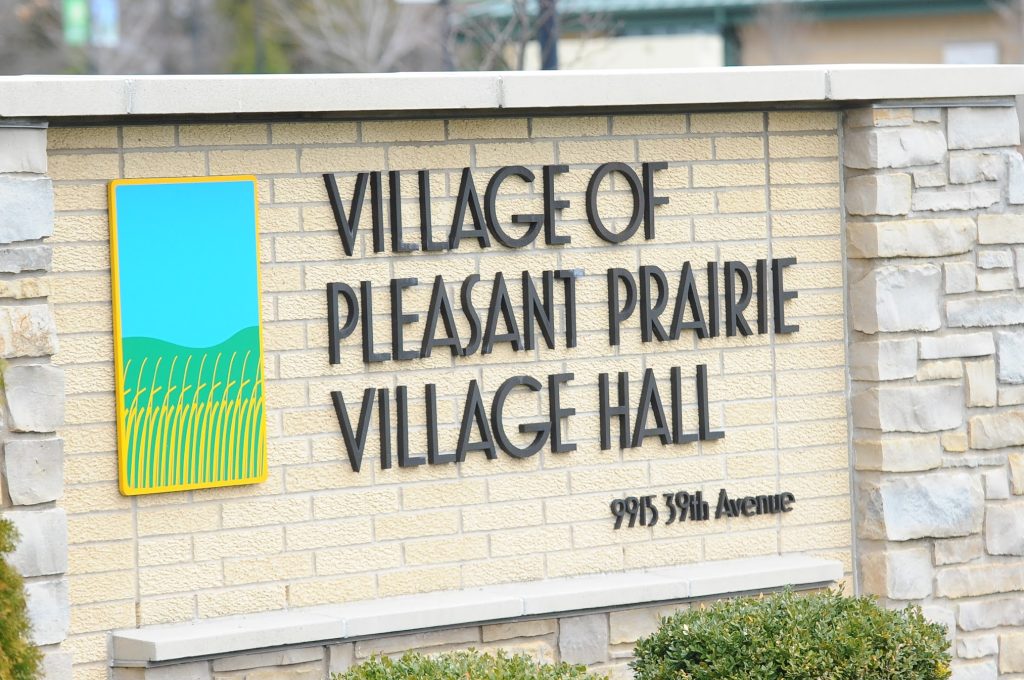
PLEASANT PRAIRIE, Wis. — The Pleasant Prairie Village Board approved its 2027 general government budgets Monday, November 23, increasing the village’s property tax levy by approximately $825,000, or 3.8%. The levy will rise to approximately $22.6 million, compared with $21.8 million in 2026.

The village estimates that its portion of the property tax bill for a median-valued home will increase by approximately $86, from $1,496 to $1,582. That estimate covers only village taxes, which account for approximately 29% of the total property tax bill, and actual bills will depend on individual assessments and taxes imposed by other taxing jurisdictions.

Public safety accounts for the largest share of operating expenses at approximately $16.2 million, or 59%. General government expenses total approximately $4.3 million, while public works expenses total about $3.9 million.

Wage expenses will increase by approximately $404,000, and benefit costs will rise by about $81,000. General government operating revenues are projected to increase by approximately $690,000.

Taxes account for approximately 64% of operating revenue, followed by intergovernmental aid at 15% and charges for services at 8%. Together, those sources provide approximately $22.6 million, or 87% of general government operating revenue.

The budget includes approximately $1.25 million in one-time spending items for departmental needs, funded through available reserves. Recurring budget adjustments produce a net reduction of approximately $88,000, and the projected year-end General Government Operating Fund reserve balance is approximately $11.75 million.

The board also approved approximately $13.5 million in capital spending. Major projects include $4.5 million for the first phase of 93rd Street reconstruction, $2.8 million for road paving and $2 million to expand the storage building at the Roger Prange Municipal Center.

Approximately $531,000 is budgeted for Police Department capital improvements. The approved budgets also cover debt service, tax incremental district funds, special revenue funds and reserve funds.
.
.
.
.
.
.