


(Photo by Kevin Mathewson, Kenosha County Eye)
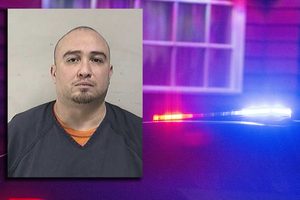
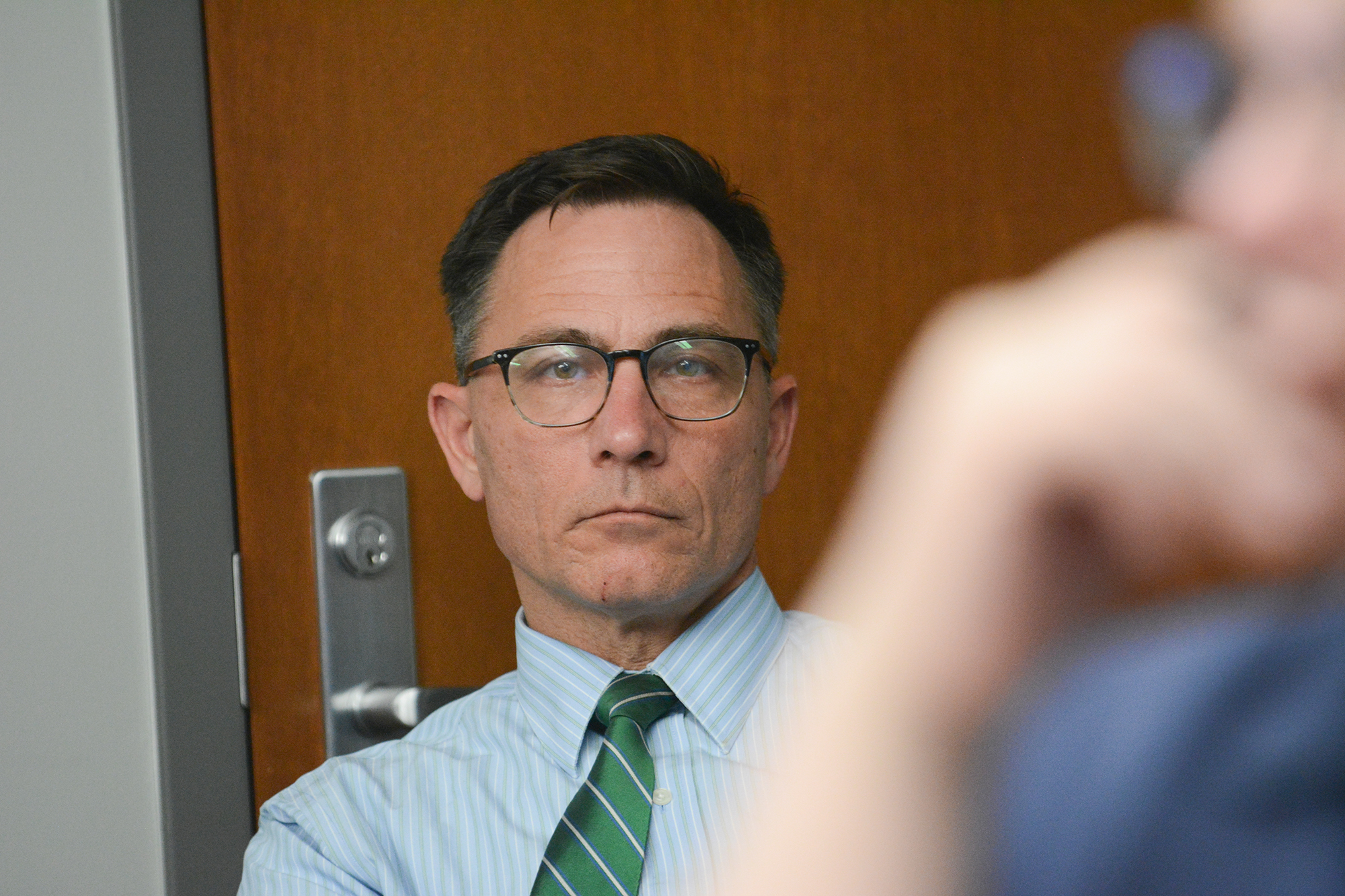
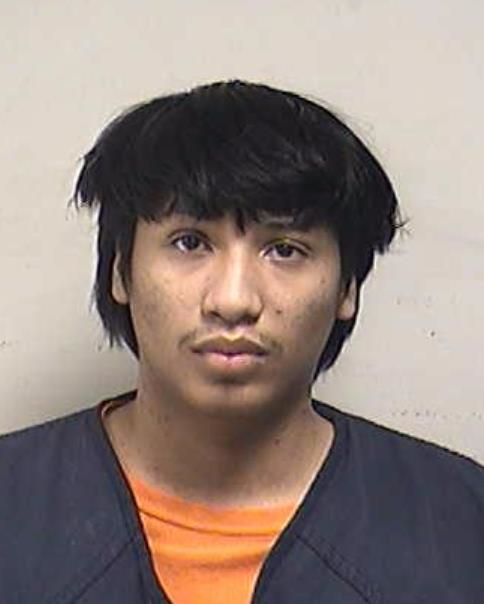
KENOSHA, Wis. — A 19-year-old young man named Brandon M. Valdez has now spent two consecutive Thanksgivings and two birthdays behind bars for crimes he allegedly committed when he was just 13 or 14 years old. Unless someone intervenes, Valdez will almost certainly spend his second consecutive Christmas and New Year’s Day inside the Kenosha County Jail. He has never been found guilty of the crimes he is accused of committing. His attorneys say he has been unlawfully incarcerated because of the actions of liberal activist Kenosha County Circuit Court Judge Chad Kerkman (D) and Assistant District Attorney Patricia “Tricia” Riley (D).
(Kenosha County Sheriff’s Office)
In the latest development, Valdez’s attorneys filed a 10-page petition for a writ of habeas corpus on Wednesday, November 25, 2026, demanding their client’s immediate release. The sworn filing details a series of legal errors and describes how Kerkman cut off a defense attorney’s microphone and walked off the bench after repeatedly being asked to identify the legal authority under which he was keeping Valdez incarcerated.
To those familiar with Kerkman’s courtroom, the description of the judge storming off the bench will come as little surprise. It is behavior that KCE has repeatedly observed, particularly when Kerkman’s decisions are challenged or his errors are pointed out. Kerkman has also had decisions overturned by higher courts on multiple occasions. He is up for reelection this coming April.
Regular readers of Kenosha County Eye are accustomed to reading about Kerkman and Riley, a duo that frequently appears to be on the same page when it comes to keeping children accused of serious crimes in Kenosha County’s juvenile court, where they often face almost no punishment whatsoever. In this case, however, the two went in the complete opposite direction. Riley allegedly provided false information about Valdez’s age to get him prosecuted as an adult, and Kerkman sent him to adult court despite Wisconsin law expressly prohibiting it.
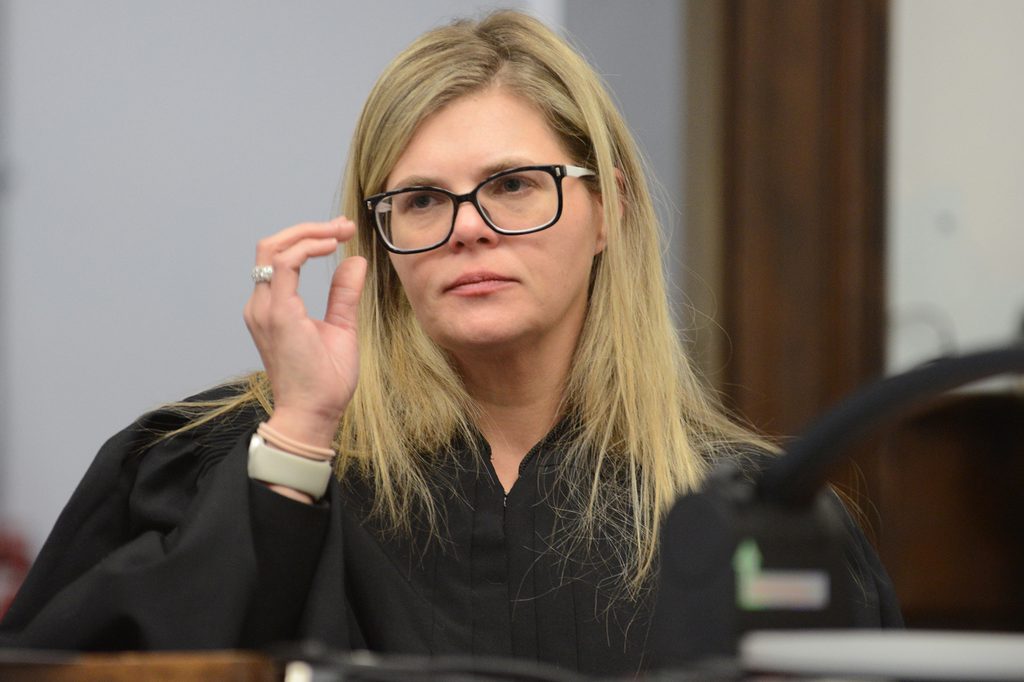
Kenosha County Circuit Court Judge Heather Iverson has since ruled that Kerkman’s decision was invalid under Wisconsin law. That should have marked the end of Valdez’s incarceration under the adult criminal case, but Kerkman wasn’t finished. Even after his original decision was invalidated, Kerkman ordered Valdez to remain behind bars, allegedly without hearing any evidence to justify his continued incarceration.
Valdez has now spent an estimated 490 days in jail. The attorneys’ latest filing paints a disturbing picture of a justice system that repeatedly failed a child, allowed him to become an adult behind bars and, even after its original mistake was exposed, allegedly continued to deprive him of his freedom.
What Was Valdez Accused Of Doing?
Valdez’s criminal case stems from a relationship he had with his then-girlfriend in 2021. The two were only several months apart in age, and the girl acknowledged that some of their sexual activity was consensual. According to the criminal complaint, the girl’s mother was aware of the consensual sexual activity between the two teenagers.
In May 2023, the girl reported that some of the sexual activity had not been consensual. She subsequently participated in an interview at the Kenosha County Child Advocacy Center, where she made additional allegations against Valdez.
A Wisconsin criminal defense attorney who reviewed the criminal complaint for Kenosha County Eye said the evidence described in the document did not appear particularly substantial and that prosecutors could face significant challenges proving the allegations beyond a reasonable doubt.
The allegations are serious, and Valdez is presumed innocent. Regardless of the strength of the evidence against him, however, Valdez was entitled to have his case handled in accordance with Wisconsin law.
Riley Allegedly Provided False Information About The Boy’s Age
(Photo by Kevin Mathewson, Kenosha County Eye)
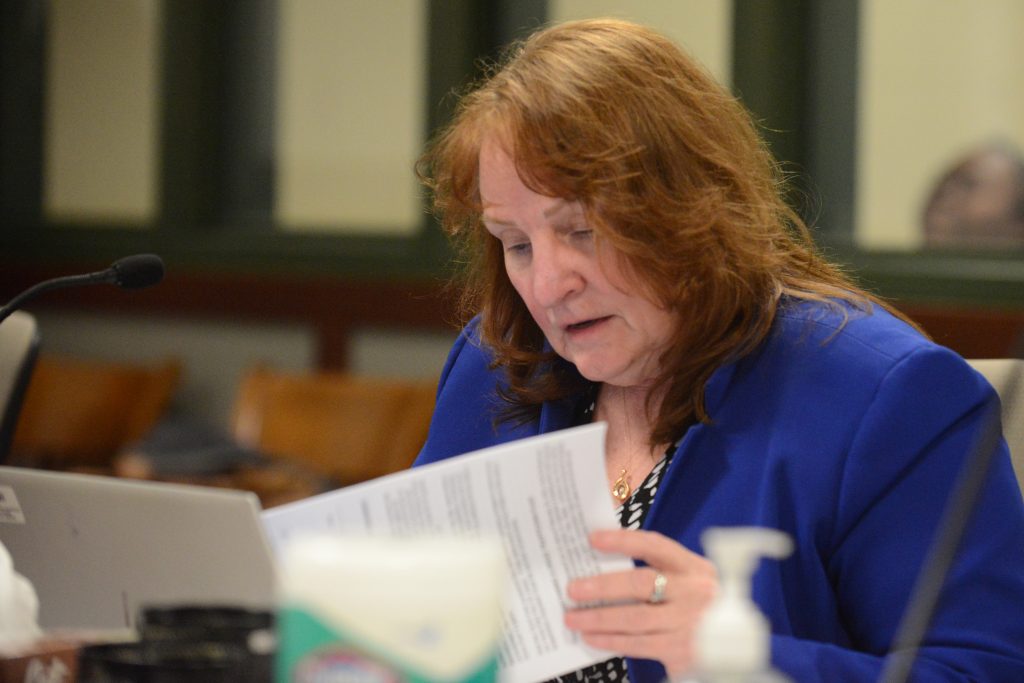
On March 28, 2024, during the administration of former Kenosha County District Attorney Michael Graveley (D), Riley signed a document charging Valdez in juvenile court with two serious sex crimes. That document correctly listed Valdez’s date of birth as November 13, 2007, and alleged that the crimes occurred in the fall of 2021.
On that very same day, according to Valdez’s current attorneys, Riley signed another document asking Kerkman to send Valdez’s case to adult criminal court. In that document, Riley represented that the alleged crimes occurred “on or after the juvenile’s 15th birthday.”
That was false. Valdez did not turn 15 until November 13, 2022, approximately a year after the alleged crimes. The two documents Riley reportedly signed on the same day contained information that directly contradicted each other.
(Photo by Kevin Mathewson, Kenosha County Eye)
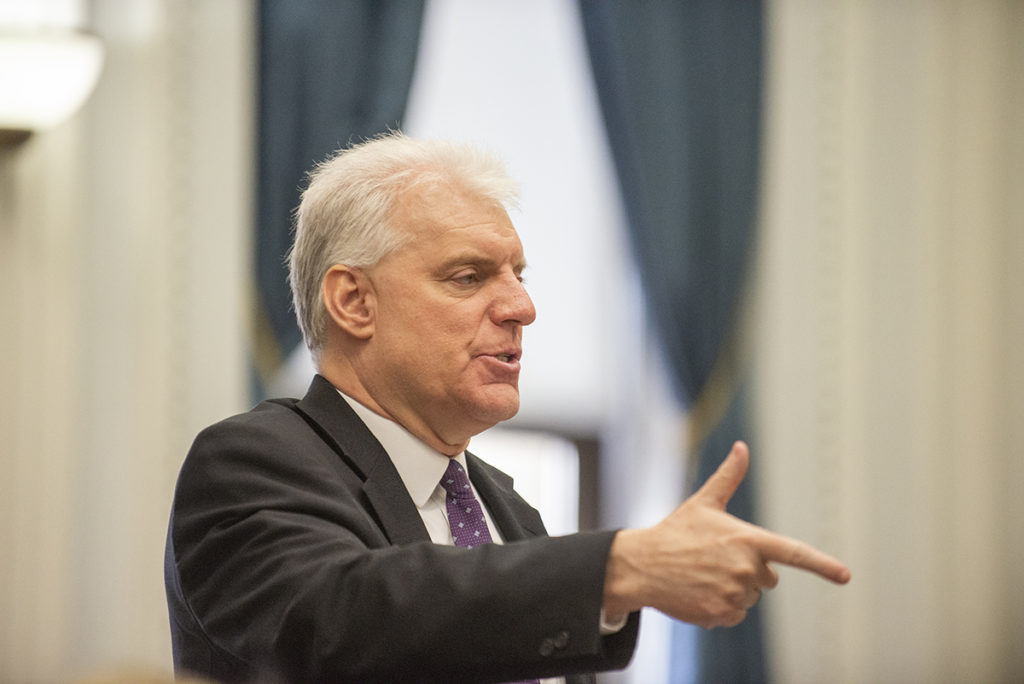
In Wisconsin, children accused of crimes are generally charged in juvenile court. Under certain circumstances, prosecutors can ask a judge to move a child’s case to adult criminal court, where the child can face lengthy prison sentences. This process is commonly referred to as a juvenile waiver.
For most crimes, Wisconsin law requires that a child be at least 15 years old when the alleged crime occurred before a judge can send the case to adult court. There are exceptions for children who are 14 years old and accused of certain specifically listed crimes, but those exceptions did not apply to Valdez’s case.
On June 12, 2024, Riley appeared before Kerkman and asked him to send Valdez to adult criminal court. According to Valdez’s current attorneys, Riley never corrected the false information about his age. Valdez’s then-attorney, Karen Lueschow, apparently did not notice that sending her client to adult criminal court was unlawful and failed to object on those grounds.
Kerkman’s decision raises two equally alarming possibilities for the public to consider: Either Kerkman knew the law and deliberately violated it to send a child to adult criminal court, or he was ignorant of the very law he was entrusted to enforce. Neither possibility should be acceptable to the people of Kenosha County.
Riley Uses Rolling Stones Lyrics And Mocks Defense Attorney In Official Court Filing
In a four-page court filing signed November 5, 2026, Riley used Rolling Stones lyrics and took several unnecessary and unprofessional shots at Valdez’s defense attorney, Andrew Martinez. The filing concerned a dispute over whether the defense was entitled to receive a copy of the alleged victim’s recorded interview at the Child Advocacy Center.
Riley argued that Martinez could view the recording at the police department or District Attorney’s Office or obtain a copy subject to a protective order. Rather than limiting her response to the legal merits of the dispute, however, Riley accused Martinez of bombarding her office with requests for answers and statutory authority, dismissively characterized his legal arguments as “musings” and accused him of resisting the law.
“It is his resistance to following the statutory law that has flummoxed him,” Riley wrote. She then concluded her legal argument by quoting the Rolling Stones song “You Can’t Always Get What You Want,” crediting Mick Jagger and Keith Richards.
The irony of Riley lecturing Martinez about following statutory law is extraordinary. Martinez was one of the two attorneys who had discovered that the juvenile waiver Riley had sought more than two years earlier was contrary to Wisconsin law. On the very day Riley’s response was filed, another judge invalidated the juvenile waiver and dismissed the adult criminal case.
While a young man sat behind bars approaching his 19th birthday, Riley apparently thought it appropriate to mock his attorney and incorporate rock song lyrics into an official court filing. The petty, offensive and unprofessional tone of Riley’s filing was particularly remarkable given the magnitude of the legal error that had occurred in the prosecution she initiated.
Another Prosecutor Charged Valdez With A Crime That Required Him To Be At Least 18 Years Old
(Photo by Kevin Mathewson, Kenosha County Eye)
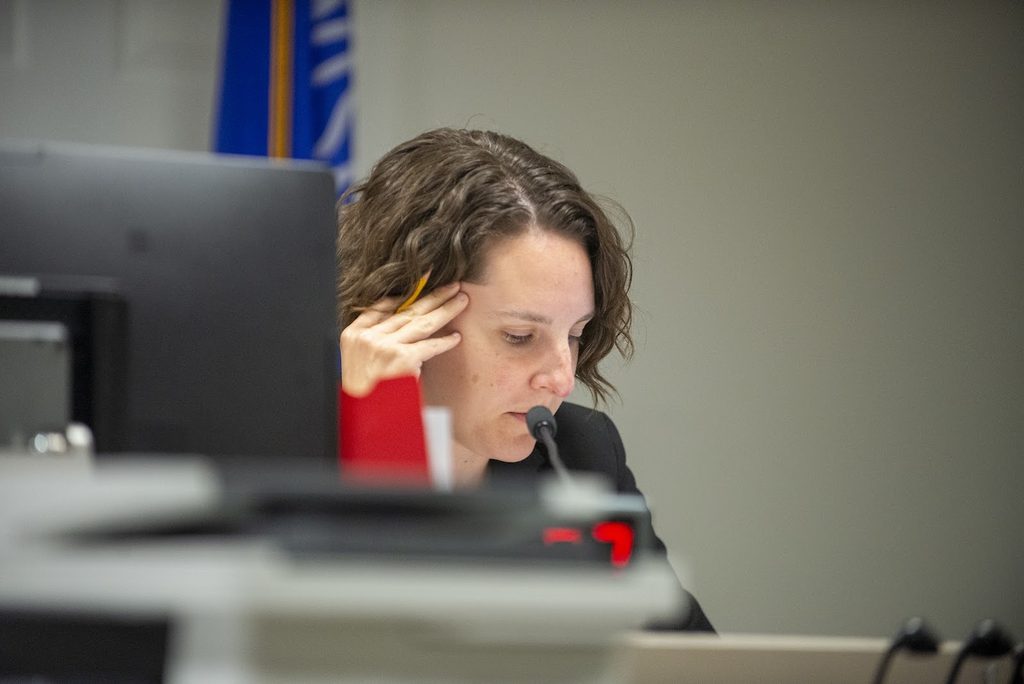
Just two days after Kerkman sent Valdez to adult court, another prosecutor working under Graveley’s administration compounded the problem. Then-Assistant District Attorney Alexandra Smathers (D), who now serves as a Kenosha County Family Court Commissioner, signed the adult criminal complaint against Valdez.
One of the crimes Smathers charged Valdez with specifically required him to have been at least 18 years old when the alleged crime occurred. Smathers also included sentencing provisions premised on Valdez having been at least 18 years old, including one calling for a minimum of 25 years of initial confinement in prison.
Valdez was not even 18 years old when Smathers signed the criminal complaint, let alone when the alleged crimes occurred nearly three years earlier. His correct date of birth was printed on the very first page of the criminal complaint Smathers signed under oath.
Between Riley, Lueschow, Kerkman and Smathers, multiple legal professionals had opportunities to recognize the unlawfulness of the prosecution. Nevertheless, the adult criminal prosecution moved forward, and a warrant was issued for Valdez’s arrest.
All of this occurred during the administration of Graveley, a Democrat who served as Kenosha County’s elected district attorney through the end of 2024.
Nearly Ten Months In Jail Waiting For An Attorney
Valdez was living with his mother in Texas when the adult criminal complaint was filed. On July 25, 2025, Valdez appeared before Kenosha County Court Commissioner William Michel, who imposed $75,000 cash bail.
Unable to post that amount of money, Valdez remained in jail. The prosecution moved to dismiss the charge that required Valdez to have been at least 18 years old, along with the age-related sentencing provision attached to the other charge, at his initial appearance. The underlying problem, however, remained: Valdez should never have been in adult criminal court in the first place.
Valdez qualified for an attorney through the Wisconsin State Public Defender’s Office, but because of a shortage of available attorneys, he would spend more than nine months waiting for his current attorneys to be appointed.
Court records show that Valdez appeared repeatedly for hearings while the court waited for the State Public Defender’s Office to find him an attorney. Valdez even filed his own requests asking the court to lower his bail. According to his current attorneys, those requests were summarily denied.
Valdez turned 18 in the Kenosha County Jail on November 13, 2025. Less than two weeks later, he spent Thanksgiving behind bars. Christmas came and went, followed by New Year’s Day, and Valdez remained in jail.
(Martinez & Ruby LLP Website)
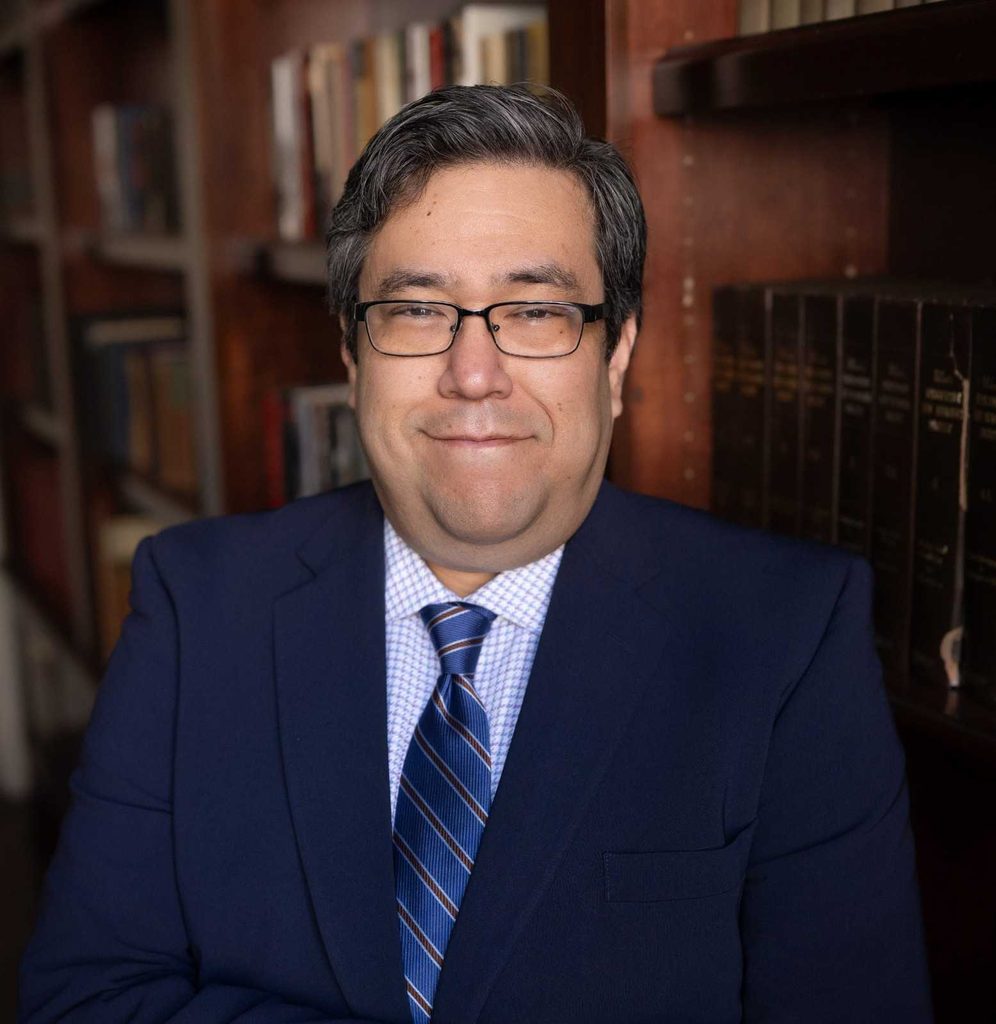
Finally, on May 4, 2026, after 283 days of incarceration, attorneys Andrew Martinez and Nathan Szpilfeigel of the Baraboo law firm Martinez & Ruby LLP were appointed to represent him. It was these two attorneys who eventually discovered that Valdez should never have been prosecuted in adult criminal court in the first place.
(Photo by Kevin Mathewson, Kenosha County Eye)
Judge Heather Iverson Rules Kerkman’s Decision Violated Wisconsin Law
In September, Valdez’s attorneys obtained permission to review the original juvenile court records. It was during their review that they discovered the alleged misrepresentation Riley had made about their client’s age when asking Kerkman to send him to adult court.
On October 28, 2026, the attorneys filed a motion asking Kenosha County Circuit Court Judge Heather Iverson to undo Kerkman’s decision and send the case back to juvenile court, where it belonged.
The attorneys also contacted Riley and other members of the Kenosha County District Attorney’s Office, seeking their agreement that the adult prosecution was improper. The administration of current District Attorney Xavier Solis ultimately agreed that the case needed to be returned to juvenile court.
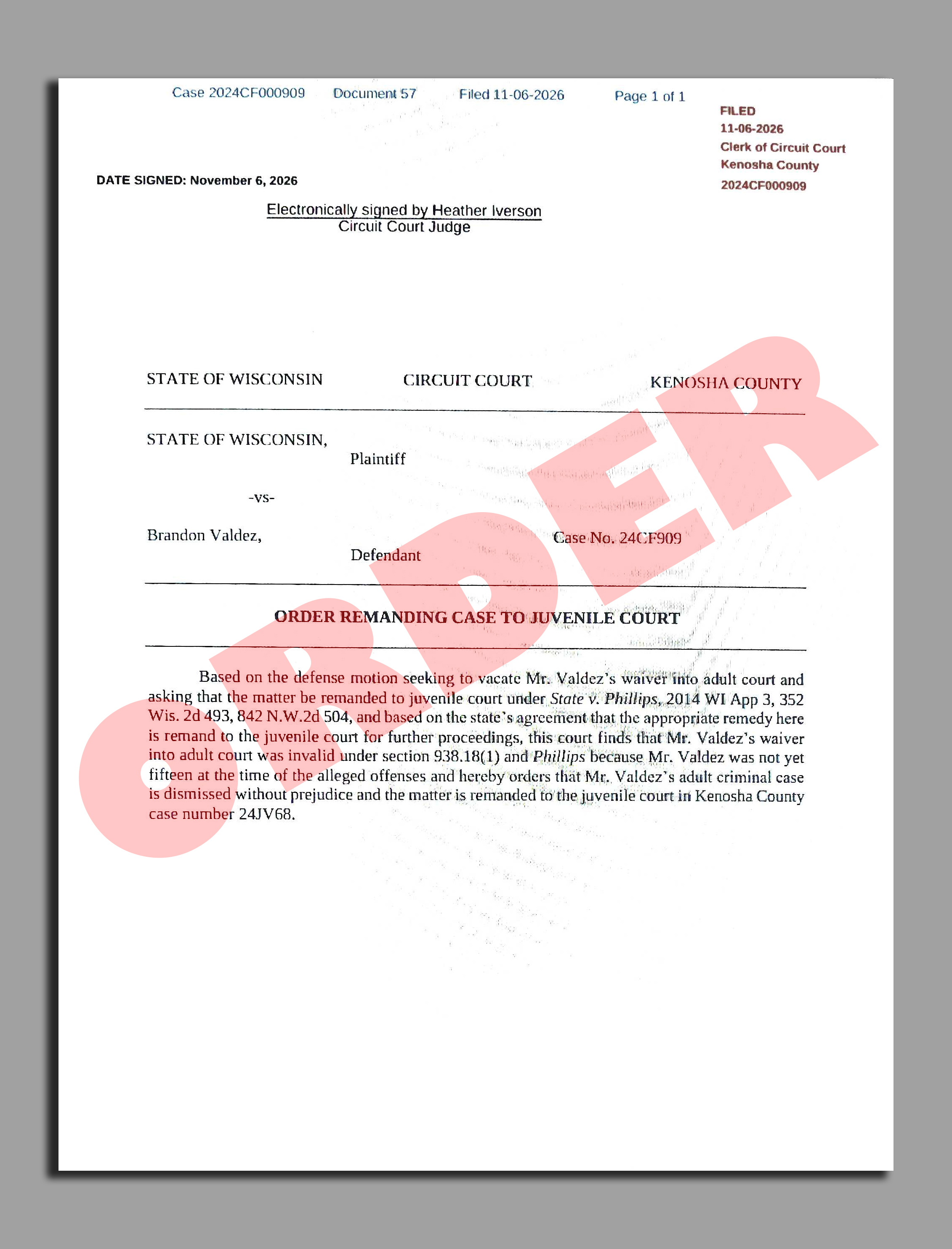
On November 6, 2026, Iverson signed an order expressly ruling that Kerkman’s decision to send Valdez to adult court was invalid under Wisconsin law. Iverson cited both Wisconsin Statute § 938.18(1) and a Wisconsin Court of Appeals decision, State v. Phillips, which was issued in 2014 — more than a decade before Kerkman made his decision.
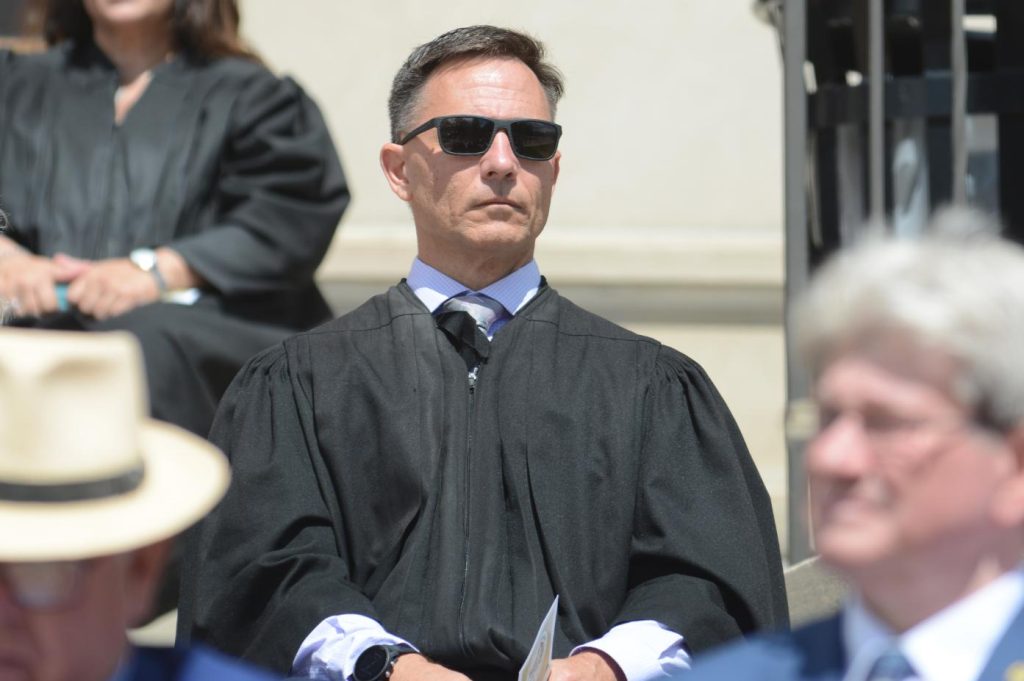
A Wisconsin attorney who spoke to Kenosha County Eye on the condition of anonymity said there are two troubling possibilities: Kerkman knew the law and violated it, or Kerkman did not know the law he was responsible for applying. The attorney said either possibility is equally alarming for a sitting circuit court judge, particularly someone who holds the honorary title of deputy chief judge.
There is a significant difference between a judge exercising discretion afforded to him under Wisconsin law and a judge doing something the law expressly prohibits. In Valdez’s case, Kerkman did not have the discretion to send him to adult criminal court.
It does not matter what prosecutors, judges, members of the public or even an alleged victim want. If Kerkman or Riley believes children of Valdez’s age should be prosecuted as adults for these types of crimes, they are free to petition the Wisconsin Legislature to change the law. They are not free to disregard the law as it currently exists.
After 469 Days In Jail, Valdez’s Attorneys Thought He Would Finally Be Released
When Iverson dismissed the adult criminal case and sent the matter back to juvenile court on November 6, Valdez had already spent 469 days incarcerated.
According to Valdez’s attorneys, Iverson made clear that Valdez was no longer subject to the $75,000 cash bail that had kept him behind bars. His attorneys believed there was no longer a lawful order keeping him in jail.
Unfortunately for Valdez, he was scheduled to appear before Kerkman later that same afternoon. His attorneys had been told that the hearing before Kerkman was simply a status hearing. They had not been told that Kerkman intended to decide whether their client would remain incarcerated.
According to the attorneys, Kerkman repeatedly insisted that he did not have jurisdiction over Valdez’s case. In simple terms, Kerkman was telling the attorneys he did not believe he had the legal authority to handle the case. Kerkman reportedly even suggested that prosecutors should charge Valdez in adult criminal court again, despite Iverson having just ruled that sending him there was unlawful.
According to the defense’s account, Riley agreed with Kerkman and signaled that she wanted to pursue another prosecution of Valdez in adult criminal court. Despite claiming that he did not have legal authority over the case, Kerkman ordered Valdez to remain incarcerated anyway.
(Photo by Kevin Mathewson, Kenosha County Eye)
Kerkman Allegedly Muted Attorney’s Microphone And Stormed Off The Bench
When Martinez repeatedly asked Kerkman what law allowed him to continue holding his client in jail, Kerkman, in his usual fashion, allegedly muted the attorney’s microphone and walked off the bench.
“Judge Kerkman repeatedly and pointedly ignored defense counsel’s inquiries,” the attorneys wrote. “Eventually, he stood up, cut off defense counsel’s microphone, and walked out of the courtroom.”
Martinez signed a sworn, notarized affidavit confirming that he personally witnessed the incident. His attorneys attempted to obtain an expedited transcript and an audio recording of the hearing but had not obtained either when they filed their petition Wednesday.
“A court cannot simultaneously deny that it has power over a person and exercise that power to jail him,” the attorneys wrote, pointing out the fundamental contradiction in Kerkman’s actions.
In other words, if Kerkman truly believed he had no legal authority over Valdez’s case, how could he possibly have the legal authority to keep him in jail?
Attorneys Accuse Kerkman Of Making Findings Without Hearing Any Evidence
Later that same afternoon, Kerkman signed another court order keeping Valdez incarcerated. According to Valdez’s attorneys, Kerkman checked numerous boxes on a court form, making factual findings about Valdez despite hearing no evidence to support them.
Among other things, Kerkman reportedly claimed that Valdez would injure another person or damage someone’s property, that he would run away, that he was a runaway from another county and that he presented a substantial risk of physically harming others inside a juvenile detention facility.
Kerkman also reportedly indicated that he was adopting a recommendation from a department or agency concerning where Valdez should be held. Valdez’s attorneys say they are unaware of any such recommendation.
According to the attorneys, not a single witness testified during the hearing, and no evidence was presented to support these findings. Furthermore, the attorneys had not even been informed beforehand that the hearing would determine whether their client would remain incarcerated.
The attorneys accuse Kerkman of violating Valdez’s constitutional right to due process. Before the government takes away someone’s freedom, that person is entitled to certain protections, including proper notice and a meaningful opportunity to challenge the government’s reasons for keeping him incarcerated.
“A hearing that is identified as such only after it ends is not a hearing in any sense the Constitution recognizes,” the attorneys wrote.
Wisconsin Law Requires A Review Every Three Days, Attorneys Say
There is yet another serious allegation against Kerkman. According to Valdez’s attorneys, Wisconsin law requires a judge to review a juvenile’s continued incarceration in an adult county jail every three days under the applicable detention provisions.
The attorneys say not a single such review had occurred since Kerkman signed the order on November 6. In fact, the next scheduled hearing before Kerkman was not until December 8 — more than an entire month after Kerkman ordered Valdez to remain in jail.
Valdez’s attorneys argue that every additional day their client spends incarcerated under these circumstances is another day he is being deprived of his freedom without lawful authority.
The attorneys have formally asked Kerkman to remove himself from Valdez’s juvenile case. They argue that asking the same judge who allegedly refused to explain his legal authority to incarcerate their client to reconsider his decision would not provide an adequate remedy.
Attorneys File Petition For Writ Of Habeas Corpus Demanding Immediate Release
On Wednesday, November 25, 2026, Martinez and Szpilfeigel filed their 10-page petition for a writ of habeas corpus in Kenosha County Circuit Court, alleging that Valdez’s continued incarceration violates both the United States Constitution and the Wisconsin Constitution.
Kenosha County Sheriff David Zoerner is named as the respondent because, as sheriff, he is the legal custodian of Valdez. The attorneys are not accusing Zoerner of making the decisions that led to Valdez’s incarceration.

(Photo by Kevin Mathewson, Kenosha County Eye)
Instead, they are asking the court to order the sheriff to bring Valdez before a judge, establish what legal authority allows him to continue holding Valdez, declare Kerkman’s November 6 custody order unlawful and order Valdez’s immediate release.
The attorneys argue that pursuing a conventional appeal could take too long and that every additional day Valdez spends unlawfully incarcerated represents harm that cannot be undone. They are asking for judicial intervention at the earliest possible opportunity.
(Photo by Kevin Mathewson, Kenosha County Eye)
Case Assigned To Kerkman’s Close Friend, Judge Jason Rossell
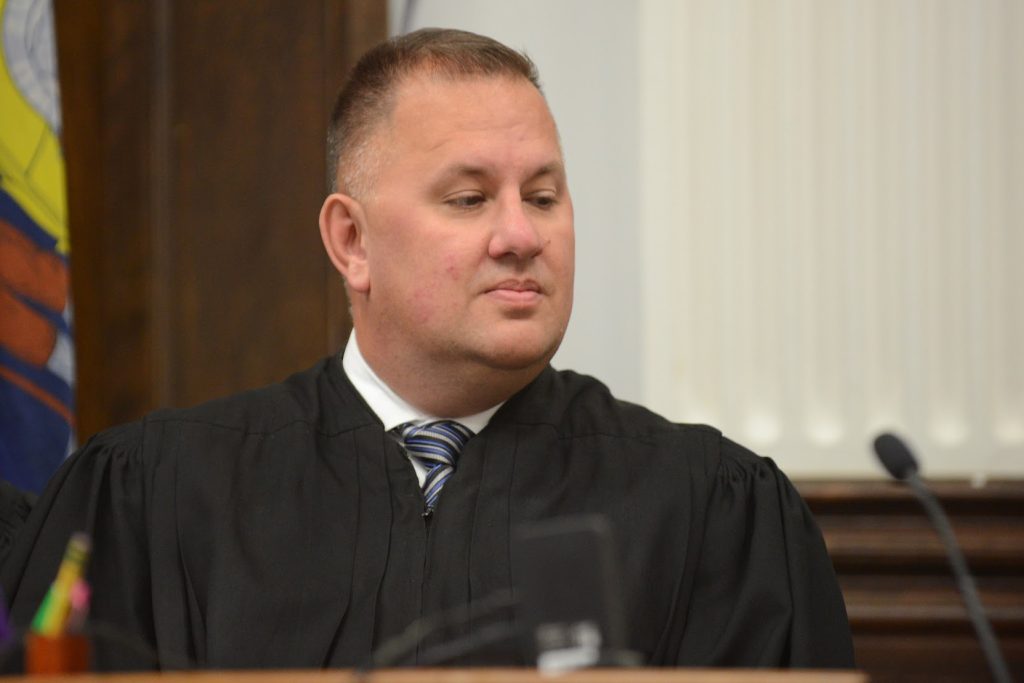
The petition for a writ of habeas corpus has been assigned to Kenosha County Circuit Court Judge Jason Rossell (D), a close friend of Kerkman. KCE has little confidence that Rossell will challenge Kerkman’s actions.
Rossell routinely treats Kerkman as though he is his boss because Kerkman was given the honorary title of deputy chief judge. That administrative title, however, gives Kerkman no authority over how Rossell decides individual court cases. Rossell has an independent obligation to follow Wisconsin law and protect Valdez’s constitutional rights, regardless of his friendship with Kerkman.
Unless meaningful judicial intervention occurs soon, KCE believes Valdez will almost certainly spend his second consecutive Christmas and New Year’s Day behind bars. He has already lost nearly 500 days of his freedom despite another judge having ruled that he should never have been sent to adult criminal court in the first place.
Abraham Lincoln’s Words Are Written Across Kerkman’s Own Courtroom Walls
Perhaps one of the most remarkable portions of the attorneys’ filing is how they chose to begin it. Martinez and Szpilfeigel opened their petition with a quotation from an 1838 speech delivered by Abraham Lincoln:
“Let every American, every lover of liberty, every well-wisher to his posterity, swear by the blood of the Revolution, never to violate in the least particular, the laws of the country; and never to tolerate their violation by others.”
According to the attorneys, those very words are displayed in foot-tall letters across the four walls of Kerkman’s own courtroom.
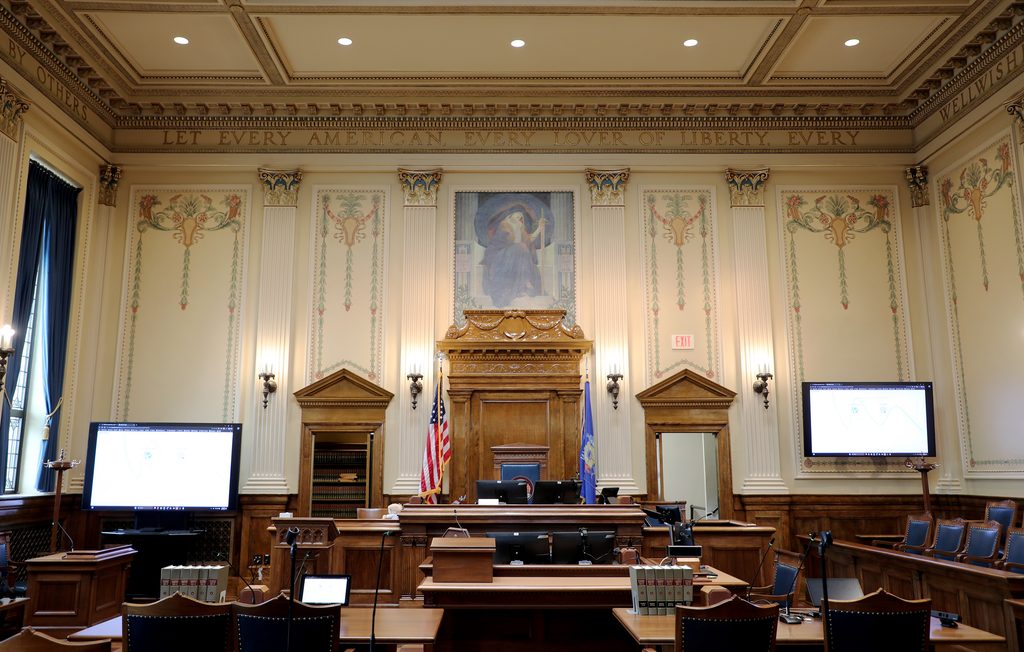
“The disparity between the ideals these words express and the injustice carried out in that courtroom on November 6, 2026, is staggering and must be remedied,” the attorneys wrote.
Nearly 500 Days Of A Young Man’s Life Gone
Valdez turned 19 on November 13, just one week after Iverson ruled that Kerkman should never have sent his case to adult criminal court. Once again, he spent his birthday inside the Kenosha County Jail.
On Thursday, while families across Kenosha County gathered around their dinner tables to celebrate Thanksgiving, Valdez was apparently spending his second consecutive Thanksgiving behind bars. In less than a month, families will gather again to celebrate Christmas, followed a week later by New Year’s Day. Unless a judge intervenes, Valdez will almost certainly spend both holidays behind bars for the second consecutive year.
Riley allegedly provided false information about his age. Smathers signed a criminal complaint charging him with a crime that required him to have been at least 18 years old when he was just 13 or 14. His original defense attorney, Karen Lueschow, failed to object to the unlawful waiver. Kerkman signed an order that another judge has expressly ruled was invalid under Wisconsin law. All of those decisions occurred during Graveley’s administration.
Nearly ten months passed before Valdez was appointed attorneys who would eventually discover what had happened to him. Even after those attorneys successfully convinced another judge that Valdez should never have been sent to adult criminal court, Kerkman ordered him to remain behind bars.
Based on the timeline established in the sworn court filings, Valdez has now spent an estimated 490 days incarcerated without ever being found guilty of the alleged crimes. His attorneys contend that his continued incarceration is unlawful, an allegation that Rossell has yet to decide.
Whatever becomes of the criminal allegations against Valdez, no court can give him back the hundreds of days he has already spent behind bars. No judge can give him back his 18th birthday, his 19th birthday or the holidays he has lost.
As his attorneys wrote in their petition, “Time in jail cannot be given back. A remedy that arrives after the harm is complete is not an adequate remedy.”
A Rare Glimpse Behind Kerkman’s Locked Courtroom Doors
This case represents one of the very few occasions on which Kenosha County Eye has been afforded a detailed glimpse into what happens behind the closed and locked doors of Kerkman’s juvenile courtroom. Because juvenile court proceedings are generally closed to the public and the media, much of what occurs inside that courtroom never comes to the attention of Kenosha County Eye or the taxpayers who elected Kerkman.
In this case, however, we have it in black and white. The attorneys’ allegations are detailed in sworn court filings, and the unlawfulness of Kerkman’s original waiver decision is established in a written court order signed by another sitting judge.
One can only imagine how many other potential miscarriages of justice have gone unnoticed behind those locked courtroom doors, where neither the public nor the media is ordinarily present to scrutinize Kerkman’s decisions.
Kenosha County Eye editor Kevin Mathewson believes that the lack of public and media scrutiny is precisely why Kerkman likes presiding over juvenile court. When Kerkman makes mistakes behind locked courtroom doors, journalists ordinarily have no opportunity to expose them, and the people who elected him have little opportunity to hold him accountable.