




KENOSHA, Wis. — Imagine hiding in a closet while an armed intruder searches your home. Or sitting in a bedroom while an abusive partner is only a few feet away. In those terrifying moments, speaking on the phone could put your life in even greater danger. What many Kenosha County residents may not realize is that they have another option: they can send a text message directly to 911.

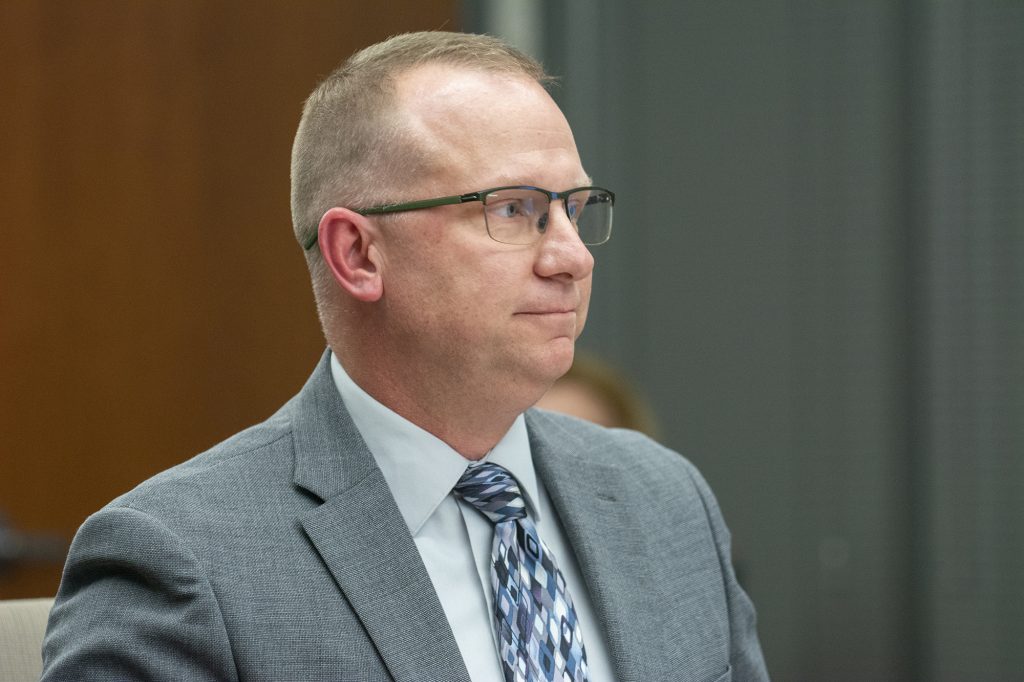
(File Photo by Kevin Mathewson, Kenosha County Eye)
The potentially life-saving service has been available throughout Kenosha County since 2019, yet many residents remain unaware it exists. In fact, this reporter—a former 911 dispatcher from 2005 to 2010—only recently learned about the capability, since it was introduced years after leaving emergency communications. After mentioning it to friends and acquaintances, it quickly became clear that many others had never heard of Text-to-911 either. That’s why Kenosha County Eye is highlighting the service in hopes of raising awareness about a tool that could one day save a life.

Behind every Text-to-911 message is the same team of highly trained emergency dispatchers who answer voice 911 calls around the clock. Under the leadership of Kenosha Joint Services Director Joshua Nielsen, dispatchers continue to emphasize one simple message: “Call if you can, text if you can’t.” Voice calls remain the fastest and most efficient way to get help, but when speaking isn’t possible, Text-to-911 provides another critical lifeline.

According to Nielsen, Text-to-911 is intended primarily for three situations: when someone is deaf, hard of hearing or has a speech disability; when it is unsafe to place a voice call because of an emergency such as a domestic violence situation or home invasion; or during a medical emergency that leaves someone physically unable to speak.

The service works similarly to a traditional 911 call. A text message is first routed through a text control center, which determines the appropriate public safety answering point before forwarding it to the local dispatch center. The text control center never communicates with the person requesting help; the first human interaction is with a Kenosha Joint Services dispatcher.

Although voice calls remain the preferred method of contacting 911, Nielsen said Text-to-911 has proven valuable in several real emergencies. In one recent incident, someone inside a home discreetly texted 911 to report that a wanted person was inside the residence. Law enforcement responded and took the individual into custody without incident. Dispatchers have also received Text-to-911 messages from suicidal people seeking help and from someone suffering a medical emergency who had lost the ability to speak.

There are, however, important limitations. Text-to-911 currently supports only text messages—it cannot receive photos or videos directly from the public. If dispatchers determine visual information would help, they can use a separate system called “Prepared by Axon” to request photos or live video from the caller, but only after the caller agrees. Text messages also travel through cellular carrier networks on a best-effort basis and are not prioritized the way voice 911 calls are. Because typing takes longer than talking, emergency calls handled by text generally take more time to process.

Nielsen also clarified one common question: unlike voice 911 calls, Text-to-911 requires an active cellular subscription. A deactivated cell phone that can still place an emergency voice call cannot be relied upon to send a text to 911 because cellular providers are not required to forward emergency text messages from inactive devices.

People who use Text-to-911 should include their location—including the address and municipality, if possible—and a brief description of the emergency. Dispatchers can often receive location information, but it is subject to the same limitations as traditional wireless 911 calls and is not always precise.
Joint Services also urges the public not to use Text-to-911 for non-emergencies or simply to test the system. Prank messages can be investigated, and unnecessary texts may delay help for someone facing a genuine emergency.
For Nielsen and the dispatchers at Kenosha Joint Services, the message is straightforward: Call if you can. Text if you can’t. It’s a simple concept that many people still don’t know exists—but one that could make all the difference when every second counts.
.
.
.
.
.
.
.








3 Responses
Thanks for the information Kevin. It’s good to know.
wouldn’t this information be one you should share and not charge to see?
Free article