


KENOSHA, Wis. — They are the unsung heroes of our community. They care for our parents, grandparents, aunts, uncles, and people living with disabilities. They often work long hours, providing essential care, companionship, and comfort to some of Kenosha County’s most vulnerable residents. Recently, those caregivers were the guests of honor at a special luncheon recognizing their contributions to the community.

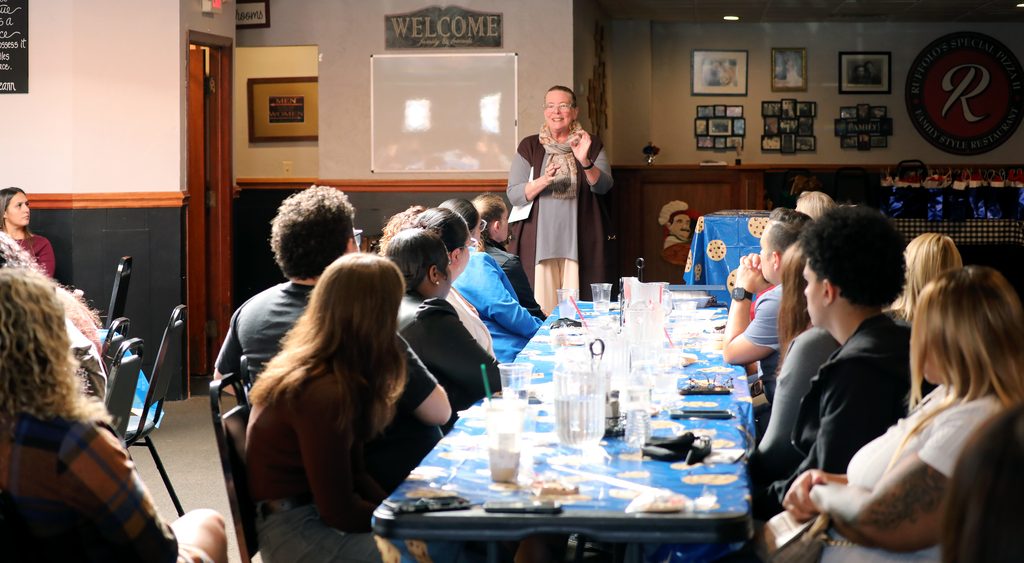
The Kenosha Long-Term Care Workforce Alliance hosted its annual Caregiver Recognition Luncheon at Ruffolo’s Special Pizza 2, bringing together employees from nursing homes, assisted living facilities, home care agencies, hospice organizations, and other long-term care providers. The event provided an opportunity to thank those whose work often goes unnoticed, despite the tremendous impact they have on the lives of others.

Recognizing Those Who Care For Others
Kenosha County Executive Samantha Kerkman attended the luncheon and presented an official proclamation declaring September 29 as Long-Term Caregiver Day in Kenosha County. The proclamation recognized the important role caregivers play in supporting older adults, people with disabilities, and families who depend on long-term care services.
“I know that as caregivers, you are the most important parts of our community,” Kerkman said, according to information provided by a Kenosha County spokesperson.

The recognition extended beyond a ceremonial proclamation. Individual caregivers were also honored for their dedication, including certified nursing assistants from Kenosha County’s Brookside Care Center, a county-operated long-term care facility.

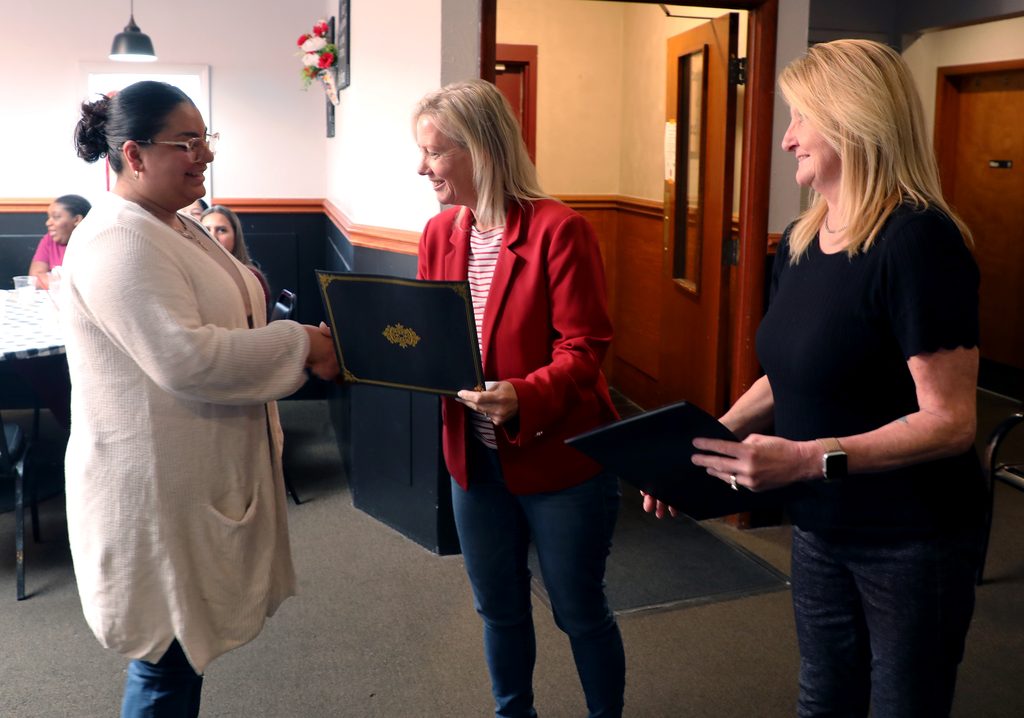
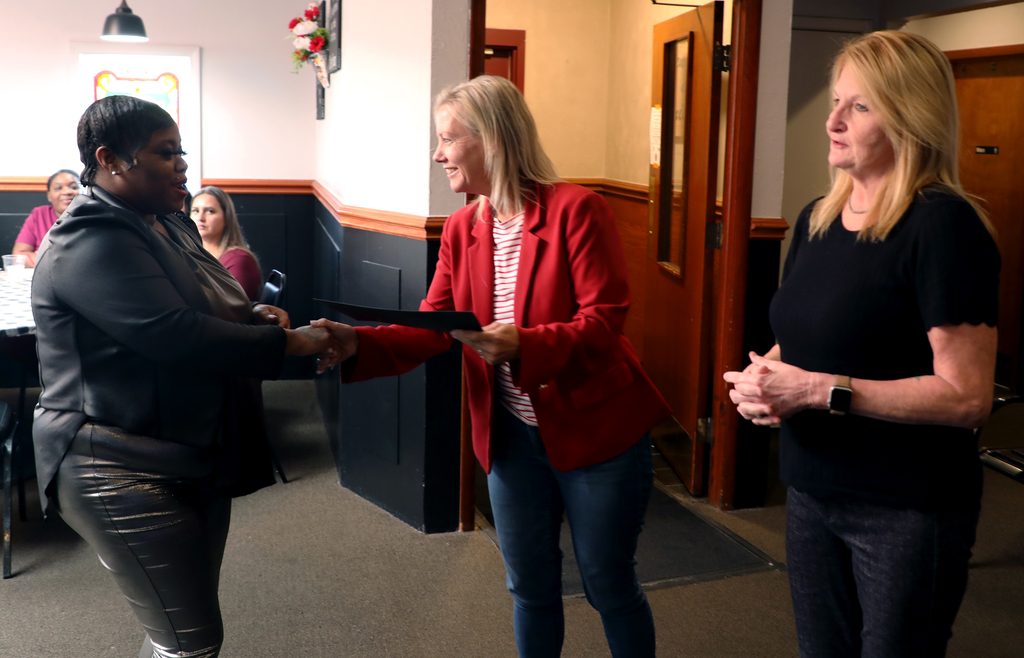
Among those recognized was Fatima Zuniga, a certified nursing assistant at Brookside Care Center. Zuniga received a recognition certificate from Kerkman, with Brookside Director of Nursing Rachael McFarlane participating in the presentation.

Another Brookside employee, certified nursing assistant Antoinette Garden, was also recognized during the event. Both women represent a workforce that provides hands-on care to residents who depend on assistance with everyday activities, personal needs, and maintaining their quality of life.

Keynote Speaker Challenges How Society Views Aging
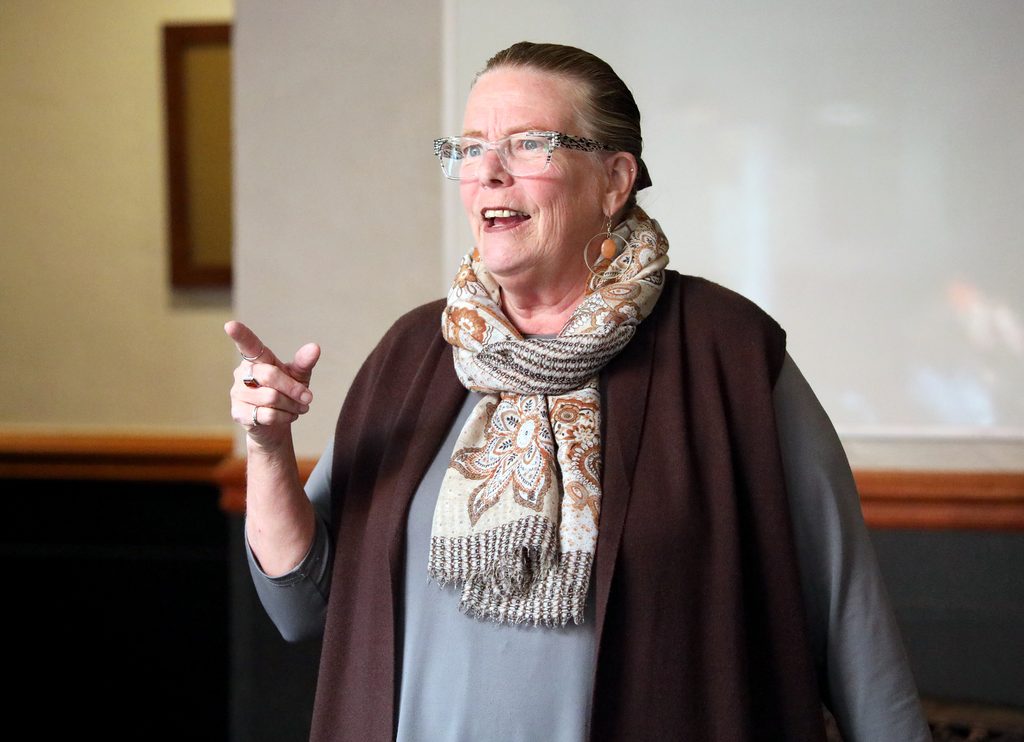
The luncheon also featured a keynote address from Helen Sampson, a public policy strategist with the Bureau of Aging and Disability Resources at the Wisconsin Department of Health Services.

Sampson encouraged caregivers to examine how society talks about aging and warned that seemingly harmless words can reinforce negative stereotypes about older adults. She specifically addressed ageism, which she described as one of the most socially acceptable forms of discrimination in the United States and around the world.
According to Sampson, ageism can negatively affect the very people caregivers are trying to help. She explained that viewing aging primarily through the lens of decline, disability, and dependency fails to recognize the full experiences and capabilities of older adults.
Sampson urged those in attendance to reconsider commonly used terms such as “elderly” and “senior,” suggesting that “older adults” is a more respectful and accurate description.
” ‘Elderly’ creates the image of someone who’s declining, disabled, deteriorating, and close to death,” Sampson said. “Use the term ‘older adults.'”
Why Words Matter
Sampson also challenged the phrase “silver tsunami,” a term sometimes used to describe the growing population of older Americans as the Baby Boomer generation ages.
She acknowledged that she once used the expression herself before a colleague pointed out the troubling comparison it makes.
“I like alliteration and imagery, so I walked around saying ‘silver tsunami’ for about a decade. And a colleague of mine said, ‘Helen, you know, you’re comparing an entire cohort of humanity to a natural disaster.’ And I was like, ‘Oh, yeah, I’ve got to stop that, right?’ So, what you say, how we speak, really matters.”
Her message emphasized that caregivers can help change attitudes about aging not only through the services they provide but also through the language they use when interacting with residents, patients, and families.
The presentation encouraged attendees to recognize older adults as individuals with unique experiences, abilities, and contributions rather than defining them solely by their age or need for assistance.
A Community-Wide Effort
The luncheon brought together representatives of several organizations involved in providing long-term care throughout Kenosha County. Among those participating were leaders from Robin Way Senior Living, Hospice Alliance, and Brookside Care Center.
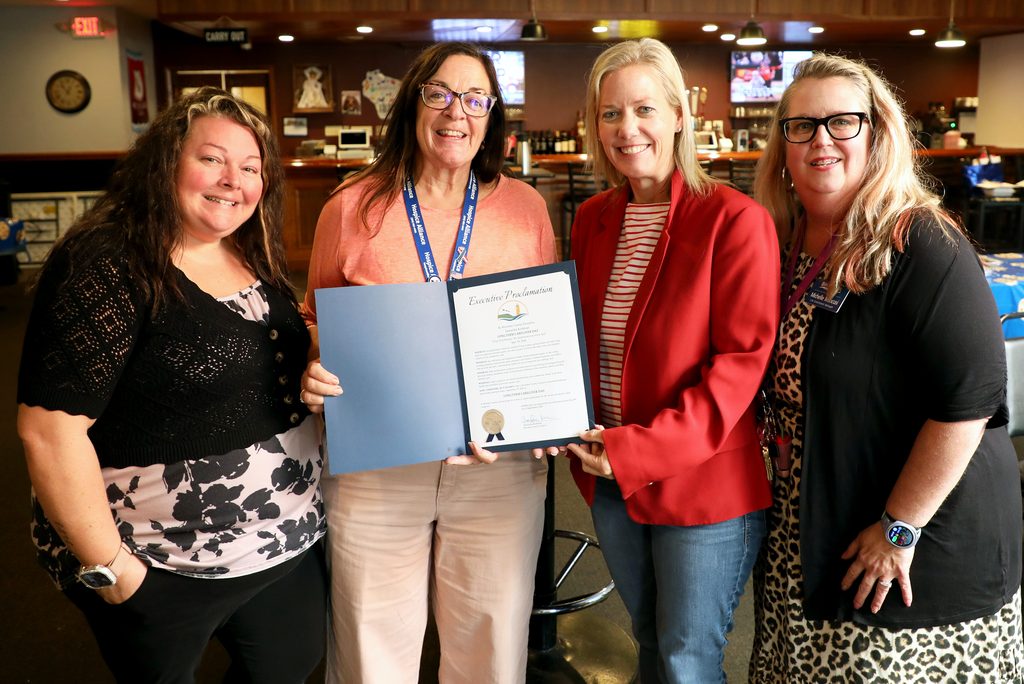
The Kenosha Long-Term Care Workforce Alliance’s annual recognition event serves as a reminder that caring for older adults and people with disabilities requires a dedicated workforce across numerous professions and organizations. From certified nursing assistants providing direct care to hospice professionals supporting patients and their families, these workers play an essential role in the community.
For the caregivers who attended, the luncheon offered an opportunity to be recognized, connect with colleagues, and hear a message about the importance of respecting the people they serve.
While their work may not always receive public attention, the impact of long-term caregivers is felt every day by Kenosha County residents and the families who rely on them.