



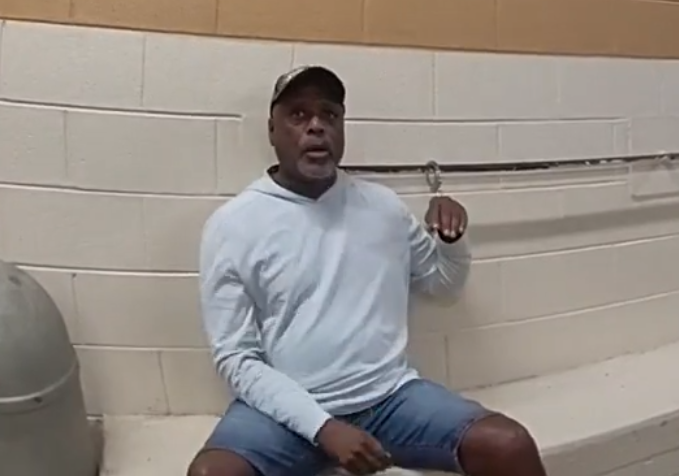
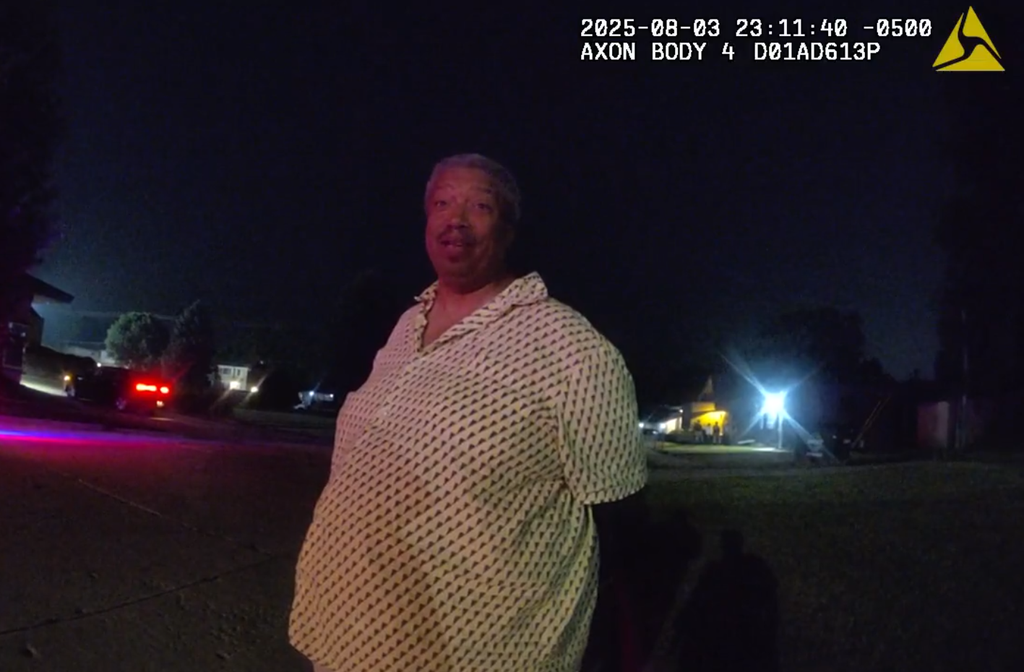
(Kenosha Police Department body-camera footage)
KENOSHA, Wis. — The son of a prominent Kenosha family, Timothy Todd Mahone (D), 63, was arrested for the second time on suspicion of operating while intoxicated after Kenosha Police stopped him on August 3, 2025, for allegedly driving the wrong way on Washington Road without illuminated taillights. Newly obtained police body-camera footage captures Mahone repeatedly discussing his community standing, including the mayor’s office, his charitable foundation and the school named after his parents. The footage also shows Kenosha Alderman Anthony Kennedy arriving at the scene and attempting to arrange for Mahone’s vehicle to be moved. Despite the arrest and Mahone’s previous OWI conviction, the Kenosha City Attorney’s Office later moved to dismiss the case, and Kenosha County Circuit Court Judge Angelina Gabriele (D) granted the dismissal on January 27, 2026.

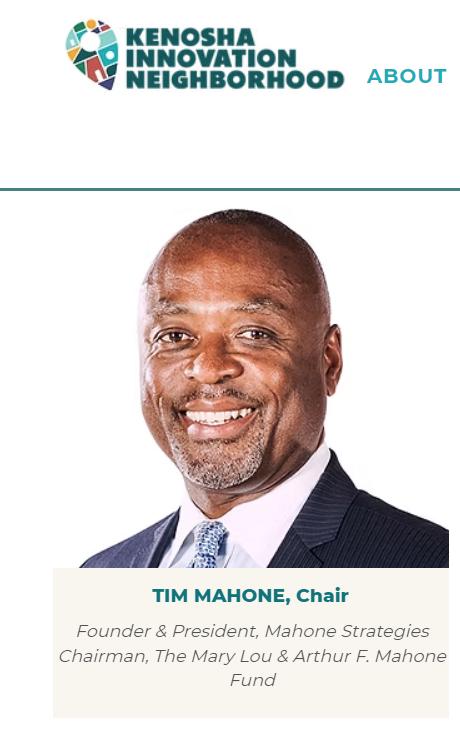
Mahone is the founder and president of Mahone Strategies and chairman of the Mary Lou and Arthur F. Mahone Fund. His previous OWI conviction was entered in Milwaukee County in 2015, making the August 2025 incident his second arrest on suspicion of OWI, but not a criminal second-offense OWI charge under Wisconsin’s 10-year lookback provision.

According to the body-camera footage, Officer Price initially stopped Mahone after observing his vehicle traveling eastbound in the westbound lanes of Washington Road. Price also reported that Mahone’s taillights were not illuminated, although other vehicle lights were operating. Mahone seemed to drive a for a long period before he pulled over. The officer has to activate his sirens at least twice. Mahone told the officer he lived nearby and was only a short distance from his home.
Almost immediately, Mahone began discussing his charitable activities. When Price asked where he was coming from, Mahone explained that he had been dropping off signs and tickets for a waterfront fundraising event associated with the Mahone Foundation.

Mahone then told Price that Mahone Middle School was named after his mother and father. He explained that the foundation provides scholarships for students attending college and that he had been delivering tickets to a sponsor of an upcoming event. Price responded positively, telling Mahone that the foundation’s work sounded worthwhile.

The discussion of Mahone’s charitable activities occurred before officers began field sobriety testing. Price later repeated the information to another officer, explaining that Mahone had been delivering tickets for a scholarship foundation.

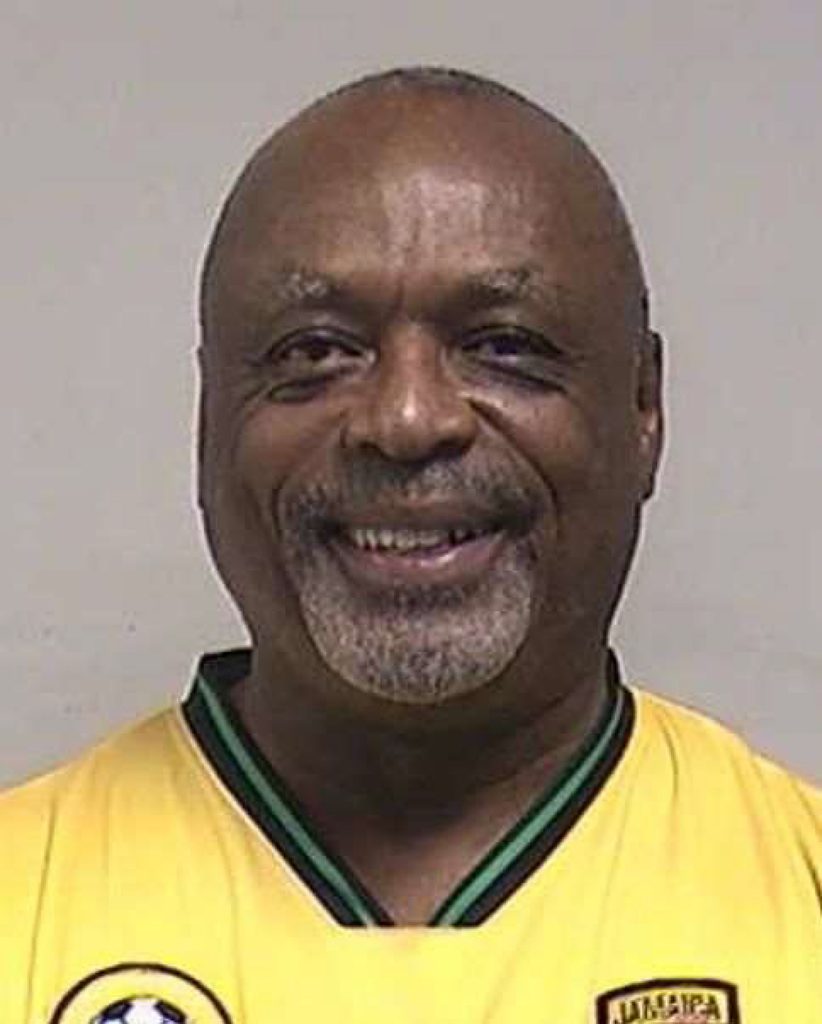
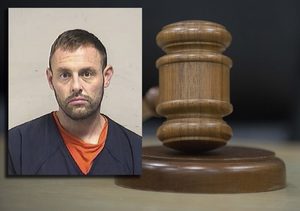
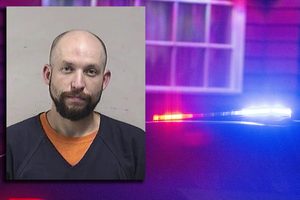
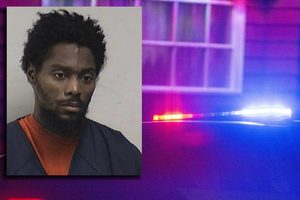
Timothy Todd Mahone following his August 2025 arrest
(Kenosha County Sheriff’s Office)

Price told Mahone he detected the odor of intoxicants and asked whether he had been drinking. Mahone initially described consuming two drinks, with the conversation focusing on Modelo beer, before later acknowledging additional alcohol consumption of multiple shots during the investigation.

After Mahone exited the vehicle, Price conducted standardized field sobriety tests on the sidewalk. During the investigation, Price brought up Mahone’s previous OWI and noted that the earlier incident had occurred approximately 11 years before.
That conversation produced one of the more unusual exchanges captured on the recording. Price asked Mahone whether his previous OWI arrest had occurred on a highway, and Mahone responded that he had been coming from the mayor’s office.
“I [had] come from the mayor’s office,” Mahone said, during the encounter. After Price acknowledged the statement, Mahone repeated that he had been coming from the mayor’s office.
The repeated reference came while Price was questioning Mahone about the circumstances of his earlier OWI. The recording does not establish whether Mahone was simply describing where he had been before the previous arrest or emphasizing his familiarity with city government, but the reference stands out alongside his repeated discussion of his community activities.
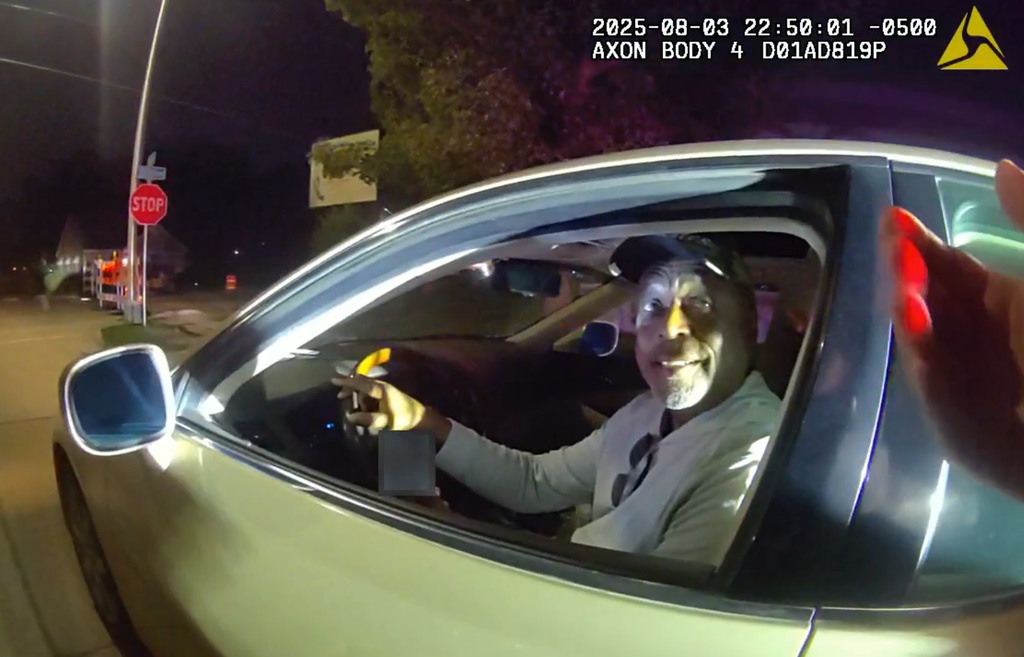
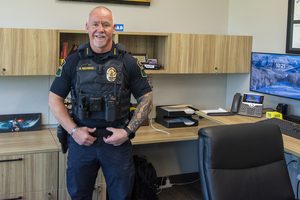
(Kenosha Police Department body-camera footage)
As the investigation continued, Price questioned Mahone’s initial account of his alcohol consumption. “I like you, man, so I want you to be honest with me,” Price told him, adding that he believed Mahone had consumed more than two drinks.
Mahone acknowledged additional drinks or shots during the exchange and also suggested that medication he used for congestion might have affected his performance. Price discussed the medication with Mahone and attempted to locate it in his vehicle before concluding that he had observed sufficient evidence to make an OWI arrest.
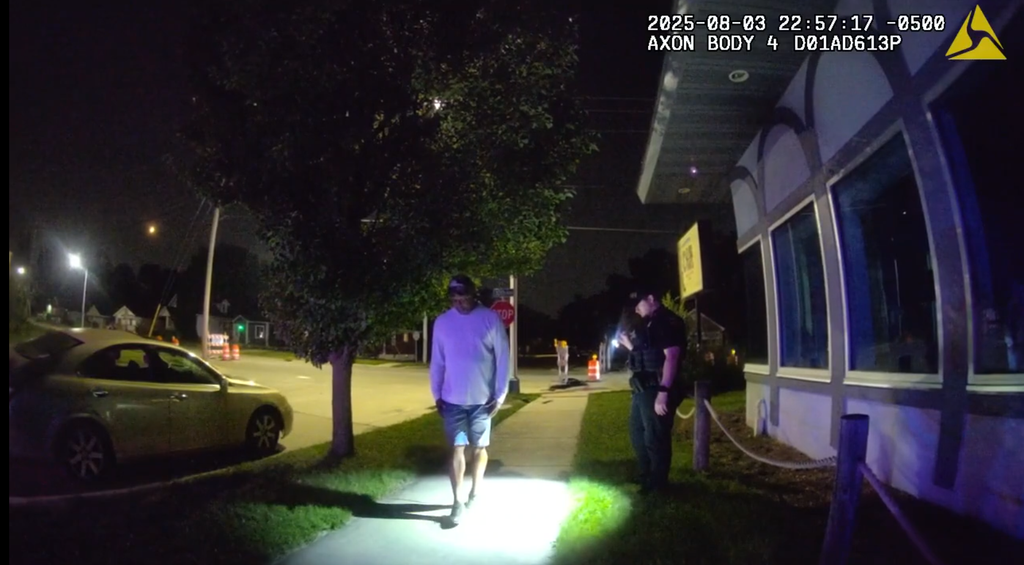
(Kenosha Police Department body-camera footage)
When Price informed Mahone that he was under arrest, Mahone again emphasized how close he was to home and referred to his community work. Price acknowledged those circumstances but told him they did not change the decision.
“I appreciate what you do,” Price said. “Unfortunately, I don’t have a say whether you’re right outside your driveway or four miles away.”
The officer explained that because Mahone’s previous OWI was more than 10 years earlier, the new citation would be treated as a municipal first offense rather than a criminal second offense. That distinction did not erase the earlier conviction or make the August 2025 incident Mahone’s first encounter with an OWI arrest.
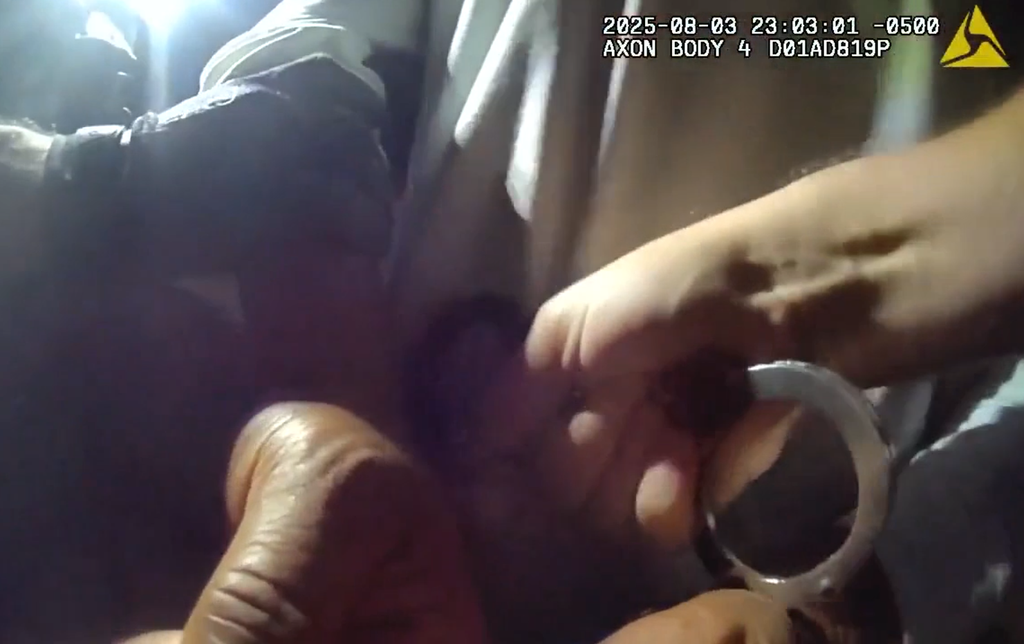
(Kenosha Police Department body-camera footage)
Despite arresting Mahone, Price repeatedly expressed sympathy for his circumstances. During the search incident to arrest, Price thanked Mahone for cooperating and made a remark about the possibility that the arrest might not attract public attention.
“Hopefully this one flies under the radar for you,” Price told Mahone. When Mahone questioned the remark, Price repeated that he was hoping the incident would escape notice.
Later, while helping Mahone into the squad car, Price discussed whether police would publicize the arrest. “We don’t report that,” he said, explaining that he could not control whether someone independently discovered the public record.
The remarks are noteworthy because Mahone was a recognizable community figure who had already discussed his charitable activities and connections during the stop. The footage does not establish that Price withheld any required report or altered the arrest process, but it documents an officer openly discussing the prospect of the incident avoiding public attention.
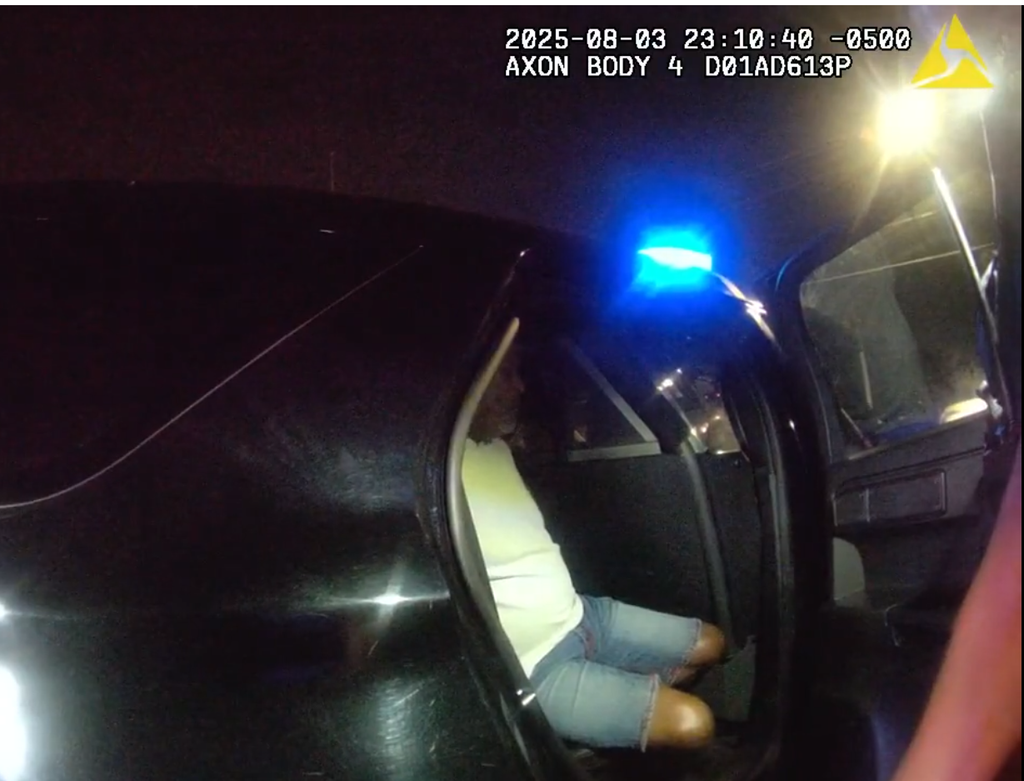
(Kenosha Police Department body-camera footage)
The incident took another turn when Kenosha Alderman Anthony Kennedy arrived at the scene. Kennedy, a longtime elected official and friend of Mahone, approached officers while Mahone was in custody. Officer Colon initially told Kennedy not to approach the traffic stop.
Kennedy identified himself by name, and Officer Colon asked whether he was a friend of Mahone’s. Kennedy confirmed that he was a good friend and sought to have Mahone’s vehicle moved from its location.
Colon told Kennedy that the officers would not release Mahone’s vehicle or keys to another person. Kennedy continued discussing moving the vehicle, apparently wanting it taken to a nearby relative’s residence, but Colon explained that Officer Price had already decided the car would remain legally parked and secured at the scene.
Colon also declined to disclose the circumstances of Mahone’s arrest to Kennedy. “It’s personal so I can’t talk about it,” Colon said, explaining that Mahone was an adult and that the officers could not discuss his situation with another person.
Kennedy appeared dissatisfied with the refusal to move the vehicle, but the officers maintained their decision. Colon told him Mahone would be permitted to make a telephone call and suggested Kennedy watch for that call.
Kennedy’s appearance is particularly noteworthy in light of another recent incident involving a friend facing legal trouble. In October 2026, Kennedy sent correspondence to Kenosha County Circuit Court Judge Jason Rossell concerning former Kenosha County Board Supervisor Andrew “Andy” Berg, who was facing drug-related criminal prosecutions.
In that correspondence, Kennedy identified himself as Kenosha’s 10th District alderman and described Berg as a longtime friend, colleague and community advocate. He asked the court to consider Berg’s history of public service and potential for rehabilitation, even though the newer prosecution had not reached sentencing.
As KCE reported October 28, Kennedy’s correspondence was sent directly to Rossell and copied to the clerk of courts rather than being submitted as an ordinary character letter at sentencing. Rossell responded with instructions about properly submitting future correspondence and thanked Kennedy for his public service. Both incidents, however, document Kennedy becoming personally involved when friends encountered legal trouble.
Mahone was subsequently taken to the police facility for evidentiary breath testing. The body-camera footage documents difficulties with the initial testing process, including an instrument warning that prompted officers to begin another observation period.
According to Wisconsin Circuit Court Access, the City of Kenosha filed the OWI citation on September 18, 2025, under case number 2025TR006082. Mahone retained attorney Frank Parise, entered a written not-guilty plea and requested a jury trial.
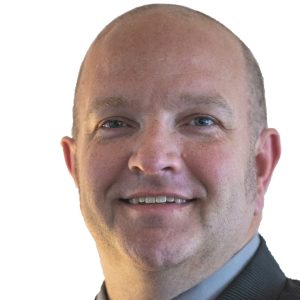
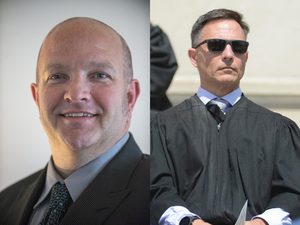
On January 27, 2026, Mahone did not personally appear in court, but Parise appeared on his behalf. City Attorney Nicholas VandeCaste appeared for the prosecution before Judge Angelina Gabriele.
During that hearing, the Kenosha City Attorney’s Office moved to dismiss the OWI citation. Gabriele granted the motion, ending the prosecution without a conviction.
However, the dismissal has raised questions about whether the required legal procedures were followed. An attorney who discussed the case with Kenosha County Eye said Wisconsin law establishes specific requirements governing the dismissal of OWI cases and questioned whether Gabriele had the legal authority to approve the dismissal under those requirements.
Wisconsin Statute § 967.055(2) establishes procedures governing motions to dismiss or amend OWI-related charges. The statute requires prosecutors to state their reasons on the record and requires the court to determine that the proposed action is consistent with the public’s interest in deterring impaired driving.
The attorney told KCE that, in his opinion, the dismissal may not have complied with Wisconsin law. The publicly available court minutes document the city’s motion and Gabriele’s approval, but do not establish whether all required statutory findings were made during the hearing. This author was in court and it was a quick dismissal with almost no discussion.
The dismissal means Mahone was arrested for a second time on suspicion of OWI but was not convicted in connection with the August 2025 incident. His earlier Milwaukee County OWI conviction, entered in 2015, remains separate from the dismissed Kenosha case.
The body-camera footage also captures Price discussing his previous experience working in politics and the distinction between voluntarily disclosing an incident and denying it when questioned. At one point, Price said he understood how politics worked, an unusual discussion during an OWI investigation involving a well-known local businessman.
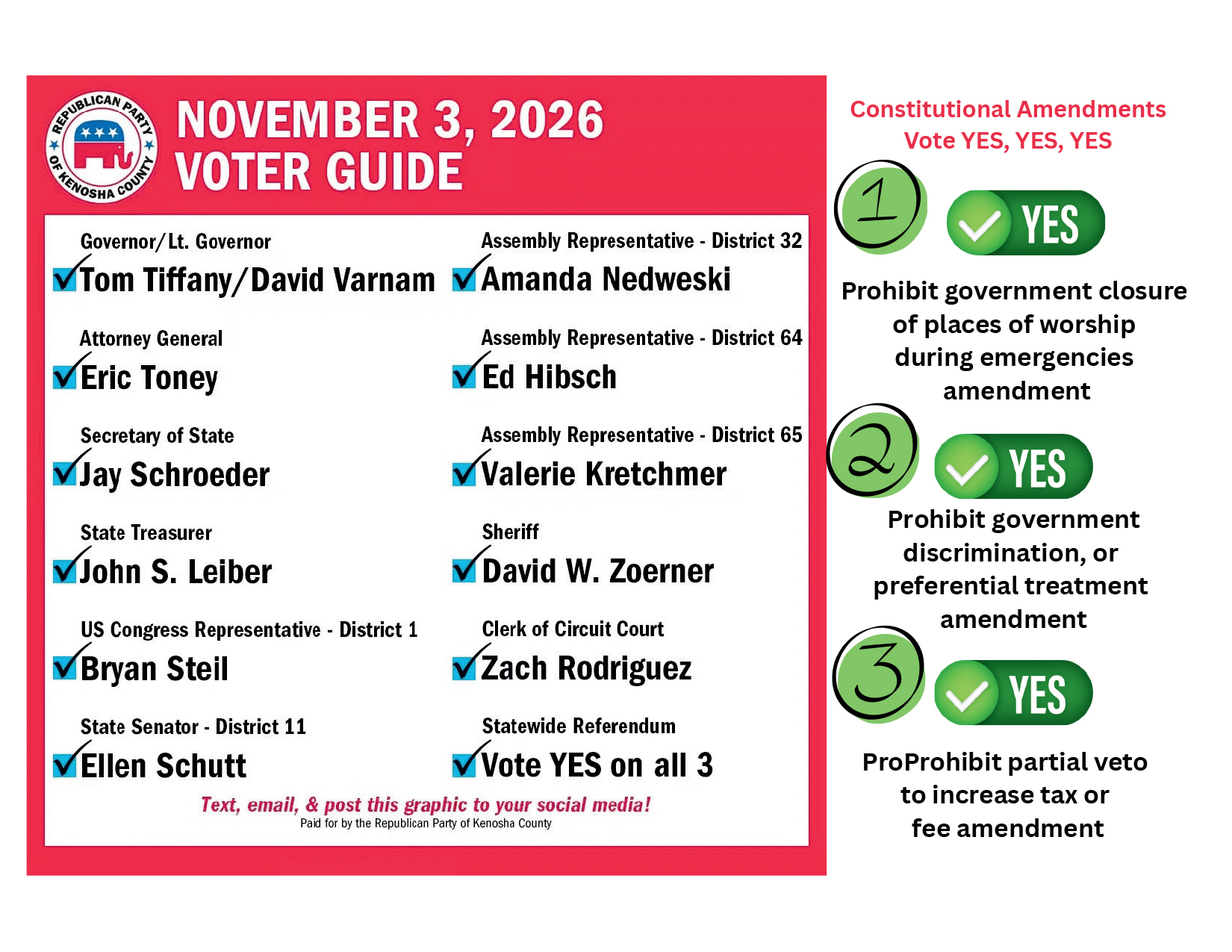
Taken together, the recordings provide a detailed account of an arrest involving a prominent civic figure, repeated references to community standing, an alderman’s arrival at the scene and officers’ discussion of whether the incident would attract public attention. The case ultimately ended when the Kenosha City Attorney’s Office requested dismissal and Judge Gabriele granted it, leaving questions about whether the statutory requirements for dismissing an OWI prosecution were satisfied.


One Response
Reminds me of the time Ardys Mahone (allegedly) threw her newborn into Lake Michigan……what ever happened with that?