


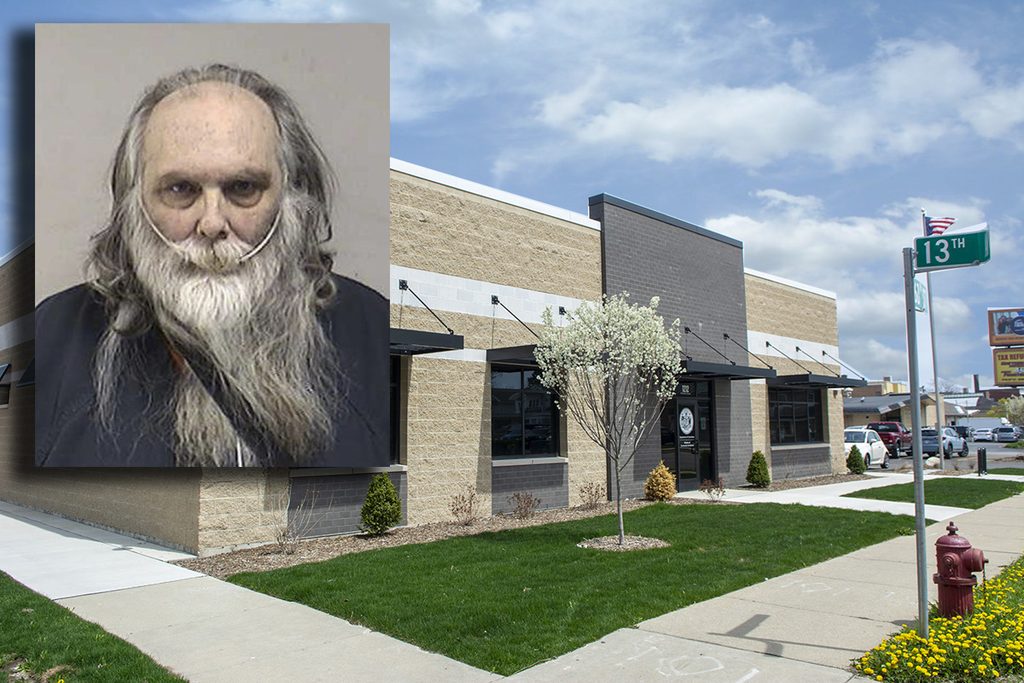
Wisconsin DOC Probation and Parole Office in Kenosha (1212 60th St) April 28, 2023 (Photo by Kevin Mathewson, Kenosha County Eye)
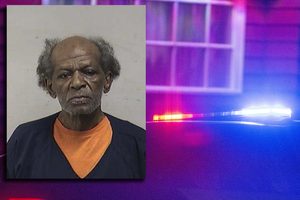
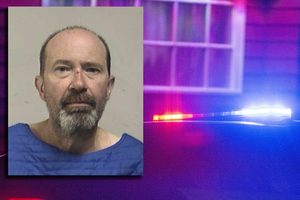
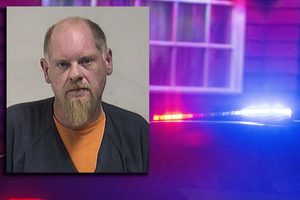
KENOSHA, Wis. — Edward Bryan Tabor, 60, of Kenosha, has two first-degree sexual assault convictions, including one for first-degree sexual assault of a child. On three documented occasions since 2020, the Wisconsin Department of Corrections has requested his arrest for supervision violations, only for his jail stay to end with the hold canceled.

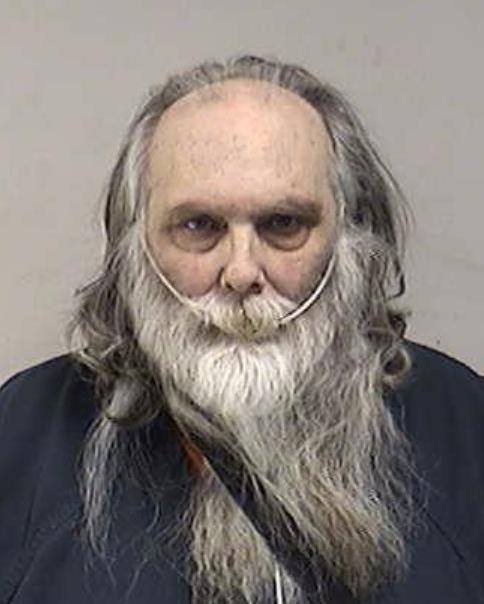
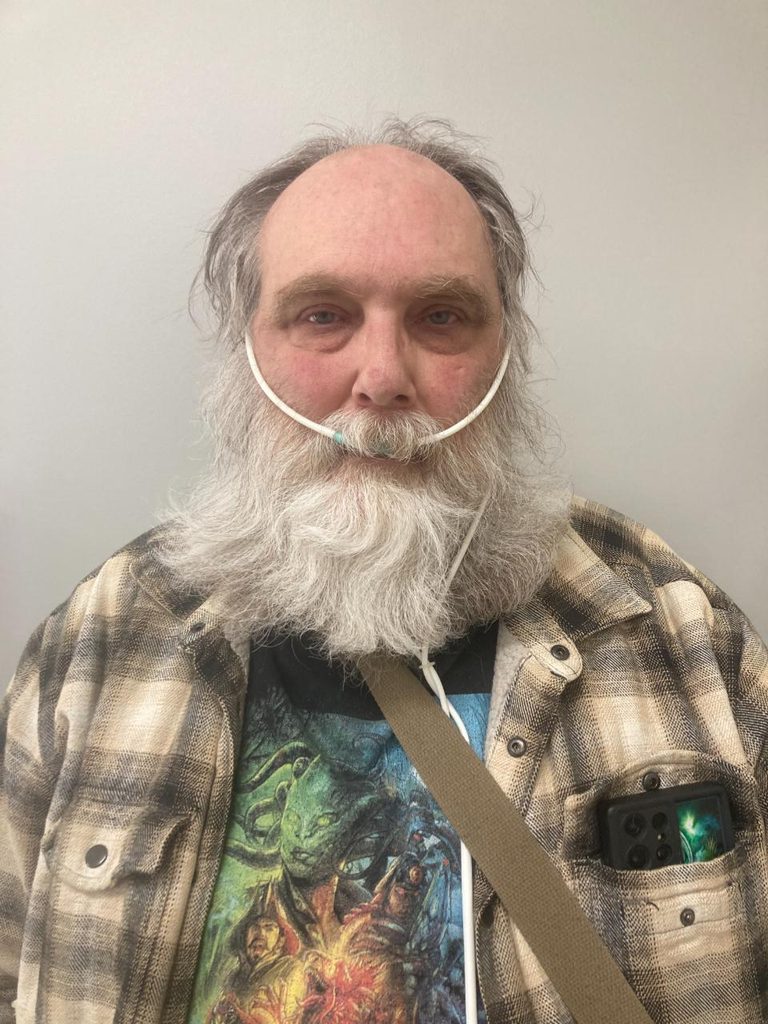
Local officers have answered those calls, located Tabor and taken him into custody. DOC owes the public an explanation for what happens afterward—and why this process keeps ending with his release. Tabor’s criminal history stretches back more than four decades. Wisconsin’s sex offender registry lists a 1984 Racine County conviction for first-degree sexual assault and a 1993 Kenosha County conviction for first-degree sexual assault of a child.

The criminal complaint in the Kenosha case described repeated oral and anal sexual assaults of a boy who was four when he disclosed the abuse. Prosecutors alleged that the assaults occurred at three Kenosha residences between 1991 and 1993, describing repeated abuse across nearly two years. These were atrocious allegations, followed by a child sexual assault conviction. Tabor remains subject to lifetime sex offender registration, and DOC’s registry identifies him as being under community supervision.
Kenosha County Sheriff’s Office Lt. Chase Forster provided KCE with information about three arrests originating with probation and parole requests. The first occurred June 7, 2020, when deputies responded to Tabor’s residence after DOC reported a violation of his supervision terms. Jail records show that Tabor was released the following day after the hold was canceled. On May 30, 2021, deputies again responded following a probation and parole request, this time concerning an electronic monitoring violation.

That booking ended June 2, 2021, with another canceled hold. The same basic sequence happened again this month. According to the Kenosha Police Department’s response to KCE, DOC contacted police at approximately 4:22 a.m. October 25 and requested that officers locate and arrest Tabor for an electronic monitoring violation. Officers went to his home and arrested him on the warrant DOC had entered.

KPD explained that officers did not write a separate report because their involvement consisted solely of picking him up on the warrant. Jail records show Tabor was booked at 5:18 a.m. and released October 26 at 12:47 p.m., with the disposition again listed as “PO HOLD CANCELLED.”

The Kenosha County Sheriff’s Office and Kenosha Police Department readily explained their roles when Kenosha County Eye asked about Tabor’s arrests. Both agencies provided information showing that their officers were carrying out DOC’s requests to take him into custody.

The only agency contacted that has not answered is Gov. Tony Evers’ Department of Corrections—the agency responsible for supervising Tabor after prison and explaining why his holds were canceled. Local law enforcement was willing to be transparent about its involvement, while DOC has left KCE’s questions unanswered.

That distinction matters because this criticism belongs at DOC’s doorstep. Local officers carried out the apprehension requests; they did not make DOC’s subsequent supervision decisions. The local DOC office has faced criticism from prosecutors, judges, law enforcement and defense attorneys. This case adds a straightforward accountability question: What is the department accomplishing by repeatedly asking police to arrest this man and then canceling the holds?
An arrest on a supervision warrant does not, by itself, establish that every reported violation was substantiated. The jail records also do not establish whether DOC imposed sanctions, changed his conditions or took other action before releasing him. Those are precisely the questions DOC was given an opportunity to answer. Its silence leaves the public unable to assess whether these releases followed meaningful enforcement or another decision to send Tabor home without an adequate response.
DOC’s own movement history shows that Tabor’s supervision was revoked in 2013 and that he entered an alternative to revocation in 2017. The department has taken action against him before, making its failure to explain the three later canceled holds especially frustrating.
If DOC substantiated serious violations, it should explain why revocation was not pursued or why another response adequately protected the public. If the apprehension requests resulted from monitoring problems, unsubstantiated allegations or circumstances that did not warrant continued detention, it should explain that too.
What it should not expect is unquestioning acceptance of a process that repeatedly consumes police, dispatch and jail resources without a public explanation of the outcome. Officers responding to these requests are spending time that could otherwise be devoted to other calls and investigations.
Supervision should mean something beyond having a person arrested periodically. When the person being supervised has this criminal history, the public deserves to know whether the conditions imposed on him are being meaningfully enforced.
DOC needs to resolve the violations it believes justify arrest, pursue revocation when warranted and correct apprehension practices that do not produce a legitimate enforcement result. It cannot keep asking local law enforcement to do its part while refusing to explain whether the department is doing its own.
**GRAPHIC DETAILS**
.
.
.
.
.
.
.
.