




KENOSHA, Wis. — Kenosha County Eye has won a public records lawsuit against the Wisconsin Department of Public Instruction, marking editor Kevin Mathewson’s 24th successful legal challenge to public records denials, after the agency released hundreds of pages of records concerning former KTEC teacher and convicted child groomer Christian J. Enwright, 31, of Kenosha, following litigation filed by Mathewson. The records reveal, for the first time, how Wisconsin’s educator licensing agency handled the case that ultimately inspired Wisconsin’s first standalone felony child-grooming law.

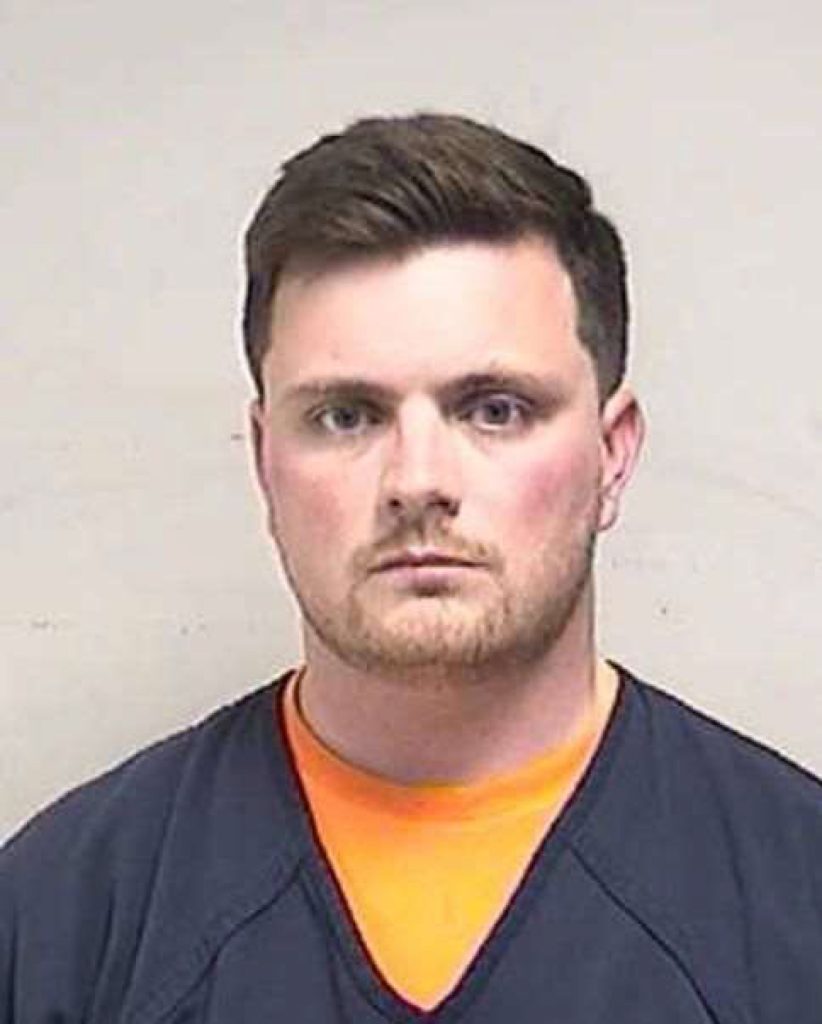
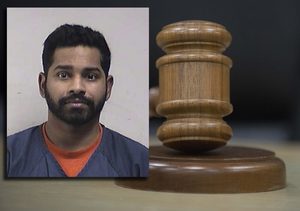
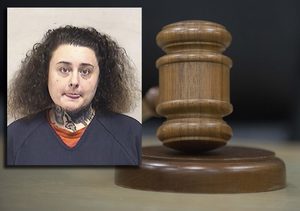
(Kenosha County Sheriff’s Office)
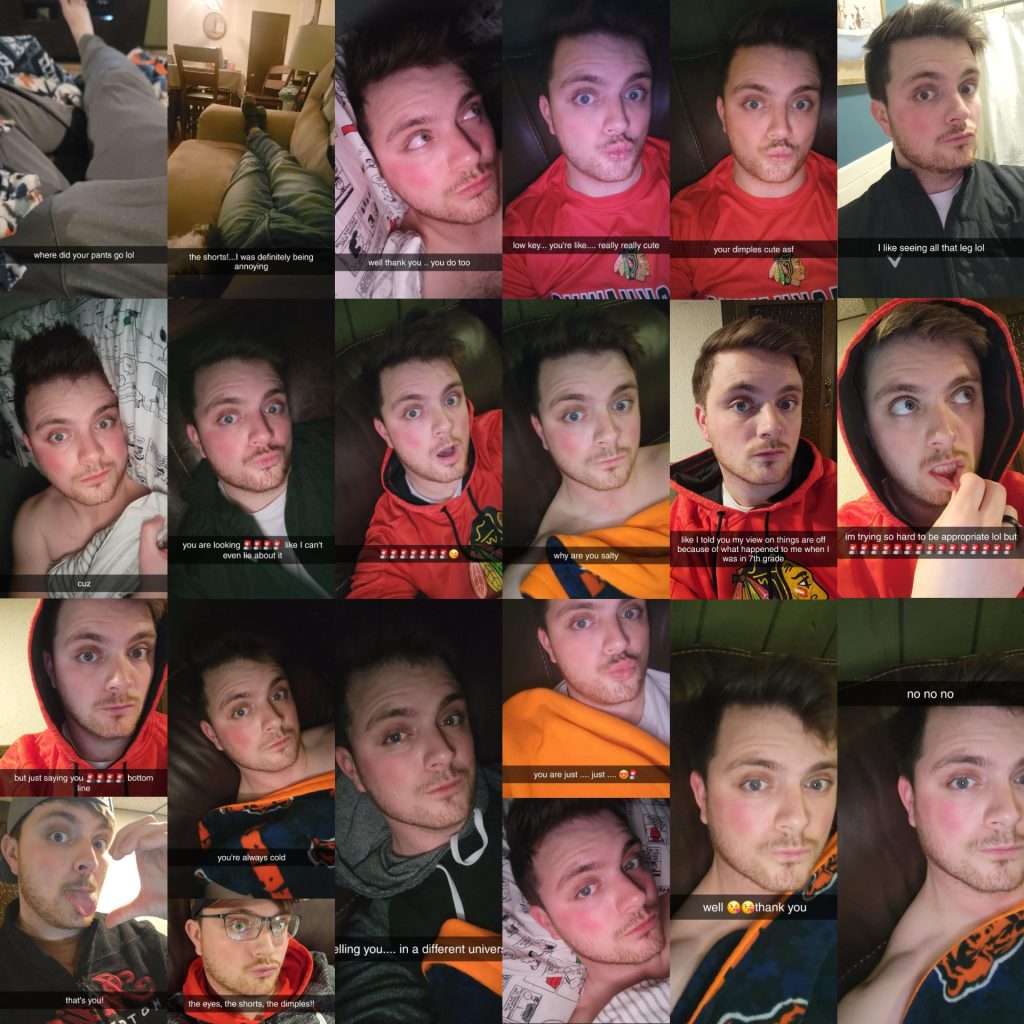
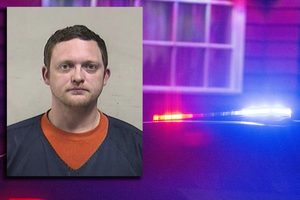
(Kenosha County DA’s Office)
Mathewson filed the lawsuit after DPI failed to produce the requested records for almost six months following his Jan. 1, 2026 public records request seeking all records related to the agency’s investigation of Enwright. After the lawsuit was filed, DPI produced all of the requested records.

The parties later settled the remaining issues. Under the settlement agreement, the State of Wisconsin agreed to reimburse Mathewson’s filing fees and costs and pay $1 in statutory damages. In exchange, the lawsuit was dismissed. DPI admitted no wrongdoing as part of the settlement.


For Mathewson, the outcome marks his 24th successful legal challenge to public records denials. Those victories include successful lawsuits, district attorney enforcement actions under Wisconsin law, and findings by the Illinois Attorney General ordering records released.

“The public had every right to know how the state agency responsible for licensing Wisconsin teachers handled one of the most significant educator misconduct cases in Wisconsin history,” Mathewson said. “These records belong to the people of Wisconsin, not the government.”

The records also answered several questions that had lingered since the Enwright scandal first erupted.

Here’s what we learned from the records.

Perhaps the biggest revelation is that Kenosha County Eye’s reporting appears to have been what first brought the matter to DPI’s attention.

DPI’s internal investigative file begins with a summary of Kenosha County Eye’s Feb. 20, 2024 story exposing allegations that Enwright had groomed a former seventh-grade student through Snapchat communications while teaching at KTEC. Rather than beginning with a complaint from KUSD or law enforcement, the agency’s chronology begins with Kenosha County Eye’s reporting and identifies Mathewson by name as the reporter who first exposed the allegations.
Just six days after that article was published, DPI investigator Stephanie Arnott contacted Kenosha Unified School District Human Resources Director Kevin Neir.
“DPI is aware of the recent media report regarding Mr. Enwright,” Arnott wrote while requesting updates on the district’s investigation.
The records also show Kenosha County Eye’s reporting continued to shape the agency’s investigation.
After Mathewson obtained the Kenosha Police Department investigative report through Wisconsin’s Public Records Law and published another story in April 2024, DPI documented that Mathewson emailed the police report to KUSD administrators while copying DPI. The agency’s investigative summary specifically references that email before detailing the contents of the police investigation.
The records further reveal that after reviewing the police report, DPI determined there was “reasonable cause to believe the individual engaged in immoral conduct.”
That conclusion was communicated to KUSD after Human Resources Director Kevin Neir questioned why DPI had placed Enwright’s teaching license under investigation.
“We reviewed the police report and determined there was reasonable cause to believe the individual engaged in immoral conduct,” Arnott wrote to Neir on April 29, 2024.
That exchange is particularly noteworthy when viewed alongside KUSD’s handling of the matter. During the criminal investigation, Neir repeatedly contacted the Kenosha Police detective assigned to the case asking, in substance, whether the investigation had concluded so Enwright could potentially return to work. Yet after DPI independently reviewed the same police report, the agency concluded there was sufficient evidence to open a license revocation investigation.
On May 3, 2024, DPI formally notified Enwright that it had opened a license revocation investigation. The agency alleged Enwright engaged in immoral conduct by maintaining extensive Snapchat communications with a student, telling her he loved her, becoming jealous when she mentioned other boys, and writing handwritten notes telling the student she was his favorite.
That same day, DPI demanded KUSD produce Enwright’s complete personnel file and all records related to the district’s internal investigation.
The records also answer another longstanding question.
Although DPI had opened a license revocation investigation, the agency informed Enwright that he could voluntarily surrender his teaching license at any point during the investigation. Rather than completing the revocation proceeding, Enwright contacted DPI in October 2024 and requested to surrender his Wisconsin educator license. Under the agreement he signed, he permanently surrendered all Wisconsin educator credentials, permanently waived any future attempt to regain them, and DPI closed its investigation after executing the agreement.
The Enwright case has had consequences far beyond DPI’s licensing investigation.
Kenosha County Eye first exposed the allegations in February 2024. Mathewson’s two children attended KTEC while Enwright taught there. Subsequent Kenosha County Eye investigations revealed evidence that KUSD administrators had been warned about Enwright years before the criminal case became public, prompting widespread outrage throughout the community.
The reporting ultimately reached the Wisconsin Capitol, where Kenosha Police Chief Patrick Patton sharply criticized KUSD’s handling of the case during a legislative hearing. State Rep. Amanda Nedweski repeatedly credited the Enwright case as the catalyst for legislation creating Wisconsin’s first standalone felony child-grooming statute, which was later signed into law by Gov. Tony Evers.
Enwright’s legal troubles extended beyond the grooming case.
In August 2024, he was separately convicted of operating while intoxicated after pleading guilty to OWI. His driver’s license was revoked for six months, and he was ordered to complete alcohol assessment and treatment.
After pleading guilty in the grooming case, Enwright was sentenced by Judge Gerad Dougvillo to 450 days in the Kenosha County Jail and three years of probation. Dougvillo denied his request for work release at sentencing and later denied a separate request for child-care release.
Enwright, however, did not serve the full 450-day jail sentence. He was released after serving approximately 248 days when the Kenosha County Sheriff’s Office applied 112 days of statutory good-time credit and an additional 90 days of work-crew credit earned while he worked in the jail kitchen. Kenosha County Eye later obtained jail records documenting those credits after Sheriff David Zoerner initially denied Enwright had participated in work crew.
The litigation surrounding the case is also far from over.
On May 20, 2024, the victim’s family filed a civil lawsuit against Enwright alleging he groomed the student for sex. The lawsuit was later removed to federal court, where additional defendants, including KUSD, were added. The complaint alleges school officials failed to protect the student despite warning signs and seeks damages for the harm allegedly caused.
For more than two years after the lawsuit was filed, Enwright represented himself in the litigation. Only recently did he retain legal counsel to defend against the claims. The federal lawsuit remains pending.
For Mathewson, obtaining DPI’s investigative file marks another victory for government transparency while adding another chapter to a story Kenosha County Eye has followed from the very beginning.
“What started as a local investigation into a middle-school teacher became one of the most consequential education stories in Wisconsin,” Mathewson said. “It resulted in criminal convictions, statewide legislative reform, a federal civil lawsuit, a DPI licensing investigation, and now my 24th successful legal challenge to public records denials. The public deserved to see how its government handled this case.”











11 Responses
Woodchipper already for this clown! I feel bad for his kids, wellness check please.
With 24 successes, I can’t see how anyone can in good faith claim you have been wrong. And your work did help protect a specific kid in this case and started the process of protecting countless other kids based on the legislation that was passed. Isn’t this what all journalists are supposed to be doing, serving the public?
Congratulations Kevin! Thanks for doing this and exposing KUSD for hiding these grooming teachers. There has been almost a handful this last school year already! Our children and grandchildren are not safe if KUSD continues to hire and then hide the teachers disgusting behavior after the fact! Keep up the great investigated journalism for Kenosha and Kenosha County. Bravo 👏
Another instance Kevin where your contribution was so great that if it was your last, you would still have a great resume for entering heaven.
Way to go, Kevin! Your tenacity is admirable and appreciated by the community. Holding public officials accountable is important work.
KUSD was ready to let that poor excuse for a man and teacher keep on working with kids, out in the community, no problem. They have failed as authorities and as human beings. Thank you for protecting the children of this area, Kevin.
I hate this little child molesting fuck.
Kevin Mathewson/Kenosha County Eye continues to lead in reporting in Kenosha County and exposing corruption in government and Kenosha Unified School System. We also now know that agencies and lawmakers in Madison are on notice that they need to be responsive.
Great job Kevin!
You can bet that this guy is the tip of the iceberg….and that there are several that need to be investigated.
Way to go Kevin! Thanks!
When will you do a class on how to hold the officials accountable and the correct steps to take
when they deny our Public Records Request? We really need your help pursuing it after they deny the request and or just send is a notice saying “it’s too much for us to look up.”
Neir should have been fired years ago.