



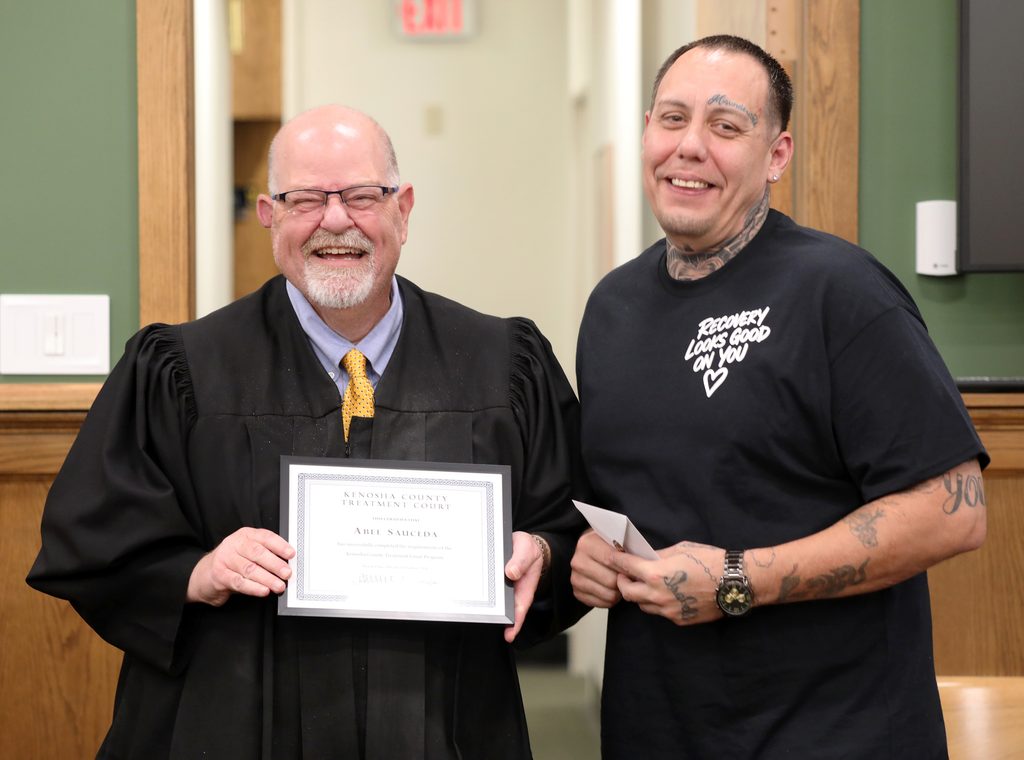
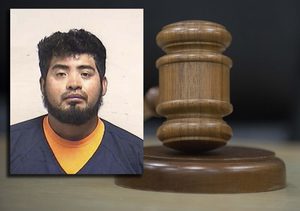
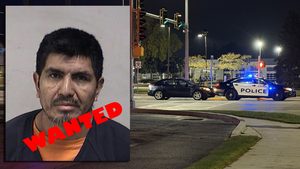
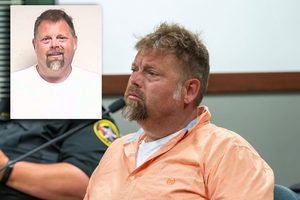
KENOSHA, Wis. — When Judge David Wilk first encountered Abel Sauceda in July 2015, he saw a man whose substance abuse and legal troubles had placed him on a troubling path. Eleven years later, Sauceda stood before the judge to celebrate completing Kenosha County’s Treatment Court — with a job, a driver’s license, a residence of his own and a safe place for one of his children to live.

“The difference between the Abel that I met 11 years ago and the one that I see before me is astounding,” Wilk said during Sauceda’s recent commencement hearing. “And it’s due, I think, in part to the supports that you received and the support that you provided yourself. You were committed to your strength and your recovery. … It has been a great honor to observe your growth.”

Wilk explained that most people entering Treatment Court are already three to six months into sobriety when he first meets them. That means the person working toward recovery is often the only version of that participant he knows.

Sauceda’s story was different because Wilk had seen him years before his recovery. Recalling their first encounter on July 8, 2015, Wilk described the Sauceda of that time as someone “taking an easy path, who was loud, and who was doomed.”

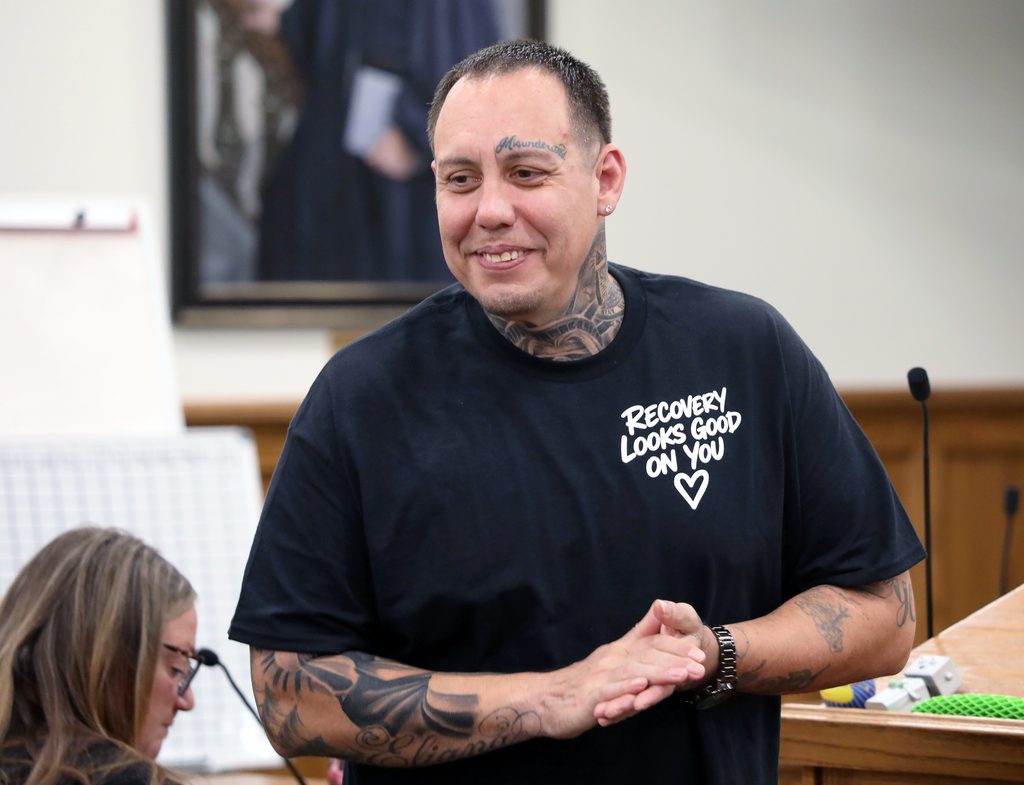
During his 14½ months in Treatment Court, Sauceda recorded 15 negative drug tests while meeting program benchmarks and completing required activities. The program allows participants to pursue recovery as an alternative to incarceration, combining treatment with court supervision and personal accountability.

Sauceda’s progress also earned recognition from his probation officer, who nominated him for the Wisconsin Department of Corrections’ 180 Award. “His momentum continues, as does his growth and belief in himself,” the nomination letter reads.

Speaking before Wilk, supporters and fellow Treatment Court participants, Sauceda credited his family and the recovery community with helping him persevere. He encouraged those still working through the program not to give up on themselves.

“I’m just glad to be here, glad to be where I’m at,” Sauceda said. “I wouldn’t have been able to do this without my family, without the recovery community. It was hard for me to believe in myself sometimes, but they always encouraged me that I could do it, so I really appreciate that.”

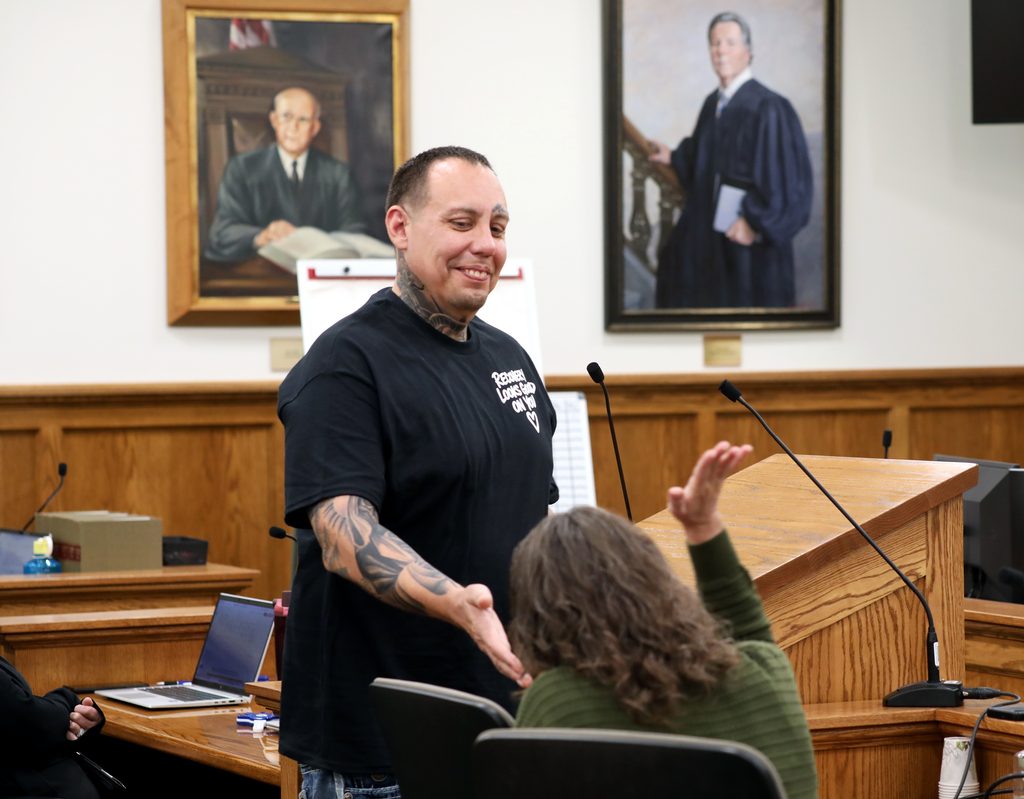
Treatment Court Coordinator Keri Pint praised Sauceda’s commitment and the changes he made during the program. She described his experience as an example of what treatment, support and accountability can accomplish.
“Abel’s journey is a powerful reminder that no matter how deeply rooted a person’s struggles with substance use and criminal involvement may be, meaningful intervention, personal accountability, and a genuine commitment to change can lead to lasting transformation, proving that a new beginning is always possible,” Pint said.
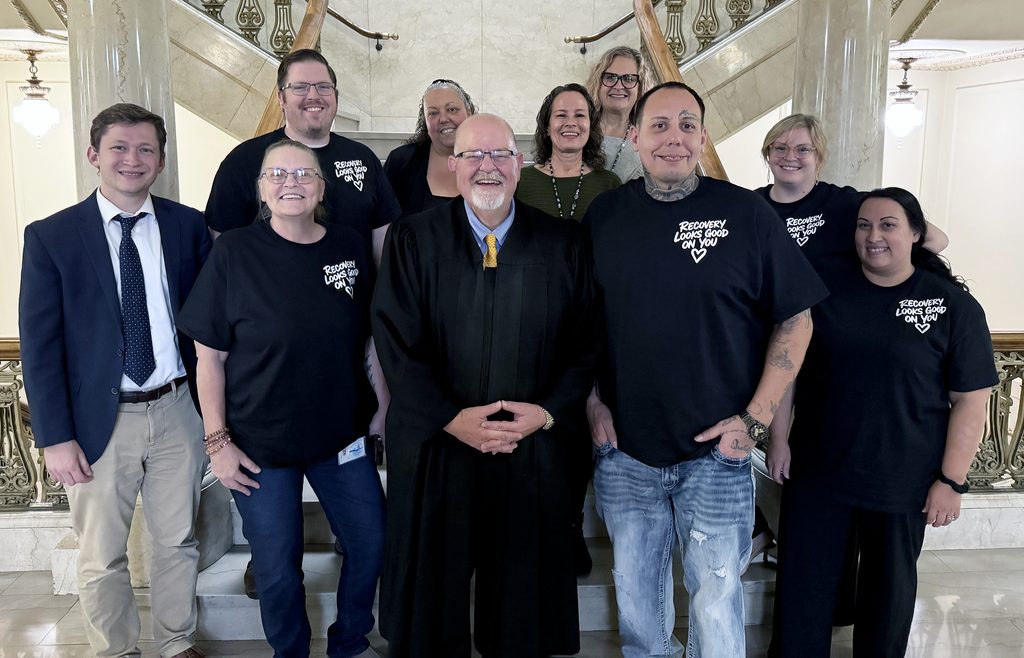
Kenosha County Treatment Court serves adult defendants who have pleaded guilty to one or more nonviolent crimes related to a substance use disorder. A judge and a team of Treatment Court professionals oversee treatment, programming and supervision intended to help participants maintain stable lives free from alcohol and illegal drugs.
The program brings together court oversight and recovery support as participants work toward lasting changes in their lives. For more information, contact Pint at [email protected] or 262-605-6608.
.
.
.
.
.
.
.
.
.



One Response
He has to remove those tattoos. Otherwise doomed