



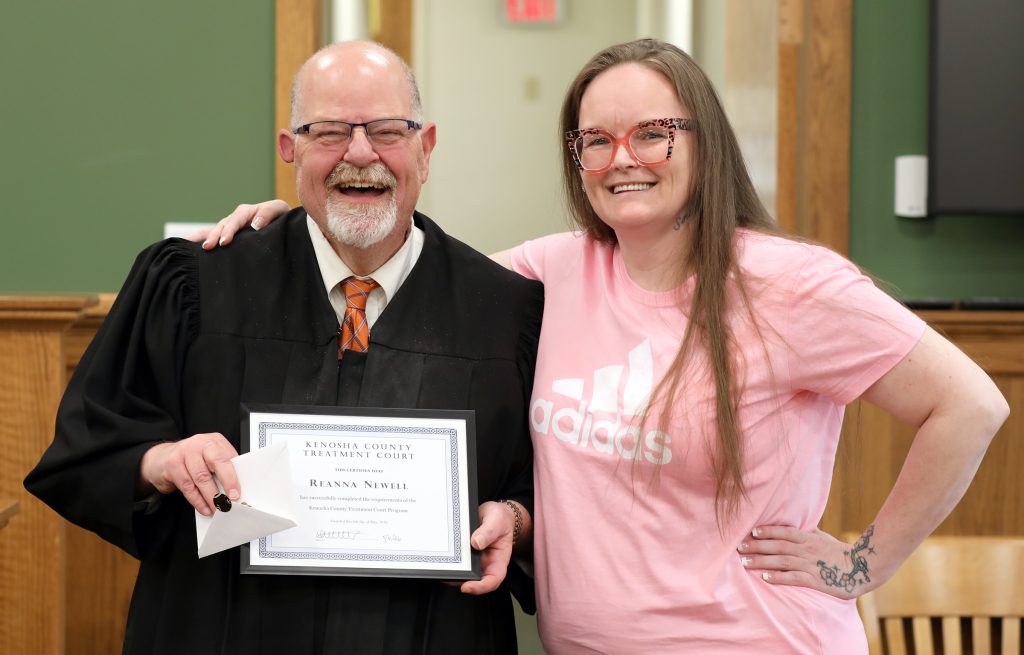
KENOSHA, Wis. — A woman who once spent much of her son’s childhood in jail is now returning to the Kenosha County Treatment Court program as a mentor after successfully completing the intensive recovery-based court system last week.

Reanna Newell graduated from the program after meeting strict court-imposed requirements that included 57 consecutive weeks of negative drug tests while under the supervision of Judge David Wilk and the Treatment Court team.

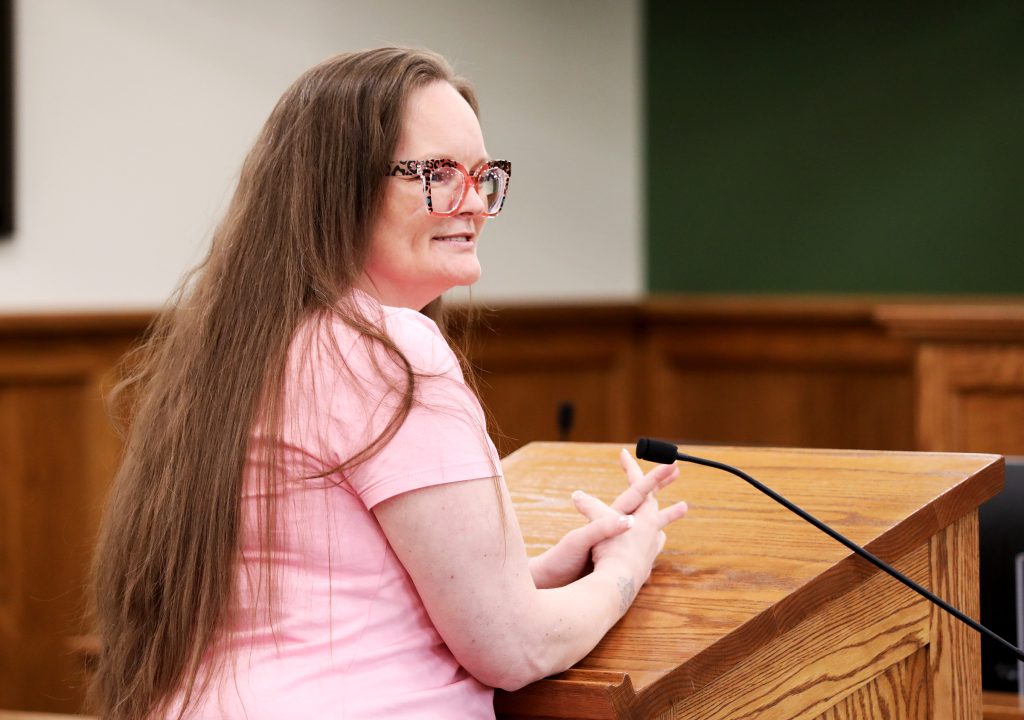
Newell told supporters gathered in the courtroom that the program changed her life and helped her become a better person.



“I just feel like I became a better person from the opportunity that I had to do treatment court,” Newell said during the commencement ceremony.

Rather than leaving the program behind entirely, Newell plans to return as a facilitator for the court’s alumni group, where she will work with participants who are still navigating recovery and criminal cases tied to substance abuse.

The Kenosha County Treatment Court serves adult defendants who plead guilty to crimes connected to substance use disorders. The program combines treatment, supervision, frequent testing, and judicial oversight in an effort to help participants avoid further incarceration and rebuild stable lives.

Treatment Court Coordinator Keri Pint said the program is designed to give participants an opportunity to change the direction of their lives.

“This program offers an alternative to participants, an opportunity to turn their lives around and build relationships and skills that will allow them to succeed in life,” Pint said.

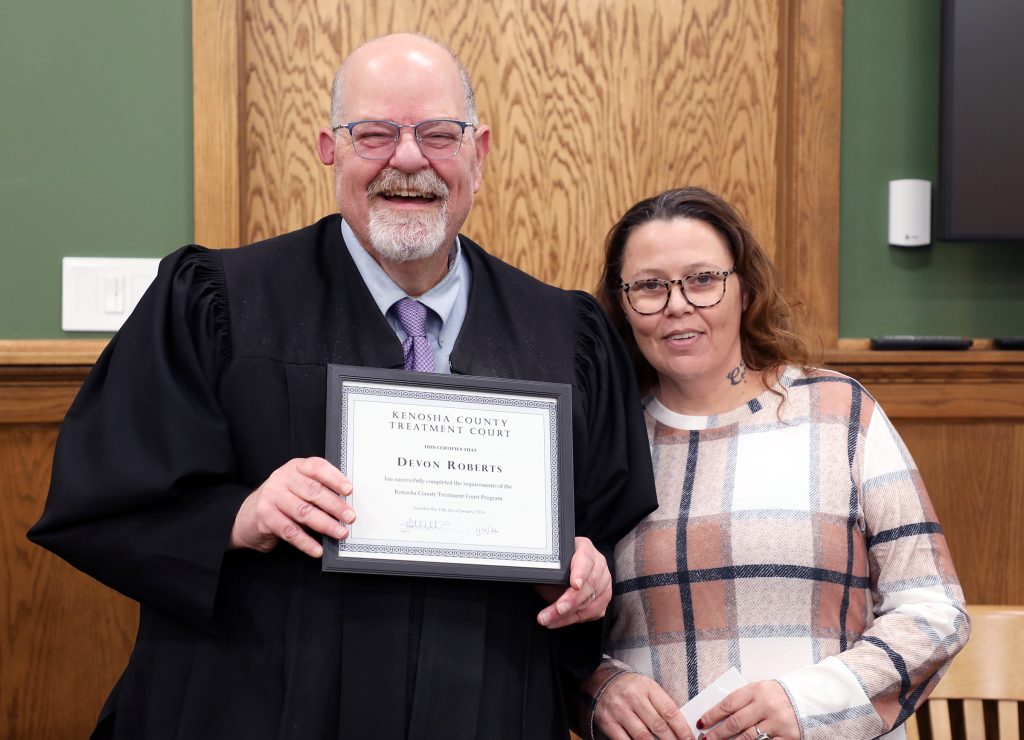
According to program officials, another recent graduate, Devon Roberts, spent 82 weeks in the program and produced 208 negative drug tests while maintaining employment and securing housing. Roberts also became involved in helping others in recovery by facilitating meetings at the Bridges Community Center.
“There were many times I didn’t think I was going to make it,” Roberts said. “But I did — with the help of my friends.”
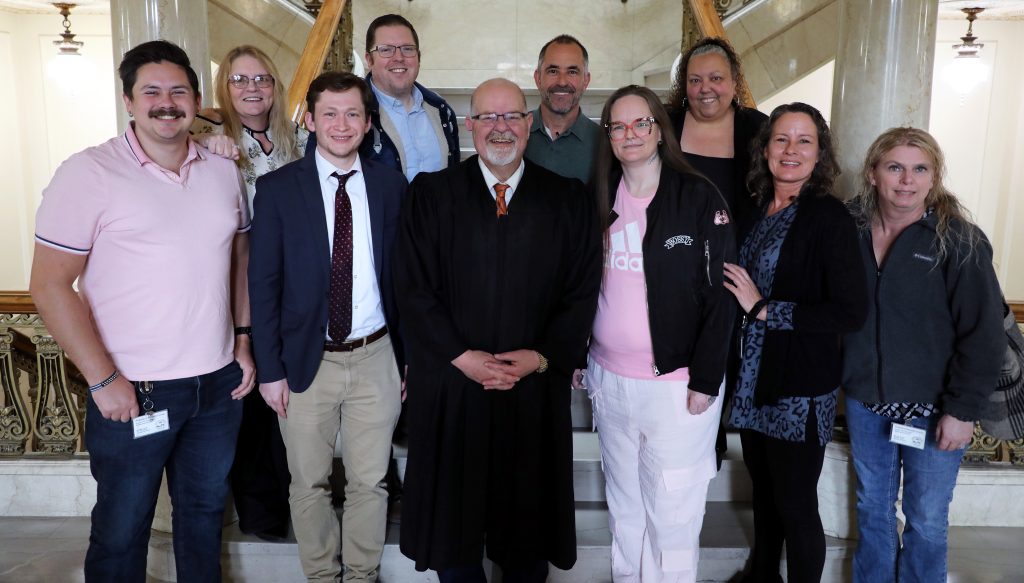
Newell said her legal troubles stemmed from charges filed in 2024 related to conduct that occurred during her addiction years, even though she had already been sober for several years before entering Treatment Court. The program allowed her to avoid jail while continuing her recovery and rebuilding family relationships.
“My son is 16, and for most of his childhood, I was in jail,” Newell said.
.
.
.
.
.
.
.



















3 Responses
Reanna is an inspiration to all of us in treatment court. Ive learned alot from her. Her encouragement and her sharing at meetings is uplifting to those in early recovery. Shes a part of my early recovery, as she leads by example is always transparent. Im so happy for you and where your going! Thanks for being u!
-TreatmentCourtsFinest
Congrats to Ms. Newll and to Kevin for this positive story.
Great job Reanna! Stay positive, and enjoy life. Such a wonderful story!