



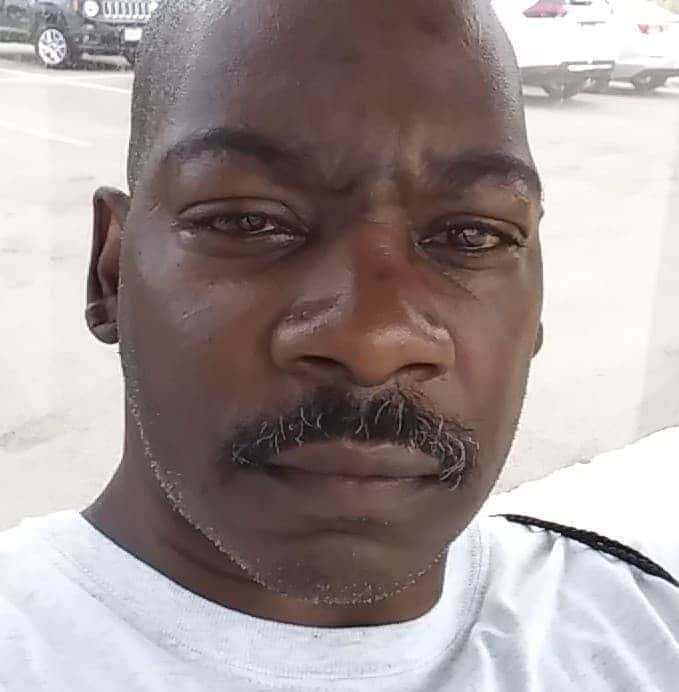
(Facebook.com)
Kenosha County Eye previously reported on the initial allegations and charging in this case, which ultimately resulted in a full acquittal. As a reminder, Kenosha County Eye does not have the time or resources to independently monitor the final disposition of every criminal case we report on. However, KCE will always update a case when someone who was charged contacts us and brings the disposition to our attention.
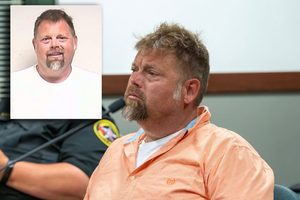
KENOSHA, Wis. — A Kenosha County jury acquitted Raymond J. Reitnauer of felony substantial battery last week, rejecting a prosecution that began with allegations of a brutal beating but unraveled as the complaining witness gave widely differing accounts and significant credibility issues emerged at trial.
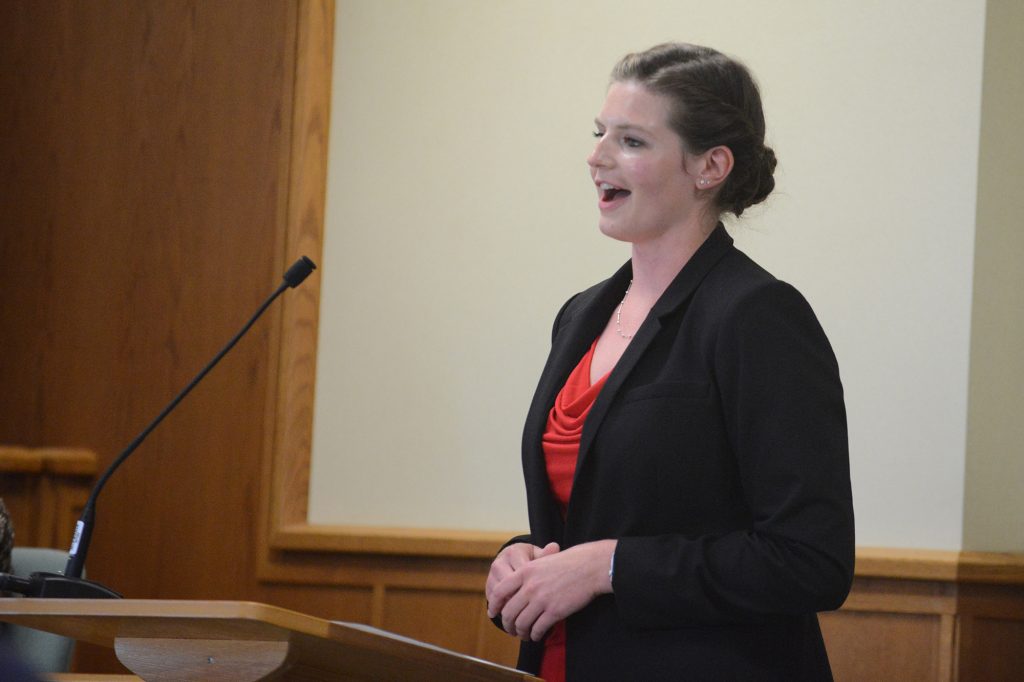
(Photo by Kevin Mathewson, Kenosha County Eye)
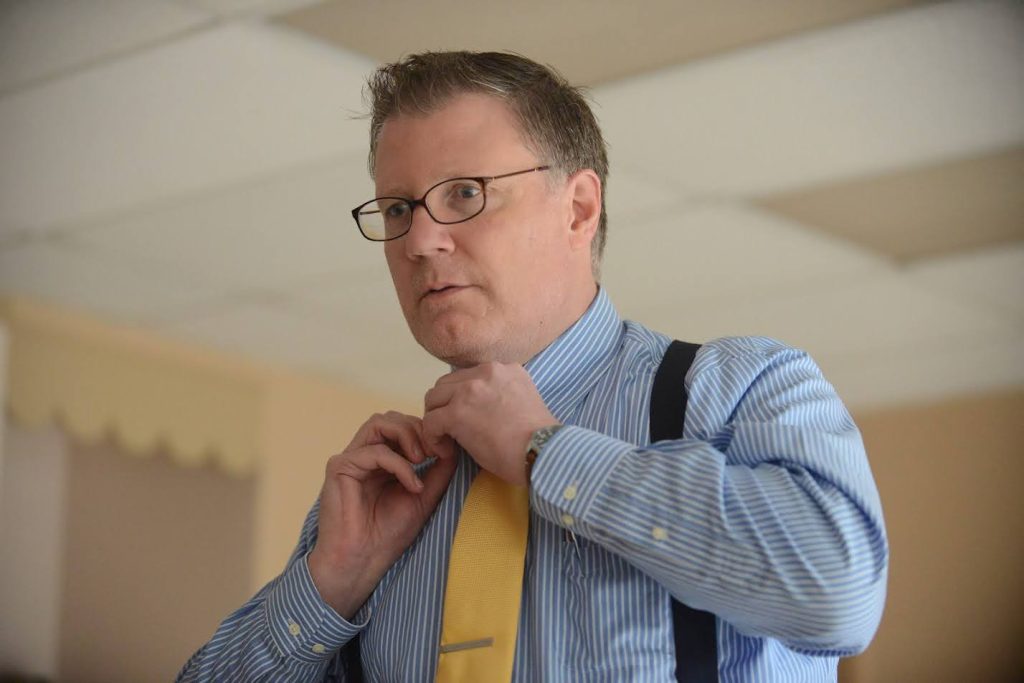
The verdict was also another courtroom victory for defense attorney Michael Cicchini, a long-time Kenosha criminal defense attorney. For new Assistant District Attorney Morgan Millar, the result was the opposite. The case was Millar’s second jury trial as a prosecutor and her second loss. She is now 0-2.
(File Photo by Kevin Mathewson, Kenosha County Eye)
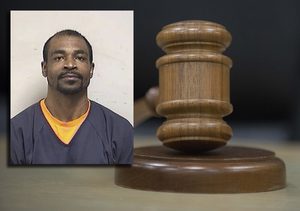
Reitnauer, 55, of Kenosha, had been charged with substantial battery, a Class I felony carrying a maximum sentence of 3½ years in prison and a $10,000 fine. Prosecutors accused him of severely beating Michael Allen on March 16, 2026.
The original allegations were gruesome. Allen told police that he went to a home in the 6600 block of 28th Avenue to retrieve personal belongings when an unknown “black guy” suddenly ambushed him, punching him in the face unprovoked, and knocking him unconscious. Allen claimed a kick to his face woke him up before a black steel-toed boot struck him in the face and caused him to lose consciousness again. The police documented injuries.
But a significant discrepancy emerged during Allen’s testimony. Allen told the jury that his orbital bone was broken, according to KCE’s courtroom observations. The medical testimony in the case, however, showed that his orbital bone was not broken.
A second major discrepancy was this: far from being attacked by an unknown “black guy” when walking into the residence, the defense demonstrated that Michael Allen was friends with Reitnauer. Allen had even asked Reitnauer for a ride to Culvers and the two had been together for several hours before walking into the apartment together. Reitnauer denied punching or kicking Allen, and testified that he intervened when Allen attacked the female homeowner or resident during a domestic-type of dispute. Reitnauer also testified to a very different cause of Allen’s injuries.
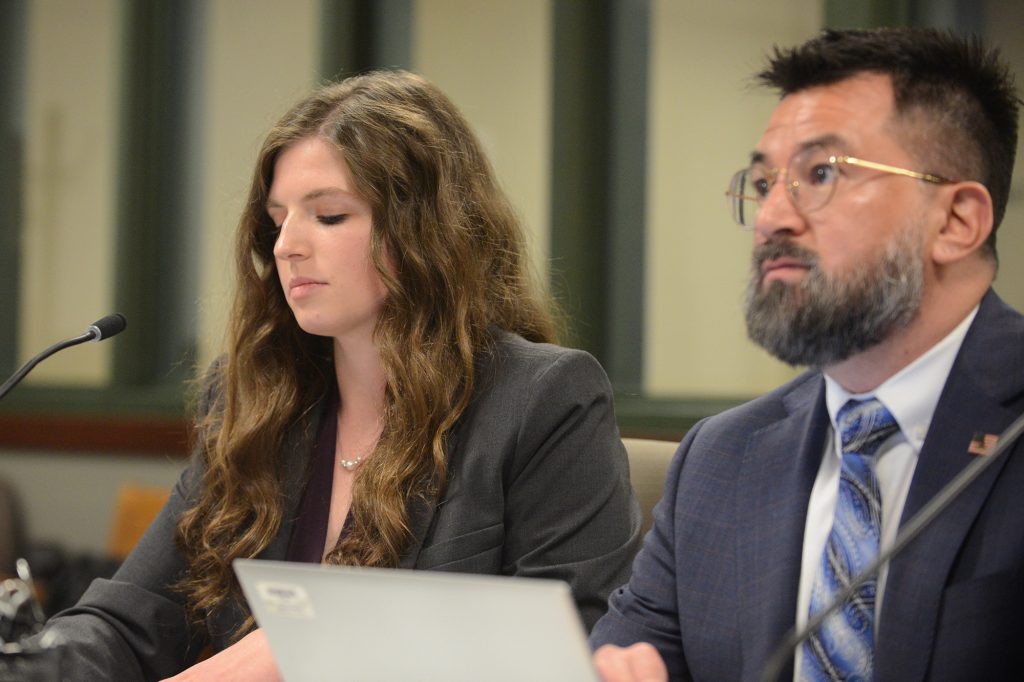
(File Photo by Kevin Mathewson, Kenosha County Eye)
On paper, the allegations looked devastating. And that is what Kenosha County Eye originally reported: the allegations as they appeared in the criminal complaint. It is one of the unfortunate realities of the news business. Initial criminal charges are public and newsworthy, but at that stage, reporters often have only the government’s version of events. The other side of the story sometimes doesn’t emerge until months later — or, as it did here, in front of a jury.
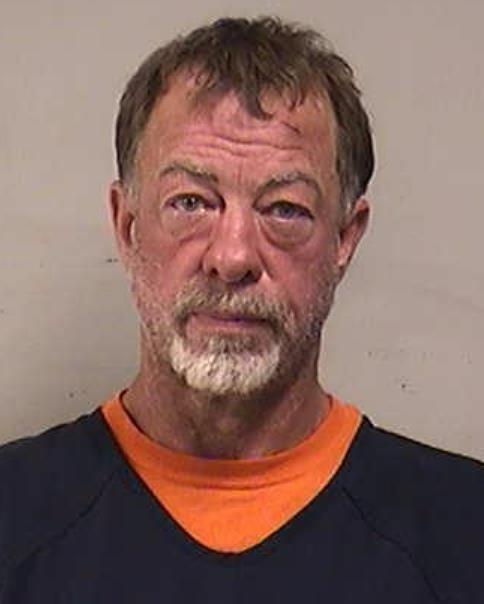
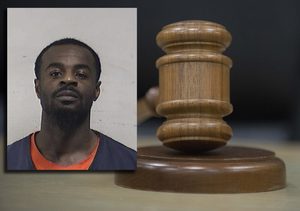
(Kenosha County Sheriff’s Office)
At trial, the case looked considerably different. Allen, who has a lengthy criminal history and pending cases in multiple counties, appeared before jurors in jail clothing and shackles. His attorney, Aileen Henry, asked Kenosha County Circuit Court Judge Jason Rossell to allow Allen to testify in street clothes. Rossell denied the request citing jail policy — perhaps the only trial ruling KCE observed which benefited Reitnauer’s defense.
More importantly, Allen’s account of what happened proved anything but consistent. KCE observed significant differences between what Allen told police, what the prosecution represented about the case, and what Allen ultimately told jurors. His account changed between his contacts with law enforcement, prosecutors and, finally, the jurors. Allen also repeatedly used the N-word when referring to Reitnauer while initially speaking with police — another issue that raised questions about his credibility and potential bias.
Those problems were particularly noticeable after Millar’s opening statement. KCE observed Millar largely reading from a prepared script and delivering a dramatic account of what she expected the evidence to establish. But significant portions of that narrative did not ultimately match the evidence and testimony jurors heard.
Millar’s arguments on contested issues were often short and, in KCE’s observation, not particularly articulate. Nevertheless, Rossell ruled in the state’s favor on almost all of the disputed issues throughout the proceedings. That was particularly notable given Cicchini’s experience and command of the evidentiary issues.
At one proceeding observed by KCE, Rossell screamed at Cicchini during an argument involving what lawyers referred to as “panorama” evidence. This author does not profess expertise in that particular legal concept, but the disagreement was unmistakable: Rossell forcefully rejected Cicchini’s position. At a later hearing, however, Rossell apologized to Cicchini and acknowledged that Cicchini had been right all along. Remarkably, Rossell still denied the defense motion, relying on a separate issue raised on the day of trial.
The episode was consistent with what another local legal expert told KCE about Rossell and his handling of the law. “Rossell thinks he knows the law and when he doesn’t, he makes things up,” the attorney told KCE. “He’s arrogant and makes bad decisions all of the time.”
Cicchini declined to comment on any rulings or legal issues presented in the case, but KCE was present for many rulings, spoke to other courthouse insiders that were present, and read the legal docket. Rossell, a Democrat who KCE has repeatedly criticized as a liberal activist and soft-on-crime judge, nevertheless ruled in the state’s favor on almost every significant disputed issue KCE observed or read about in this case.
From this author’s seat in the courtroom, it sometimes appeared Rossell wanted the state to win. A trial judge should be a neutral presence in the courtroom, not another obstacle for one side to overcome. The court docket reflects just how many battles Cicchini lost before ultimately winning the one that mattered.
In the end, the ultimate decision was left with the jury. At the trial, the state presented multiple witnesses including a nurse. Reitnauer then took the witness stand in his own defense. Millar called a detective in rebuttal before the case went to closing arguments. Jurors began deliberating at 4:05 p.m. on Aug. 4th. They reached a verdict at 5:25 p.m. Not guilty.
Several legal insiders who discussed the prosecution with KCE said that the case never should have been charged, let alone brought before a jury. Cicchini, however, was considerably more gracious than this author in assessing the prosecution. “Regarding the prosecutor, I found ADA Morgan Millar to be highly professional and very skilled in the courtroom,” Cicchini said. “She was a great hire for the Solis administration.”
Cicchini said the fundamental problem was the case itself. “The problem for the state was the substance of its underlying case, not the assigned ADA,” Cicchini said. “In your questions to me, you highlighted some of those problems, including the complaining witness’s multiple stories. It’s tough to say which problem was the most significant, but they all pointed to the same inevitable outcome: not guilty.”
KCE’s assessment of Millar’s performance is considerably less charitable than Cicchini’s. While Cicchini credited her professionalism and courtroom ability, KCE observed a prosecutor who appeared insufficiently familiar with important portions of the evidence, whose opening statement did not ultimately square with significant testimony presented at trial, and whose arguments on several contested issues were unimpressive.
Cicchini also had remarkably little time to prepare his case. Reitnauer spent portions of the case representing himself while the State Public Defender’s Office struggled to secure an attorney. Cicchini ultimately accepted the appointment on July 20th — a mere two weeks before jury selection. He quickly filed motions, challenged the state’s evidence, and took the case to trial on Aug. 3rd.
Two days later, Reitnauer had a full acquittal. Despite the disturbing allegations contained in the original complaint, Allen’s documented injuries, unfavorable evidentiary rulings, and a prosecution determined to obtain a conviction, Cicchini persuaded the people who ultimately had the final say: the jury.
“As for the jury system,” Cicchini said, “I have great confidence in Kenosha jurors. Raymond and I are very grateful for their time, attention, and service. Jurors protect citizens from police and prosecutorial overreach. They are the last line of defense for the accused. Without jurors, things would collapse in spectacular fashion.”


4 Responses
Eddie Murphy is that you??
Don’t you remember? He taught Forrest Gump everything about shrimp 🤣
0-2 but looks like a pretty solid 9 to me :). wow.
First I’d ask the police detective to do their job and I’d follow up with the DA investigator to get more details.
Remember the police only need PC to make the arrest.
This is a felony and a classic example of the need for the complaining witesss to testify in a preliminary hearing.
But since the VIctim Witness group runs the DA office, I understand why that didnt happen…..