



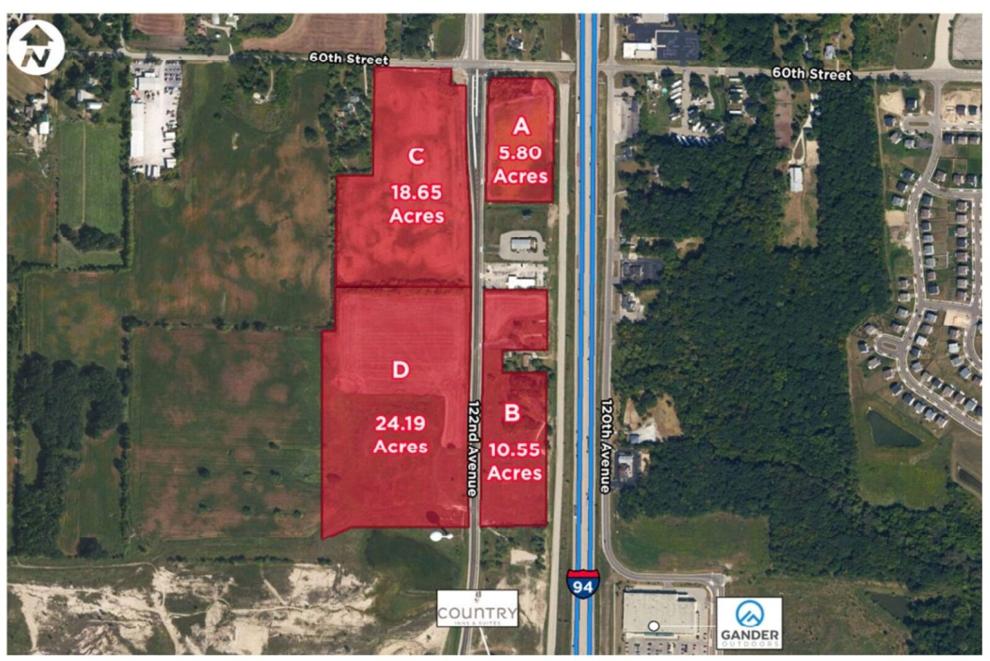
KENOSHA, Wis. — The Menominee Tribe is hoping for a quick approval of its proposed Kenosha casino, but recent decisions by the U.S. Department of the Interior and Bureau of Indian Affairs are raising new questions about how the federal government will approach off-reservation casino projects.

The Department of the Interior recently withdrew approval for the Scotts Valley Band of Pomo Indians’ California casino project, forcing the tribe to close its casino just days after opening and placing its larger development plans in jeopardy.

In a written decision, Assistant Secretary William H. Kirkland III concluded that although the tribe had satisfied certain requirements, it had failed to establish a significant historical connection to the property.
“Upon reconsideration, I conclude that, although the Band has satisfied the ‘modern connections’ and ‘temporal connection’ requirements, the Band has not established a significant historical connection to the Parcel. Therefore, the Vallejo Parcel does not qualify as restored lands,” Kirkland wrote.

The Department had approved placing 160.33 acres into trust on Jan. 10, 2025, just 10 days before a new presidential administration took office. In March 2026, following objections from neighboring tribes, the Department opened a review and ultimately reversed the decision following a federal court order requiring a final decision by the end of July.

The California decision was not the first time a Biden-era casino-related designation was reversed. In September 2025, a federal judge blocked the Koi Nation’s plan to build a casino on 70 acres in Northern California, finding that the BIA failed to properly consult with the Federated Indians of Graton Rancheria as required under the National Historic Preservation Act.

Lorri Pickens, of Citizens Against Gambling, believes those developments could have significant implications for the proposed Kenosha casino.

“The message from the Department of the Interior is becoming increasingly clear: Trust-land designations and off-reservation casino projects are facing greater scrutiny than they did under the previous administration,” Pickens said. “More importantly, the current Department has demonstrated a willingness to revisit and reverse previous decisions.”

Pickens said she believes that should serve as a warning for Kenosha.
Pickens is also critical of the environmental review supporting the Kenosha proposal, characterizing the Environmental Assessment as “inadequate, incomplete and outdated.” She believes that if the Interior Department applies greater scrutiny to the Kenosha project, federal officials could demand a more extensive environmental review.
“That would reset the clock on the Kenosha project and could drag the process out for years,” Pickens said.
Pickens said that while the federal process continues, valuable land remains vacant, and she believes local officials should reconsider whether continuing to pursue the casino is in Kenosha’s best interests.
“At some point, local officials need to stop pretending this project is inevitable and pull the plug on the latest plan for an off-reservation casino in Kenosha,” Pickens said. “Sell the land. Put it back on the tax rolls. Start reaping the benefits of a broader tax base.”
“Kenosha does not need to spend years chasing a doomed casino project that may never generate the kind of revenue its supporters promise,” Pickens said. “It needs to move on and pursue economic development opportunities that have a realistic chance of delivering results.”















4 Responses
The Native Americans trying to get this casino going are from Florida and are trying to use flimsy excuses to call Kenosha County tribal land. It isn’t for history or preservation. It’s for the cash the leaders will get from investors and payoffs. And no regular tribe members will ever profit off this plan. Only those in charge.
Kenosha doesn’t need a trashy casino. We need decent businesses that will help lower taxes. Tribal land will not do that. It will increase expenses for the county.
Follow the money
What are the indian’s historical connection to casinos?
I’ve rename to my backyard Egypt, now it’s the land of the Pharaohs. Everyone please change your maps accordingly.