



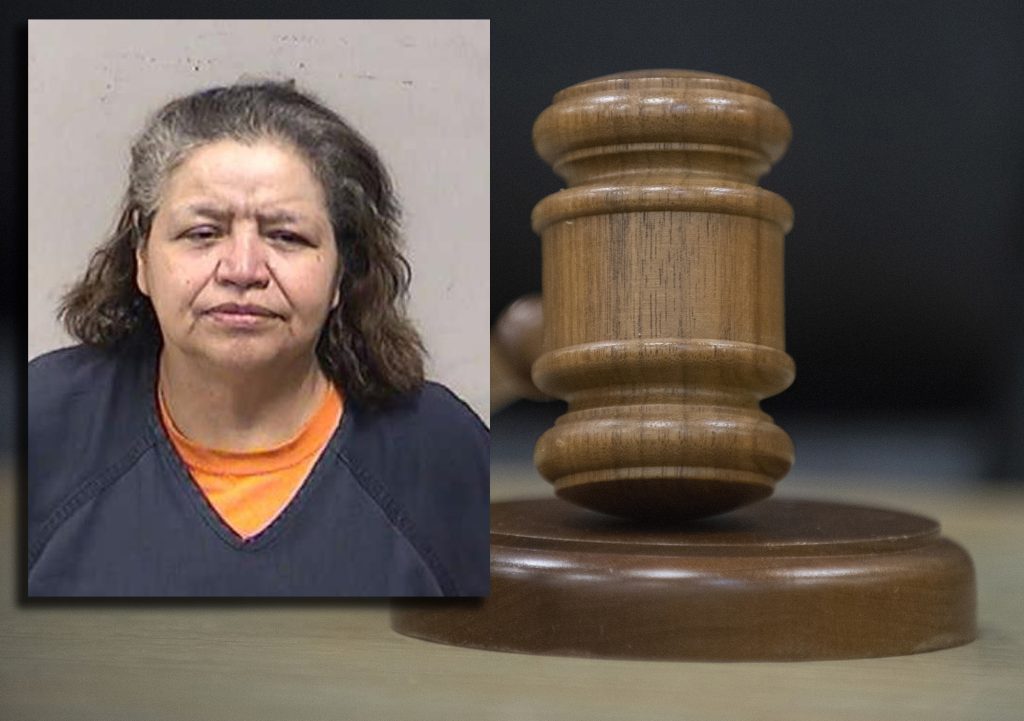
(Kenosha County Sheriff’s Office)
KENOSHA, Wis. — How many times does someone have to drive drunk before they’re actually locked in a jail cell?
Once? Not in Kenosha.
Twice? No.
Three times? Still no.
Four times—a felony offense and one that many states would have treated as a felony after a third conviction? Apparently not that, either.
On Wednesday, Liberal Judge Jodi Meier (D) sentenced Graciela Oviedo, 60, of Kenosha, to 270 days of Huber work release after she pleaded guilty to felony fourth-offense operating while intoxicated. While the sentence carries a 270-day jail term on paper, the authorization of work release means Oviedo will not be confined full-time, continuing what many critics view as the Kenosha judiciary’s white-glove treatment of repeat drunk drivers.
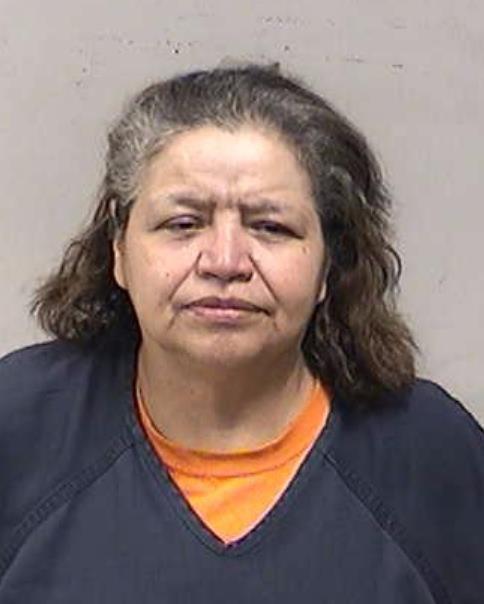
(Kenosha County Sheriff’s Office)
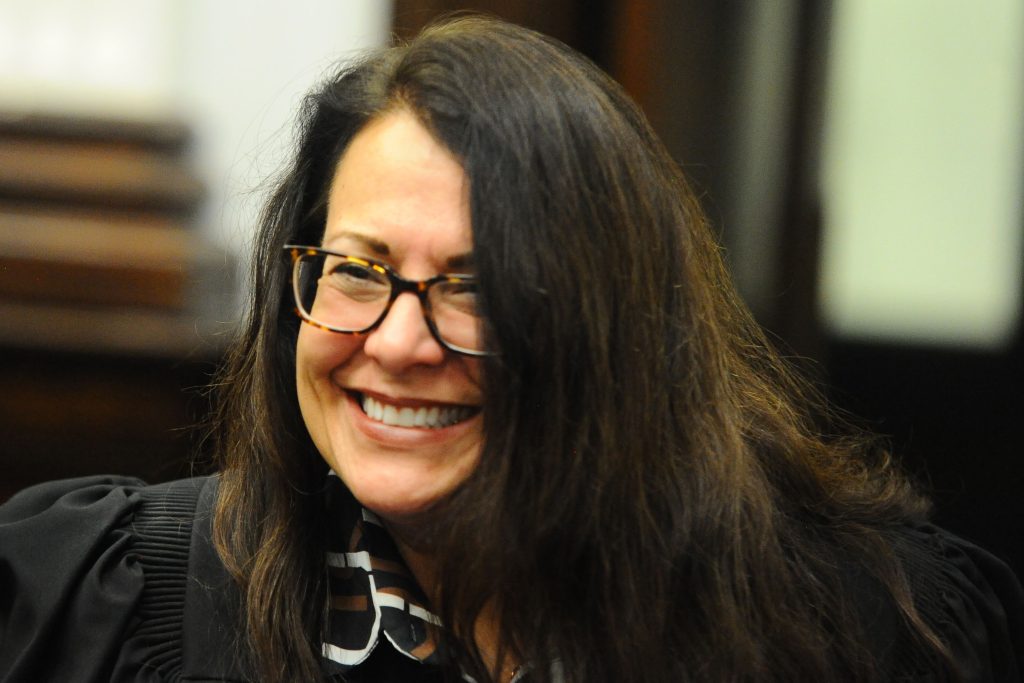
(File Photo by Kevin Mathewson, Kenosha County Eye)
The latest conviction arose from an incident that nearly ended in a collision with a Kenosha police squad car.
According to the criminal complaint, shortly before midnight on April 26, Kenosha Police Officer Dessart was traveling northbound on Green Bay Road with a green traffic signal when Oviedo turned left directly in front of the marked squad car. The officer was forced to brake suddenly to avoid a crash before conducting a traffic stop.
Police said Oviedo exhibited numerous signs of impairment. Officers reported her speech was slow and slurred, she struggled with simple tasks such as operating her vehicle’s window controls, and she insisted an insurance card that had expired months earlier was still valid.
Oviedo admitted she had been at Century Pub in downtown Kenosha earlier in the day, where she consumed two bottles of Stella Artois before driving home, according to the complaint.
During field sobriety testing, investigators said Oviedo had difficulty maintaining her balance, failed multiple portions of the walk-and-turn test, and repeatedly lost her train of thought. Officers also reported that she urinated on herself during the investigation. Additional impairment testing was abandoned because officers concluded she was not actively participating.
Based on her driving behavior, physical signs of impairment, admission to drinking alcohol, and performance on field sobriety tests, officers arrested Oviedo for operating while intoxicated. She later consented to a blood draw at Aurora Medical Center. Blood test results were not available when the criminal complaint was filed.
Court records show Oviedo’s previous OWI convictions occurred in Kenosha County in 1995, Milwaukee County in 1996, and Kenosha County again in 2014, making the latest offense a Class H felony.
At sentencing Wednesday, Judge Meier accepted Oviedo’s guilty plea and imposed 270 days in the Kenosha County Jail with Huber work release authorized, a $2,800 fine plus court costs, a 36-month revocation of her driver’s license, an ignition interlock device requirement, an OWI assessment, and an order requiring her to provide a DNA sample. She received two days of sentence credit.
The sentence comes as scrutiny continues over how repeat OWI offenders are sentenced in Kenosha County, where critics have argued that judges too often allow offenders with multiple drunk-driving convictions to avoid traditional incarceration through work-release privileges.












2 Responses
Why is this a problem?
DAMM (Drunks Against Mad Mothers) supports this trend.
The Kenosha Judiciary is a rolling shit show. The hits just keep coming.