



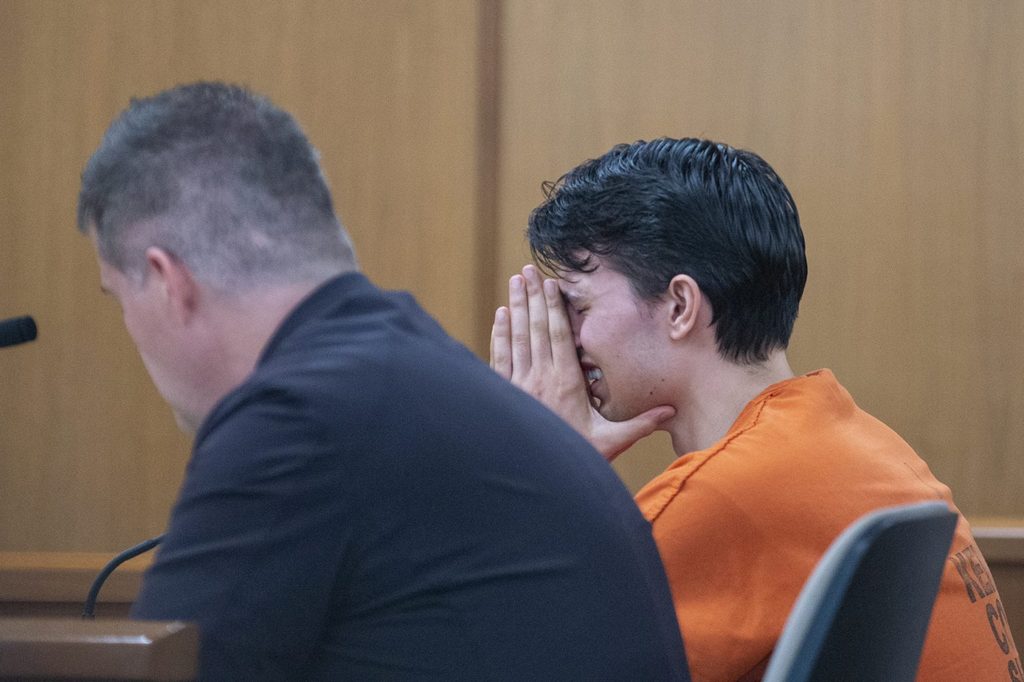
(Photo by Kevin Mathewson, Kenosha County Eye)
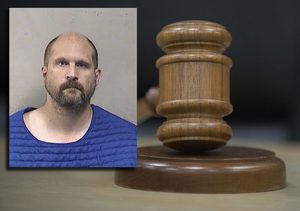
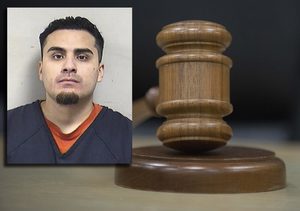
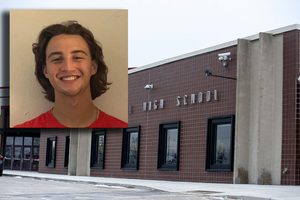
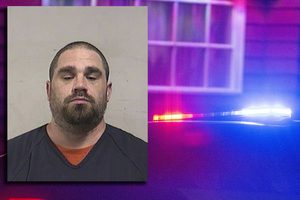
KENOSHA, Wis. — A Pleasant Prairie man sentenced to 30 years in prison for killing two of his friends and seriously injuring two others in a horrific drunken-driving crash has lost his appeal challenging evidence obtained by police shortly after the deadly collision. The Wisconsin Court of Appeals upheld the conviction of Ajay Gregory Pierangeli, 24, who pleaded guilty to two counts of homicide by intoxicated use of a vehicle in connection with the July 28, 2023, crash that killed Dylan Zamora and Jenna Barrette.

In a decision released Wednesday, October 7, 2026, a three-judge appellate panel rejected Pierangeli’s argument that police violated his constitutional rights when they ordered a blood draw at the hospital without first obtaining a search warrant. The decision leaves intact the circuit court’s ruling allowing the blood evidence to be used against him. The appellate panel consisted of Judges Maria S. Lazar, Mark D. Gundrum and Chris M. LoCoco.

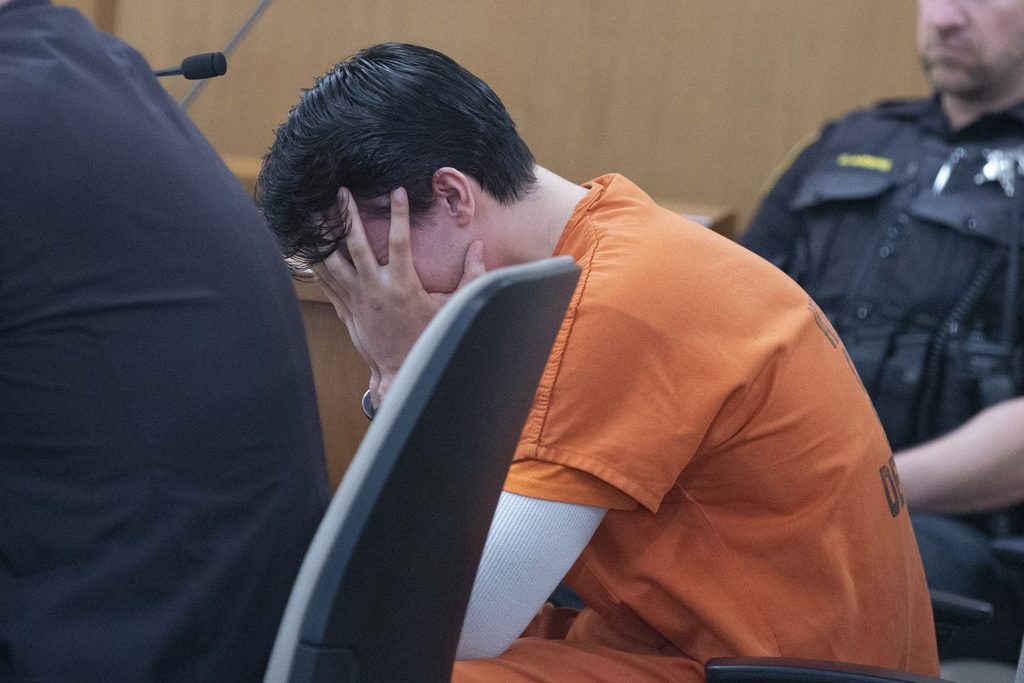
Pierangeli was sentenced on July 11, 2025, by Kenosha County Circuit Court Judge Anthony Milisauskas to 15 years of initial confinement for each death, with the sentences running consecutively. That means Pierangeli must serve a total of 30 years in prison, followed by another 30 years of extended supervision. He received credit for 714 days already spent in custody and will be approaching 50 years old when he completes his initial prison sentence, assuming he serves the full term with the applicable credit.
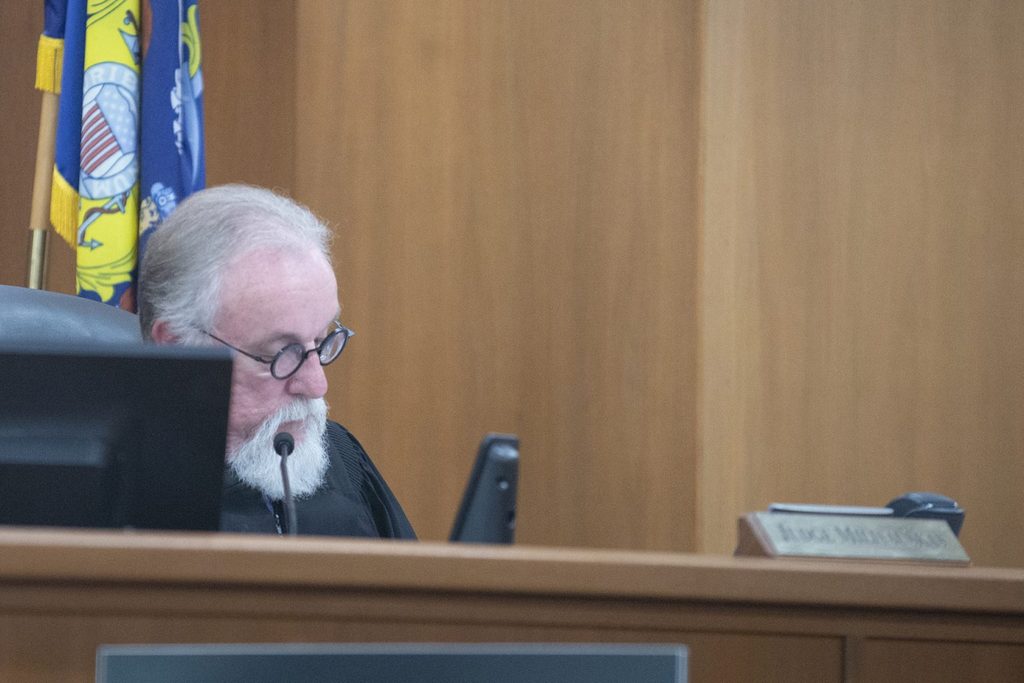
(Photo by Kevin Mathewson, Kenosha County Eye)
The deadly crash occurred at approximately 3:25 a.m. on July 28, 2023, when Pierangeli drove a red Dodge Dakota off 75th Street and directly into the Play It Again Sports building at 4017 75th Street in Kenosha. The violent collision killed Zamora and Barrette, both passengers in the truck, and seriously injured two other friends. Alex Wajerski suffered a fractured skull, while Quincy Hanson sustained a fractured rib and collapsed lung.

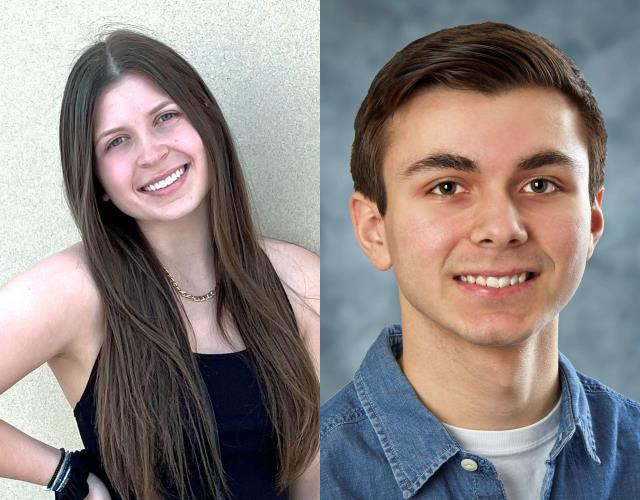
(Legacy.com)
Pierangeli also suffered serious injuries, including a ruptured lung, and was unconscious following the collision. Investigators determined that the truck had been traveling at approximately 50 mph shortly before the crash in an area with a 30 mph speed limit. Information recovered from the vehicle indicated that its accelerator was fully depressed immediately before impact.

A hospital blood test taken for medical purposes revealed Pierangeli had a blood alcohol concentration of .282, more than three times Wisconsin’s legal limit of .08. The crash was not Pierangeli’s first encounter with drunken-driving laws. He had previously been convicted of operating while intoxicated in December 2019 following an August 2019 rollover crash in Pleasant Prairie.

Appeals Court Rejects Blood Draw Challenge
The appeal centered on a second blood sample taken from Pierangeli at the hospital at the direction of law enforcement. Unlike the initial blood draw performed by medical personnel for treatment purposes, the second sample was obtained without a warrant. Pierangeli’s attorney argued that officers lacked probable cause to believe he had been driving while intoxicated and that no emergency justified bypassing the usual requirement for a search warrant.

According to the appellate decision, police had not personally smelled alcohol on Pierangeli or received information from someone else that he appeared intoxicated before ordering the blood draw. The defense argued that the circumstances did not establish sufficient grounds for a warrantless search. The appellate judges disagreed, pointing to testimony describing Pierangeli’s erratic driving and the extraordinary circumstances surrounding the crash.

A witness reported that Pierangeli had been swerving several times and traveling at a high rate of speed before the collision. The witness also described a passenger hanging out of the vehicle’s window and blowing kisses shortly before the crash. The judges considered the timing of the collision, shortly after bars typically close, along with the severity of the crash, which sent the truck deep into a concrete commercial building.
Taken together, the appellate court concluded, those circumstances provided probable cause to believe Pierangeli had been operating while intoxicated. The judges rejected the argument that officers needed to smell alcohol or receive a direct report of intoxication before they could reasonably suspect drunken driving under the circumstances presented.
(Photo by Kevin Mathewson, Kenosha County Eye)
The judges also addressed the emergency circumstances surrounding the blood draw. Pierangeli was unconscious and receiving treatment for critical injuries, and officers were concerned that medical intervention, including a possible blood transfusion, could alter evidence of his blood alcohol concentration. An officer testified that obtaining a warrant would have taken approximately 25 to 30 minutes while Pierangeli was undergoing emergency treatment.
The appellate panel relied on the United States Supreme Court’s decision in Mitchell v. Wisconsin, which addresses warrantless blood testing of unconscious suspected drunken drivers. Under that precedent, the court explained, an unconscious driver challenging such a blood draw must establish particular circumstances that would defeat the usual justification for obtaining the sample without a warrant.
Because hospital personnel had already independently drawn blood for medical purposes, the appellate court determined that Pierangeli could not satisfy the first requirement for overcoming that justification. The judges therefore did not need to decide the second requirement. The court affirmed the circuit court’s denial of Pierangeli’s motion to suppress the evidence, rejecting the challenge that formed the basis of his appeal.
Families Described Devastating Losses at Sentencing
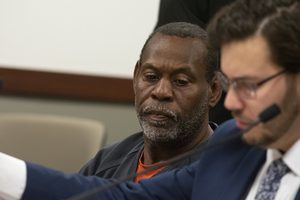
The appellate ruling comes more than a year after an emotional sentencing hearing during which relatives described the devastation caused by the deaths of Zamora and Barrette. Dylan Zamora’s grandfather, Jon Heinz, told the court that although he never had biological children of his own, Dylan was the closest thing he had to a son. He recalled watching Dylan grow up, sharing important moments throughout his life and receiving the devastating news that Dylan had been killed.
Heinz described the regret of never getting another opportunity to say goodbye and the enormous emptiness left by his grandson’s death. “He was my everything,” Heinz told the court. He remembered Dylan as a kindhearted young man who cared deeply about other people, including those who were less fortunate.
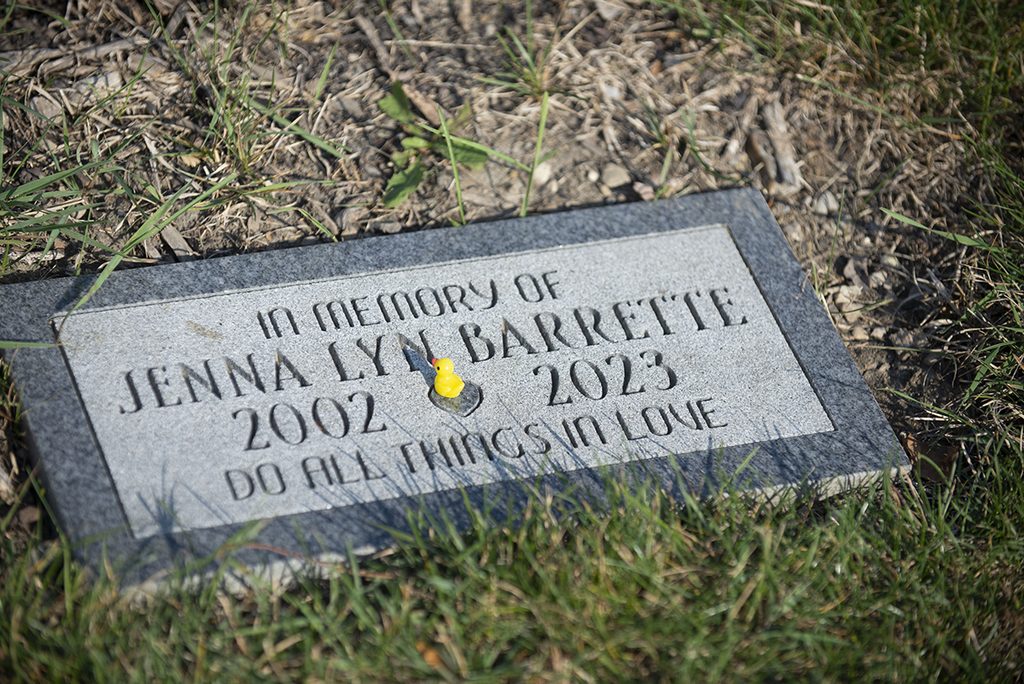
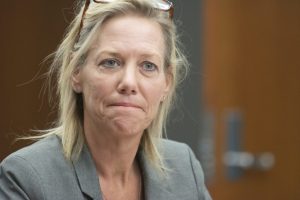
Jenna Barrette’s mother, Tammy Barrett, described her daughter as “pure sunshine,” a young woman who was funny, caring and deeply loved by those around her. Jenna attended Carthage College and hoped to become a nurse. She had a close relationship with her sister, Jordan, and was supposed to serve as her maid of honor. More than 1,300 people attended Jenna’s funeral, according to her mother.
During the hearing, Barrett challenged the prison recommendation made by prosecutors, who had requested 12 years of initial confinement for each death. “I will never understand how my daughter’s life is only worth 12 years,” she said. Her remarks underscored the family’s belief that no prison sentence could adequately account for the life Jenna lost or the future she would never experience.
(Photo by Kevin Mathewson, Kenosha County Eye)
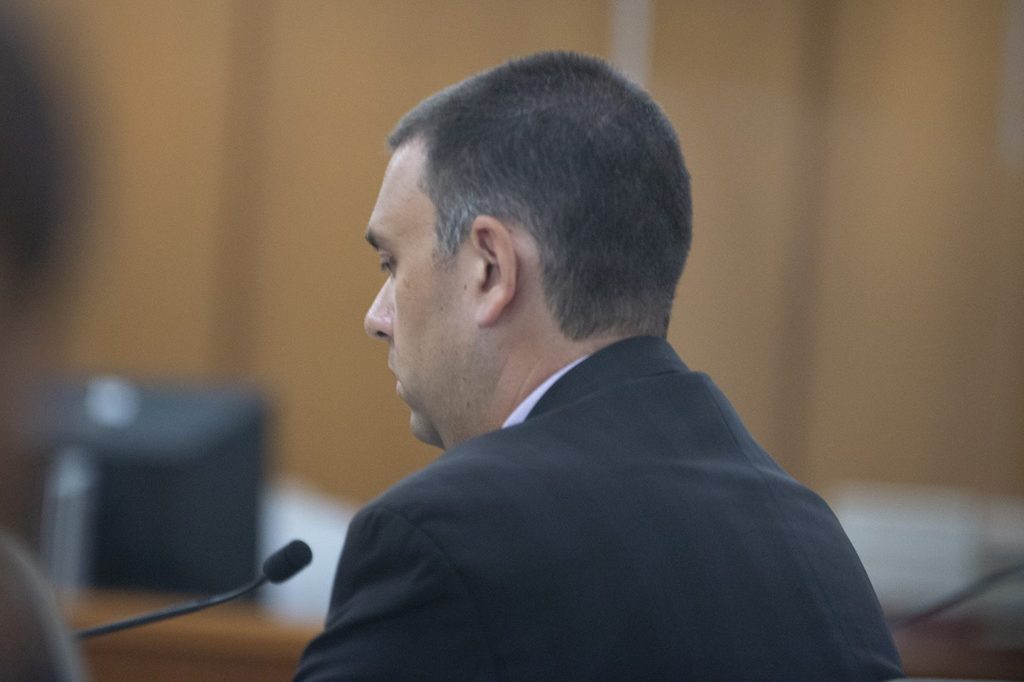
Assistant District Attorney Zachary Brost described the case as gut-wrenching and urged the court to impose consecutive prison sentences totaling 24 years of initial confinement. Brost emphasized the extreme level of intoxication, the dangerous driving and Pierangeli’s previous drunken-driving conviction. Prosecutors argued that the seriousness of the offenses and the deaths of two young people warranted a lengthy prison sentence.
Defense attorney Eric Olson requested seven years for each death, or 14 years of initial confinement altogether. Olson argued that the crash was not intentional and raised the possibility that wet road conditions and hydroplaning contributed to the collision. He also emphasized Pierangeli’s acceptance of responsibility, his youth and positive aspects of his background.
Pierangeli addressed the court before sentencing, apologizing to the families and acknowledging his responsibility for what happened. “I failed as a friend. I failed as a brother. I failed as a son,” he said. He asked the court for mercy while recognizing the terrible consequences of his actions and the suffering inflicted on the victims’ families.
Judge Milisauskas ultimately imposed a sentence substantially longer than either side requested. He emphasized that the crash had ended two separate young lives, depriving both victims of futures that could have included careers, marriages, children and grandchildren. The judge also stressed the importance of protecting the public and deterring others from making the same deadly decision.
Pierangeli initially faced additional charges related to the injuries suffered by the two surviving passengers. Those counts were dismissed but read into the record as part of his guilty pleas to the two homicide charges. The October 7 appellate decision does not alter Pierangeli’s sentence, and his convictions and the circuit court’s ruling on the blood evidence remain in place. Pierangeli may still seek review by the Wisconsin Supreme Court.
(Photo by Kevin Mathewson, Kenosha County Eye)

(Photo by Kevin Mathewson, Kenosha County Eye)

(Photo by Kevin Mathewson, Kenosha County Eye)
(Photo by Kevin Mathewson, Kenosha County Eye)








3 Responses
POS
You must be perfect and have never made any mistakes in your life. Yes he made the worst mistake possible and will live with that for the rest of his life but he does not deserve to be called names.
I hope the youth of Kenosha will learn from this tragic mistake! No one wins in this situation!