



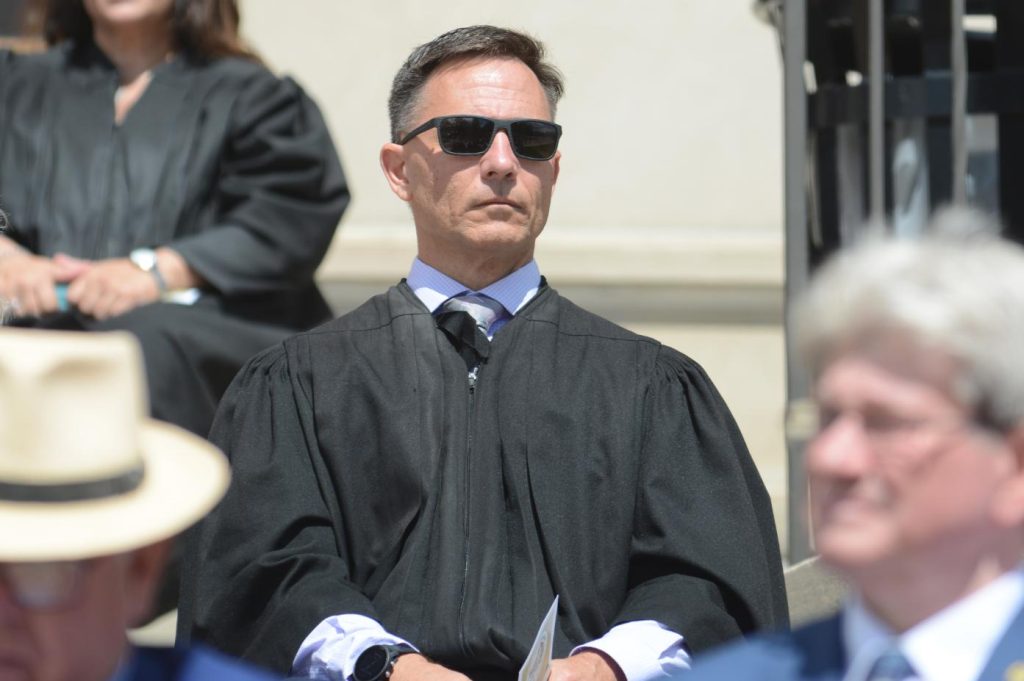
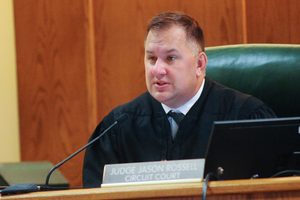
(File Photo by Kevin Mathewson, Kenosha County Eye)
“The dignity of a wise and righteous judge needs not the artificial safeguarding which is a heritage of the old days when if dissent found a tongue the public executioner cut it out. The Bench will be sufficiently respected when it is no longer a place where dullards dream and rogues rob . . . That the corrupt practices in our courts of law be uncovered to public view, whenever that is possible, by . . . the press.”
— Ambrose Bierce
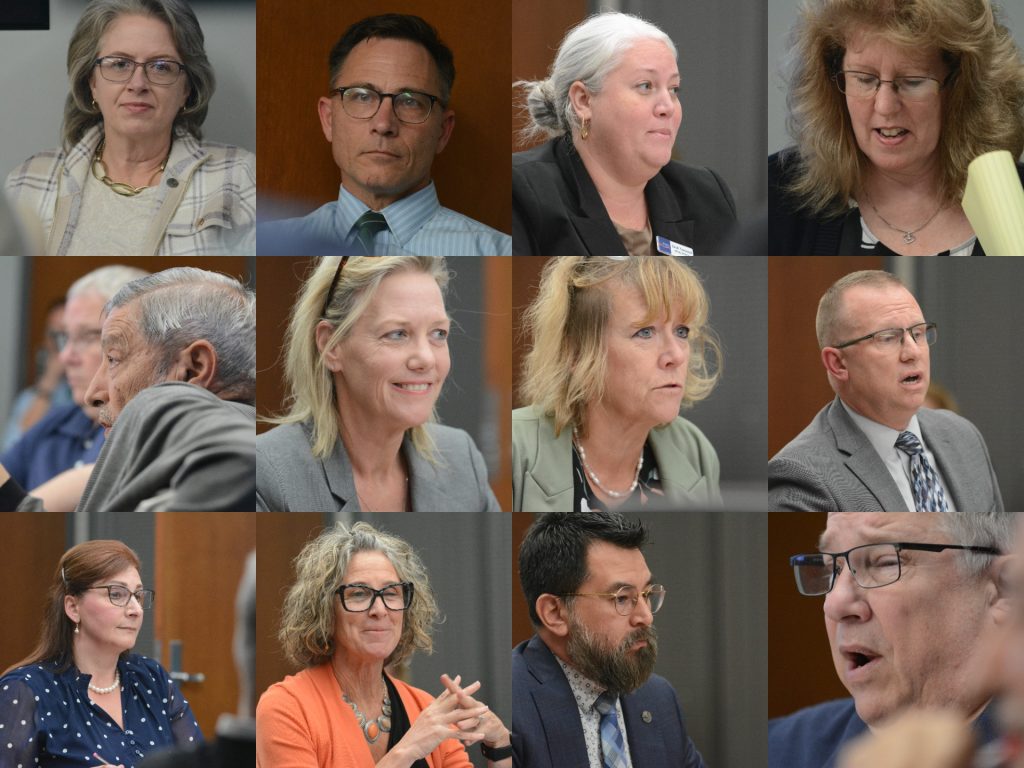
KENOSHA, Wis. — The Kenosha County District Attorney’s Office has declined every criminal charge referred against Kenosha County Eye editor Kevin Mathewson following an extraordinary Wisconsin State Capitol Police investigation prompted by complaints from Kenosha County Circuit Court Judge Chad Kerkman (D).
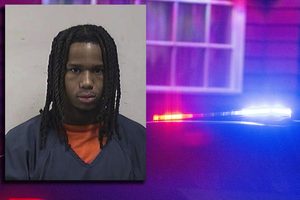
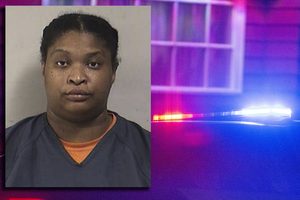
The investigation, which involved Wisconsin State Capitol Police Sgt. Tammy L. Johnson and Detective Bryn Callen-Blank, ultimately resulted in a referral asking prosecutors to consider felony stalking, harassment and unlawful use of a computerized communication system. After reviewing the police reports, evidence, and a detailed response from Mathewson’s attorney, the Kenosha County District Attorney’s Office declined every referred criminal charge.
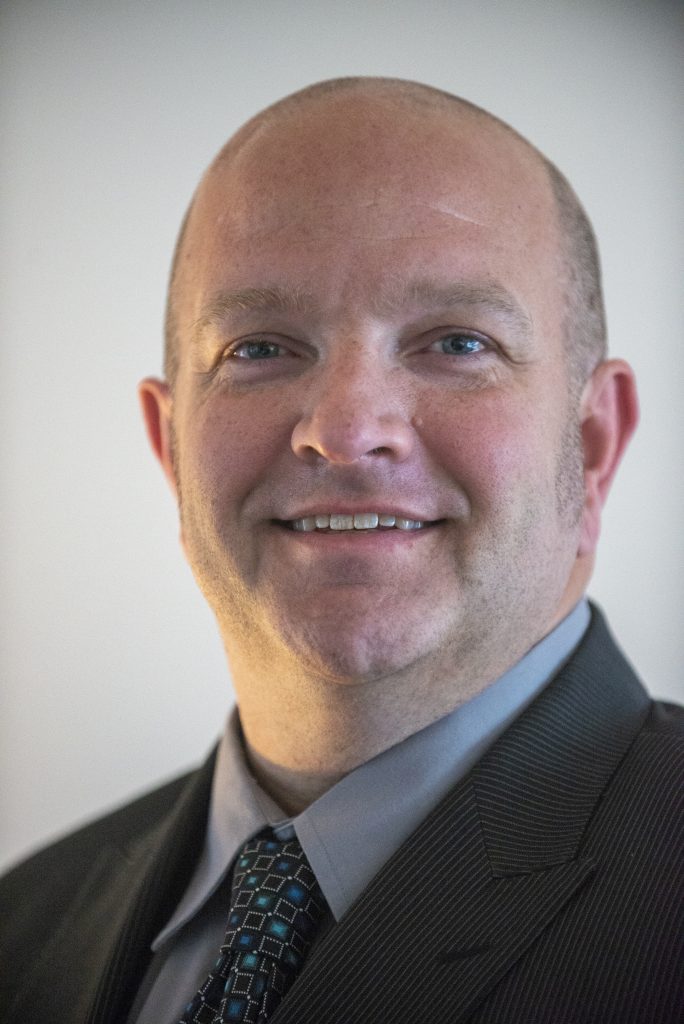
In a detailed nine-page declination letter, the DA’s office found that conduct at the center of the referral included legitimate journalism, political speech, public-records activity, attendance at public meetings, and constitutionally protected newsgathering.
“The State cannot transform protected speech, newsgathering, public-records activity, or criticism of a public official into stalking merely because the speech is harsh, persistent, embarrassing, offensive, or unwelcome,” the DA’s office wrote.
The office also cited Wisconsin’s ethical rules for judges: “Upon reviewing SCR 60.03(1), this Office recognizes that a judge must expect to be the subject of constant public scrutiny.”
And perhaps most pointedly: “The First Amendment was designed to protect criticism of government, not merely speech approved by government.”
Mathewson was never arrested or criminally charged.
Critical Reporting, Courthouse Journalism, and Public Meetings
Kerkman complained extensively about articles criticizing his judicial decisions and conduct but Mathewson’s criticism was hardly unique to Kerkman. KCE has published extensively about numerous judges, prosecutors, court commissioners, and other public officials. Records compiled in response to the referral showed that Kerkman had actually received less coverage than several of his judicial colleagues.
The DA’s office found that criticism of a sitting judge and reporting about the performance of his public duties remain at the core of the First Amendment and that unfavorable or personally offensive reporting does not lose its legitimate journalistic or political purpose.
Kerkman also complained about Mathewson’s repeated presence in the courthouse, the very place where Mathewson does much of his work as a journalist. Mathewson attends proceedings, photographs defendants and court activity, reviews records, speaks with attorneys and sources, and gathers information for publication. Kerkman never alleged that Mathewson entered his courtroom during the relevant period.
As the DA’s Office noted, every citizen is permitted to be in the courthouse and courtrooms for any legal reason and doesn’t need any explanation.
Fear, Paranoia or Strategic Exaggeration?
The allegations went far beyond disagreements over Mathewson’s articles.
Kerkman told investigators that he no longer enjoyed his job because of Mathewson and estimated that 10% to 20% of his workday was consumed by records requests. At the high end, that would amount to roughly one workday out of every five. Mathewson recalls submitting only about six or seven records requests concerning Kerkman during the preceding year. Kerkman is up for reelection this coming April, raising an obvious question about whether he will seek another term after telling investigators that he no longer enjoys the job.
Kerkman described becoming fearful when unknown vehicles passed his home and worried that Mathewson could arrive and cause harm or death. He raised fears involving guns based solely upon social-media statements Mathewson made during the 2020 Kenosha riots, years before the Kerkman dispute and not directed at Kerkman. The documents identify no threat of any kind by Mathewson toward Kerkman.
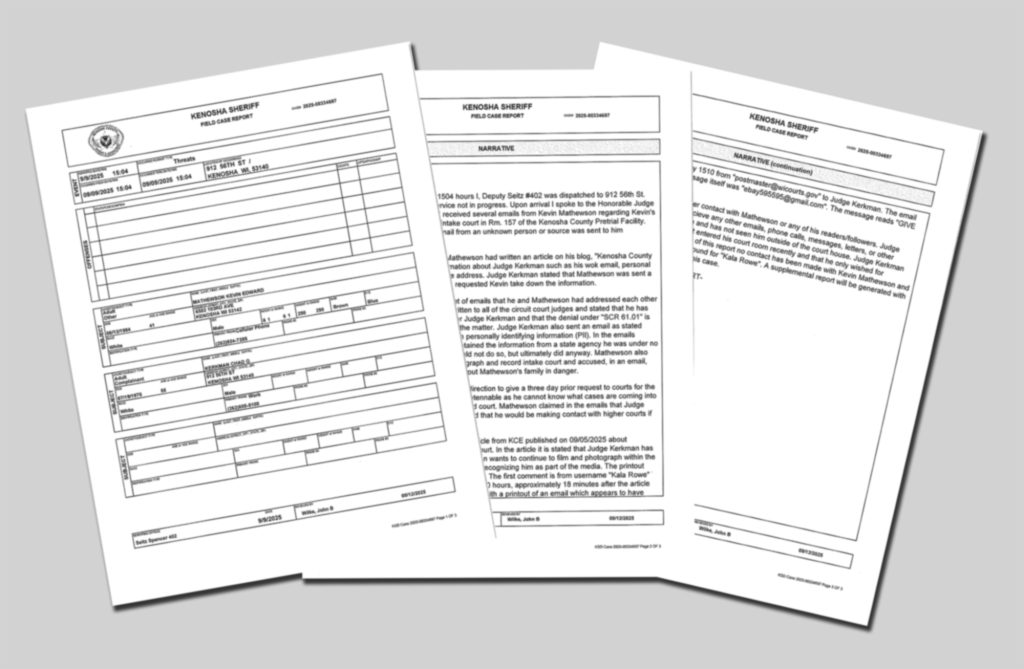
Yet the original September 2025 Kenosha County Sheriff’s Office encounter was dramatically milder. The Sheriff’s Office documented Kerkman’s complaint in a report but took no law-enforcement action against Mathewson. At that point, Kerkman reportedly said he had experienced no further contact with Mathewson or his readers, had received no additional communications, had not seen Mathewson outside the courthouse and simply wanted Mathewson to “knock it off.” Seemingly unhappy with that result, Kerkman escalated the matter by contacting Wisconsin State Capitol Police. Later materials escalated the dispute into alleged stalking, implied threats, feared death, and even an alleged “active surveillance network.”
That “surveillance network” allegation arose because Mathewson, a courthouse reporter with confidential sources, was sometimes able to report on courthouse activity that Kerkman did not want uncovered. But the investigative materials identified no surveillance equipment, intercepted communications, or any other electronic surveillance. Kerkman is widely regarded among KCE’s courthouse sources as the least-liked judge on the Kenosha County bench, and KCE receives more tips about Kerkman than any other local judge. Against that backdrop, it is hardly surprising that people familiar with courthouse activity would provide information to a news outlet that regularly reports on the judiciary. Kerkman nevertheless claimed Mathewson’s ability to quote conversations implied an “active surveillance network” that caused Kerkman to fear for his safety.
The breadth of the alleged stalking evidence was remarkable. Kerkman complained about KCE referring to a 17-year-old defendant charged with possessing child pornography as a “man.” Seventeen-year-olds accused of crimes are automatically prosecuted as adults under Wisconsin criminal law. Yet the terminology dispute was included in Kerkman’s stalking timeline under a section explicitly labeled “EMOTIONAL DISTRESS OR TO FEAR BODILY INJURY OR DEATH.” Kerkman also complained about KCE identifying him as a democrat or using “(D)” after his name. He is a far-left democrat. He doesn’t dispute that. That, too, became part of the material advanced in support of the stalking allegations.
The investigation also characterized KCE reporting about Kerkman’s “former spouse” as involving private family dynamics. His former spouse is Kenosha County Executive Samantha Kerkman, an elected public official who previously served approximately 22 years in the Wisconsin Legislature.
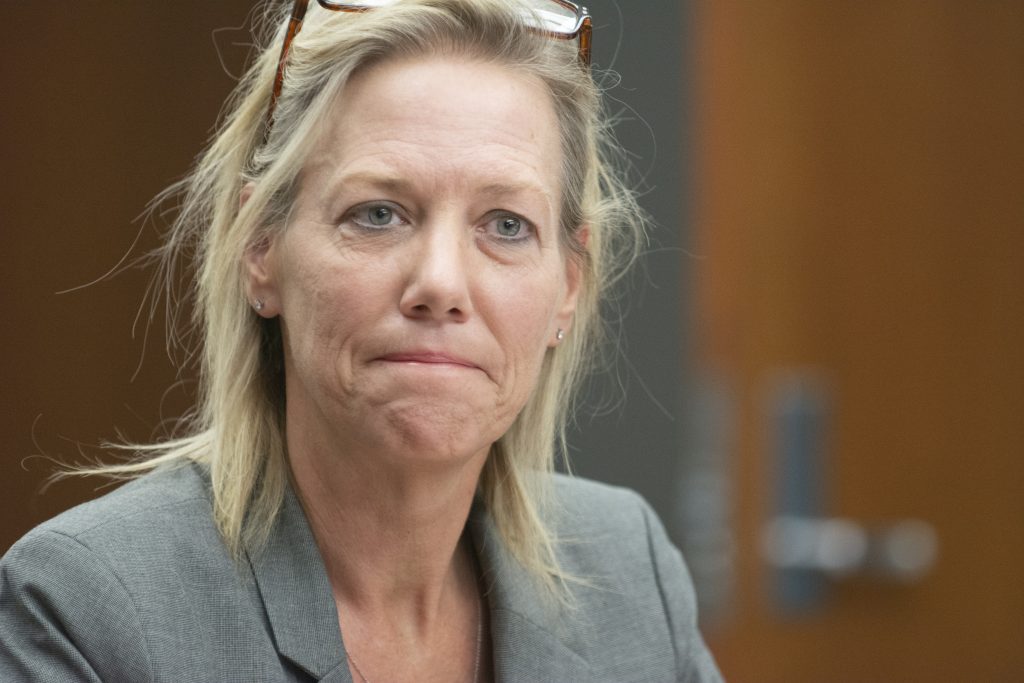
(File Photo by Kevin Mathewson, Kenosha County Eye)
Sexuality Allegations and a Proposed Hate-Crime Enhancement
The investigation took an even more extraordinary turn when Capitol Police contemplated enhancing the stalking allegation based on hate-crime or victim-targeting provisions.
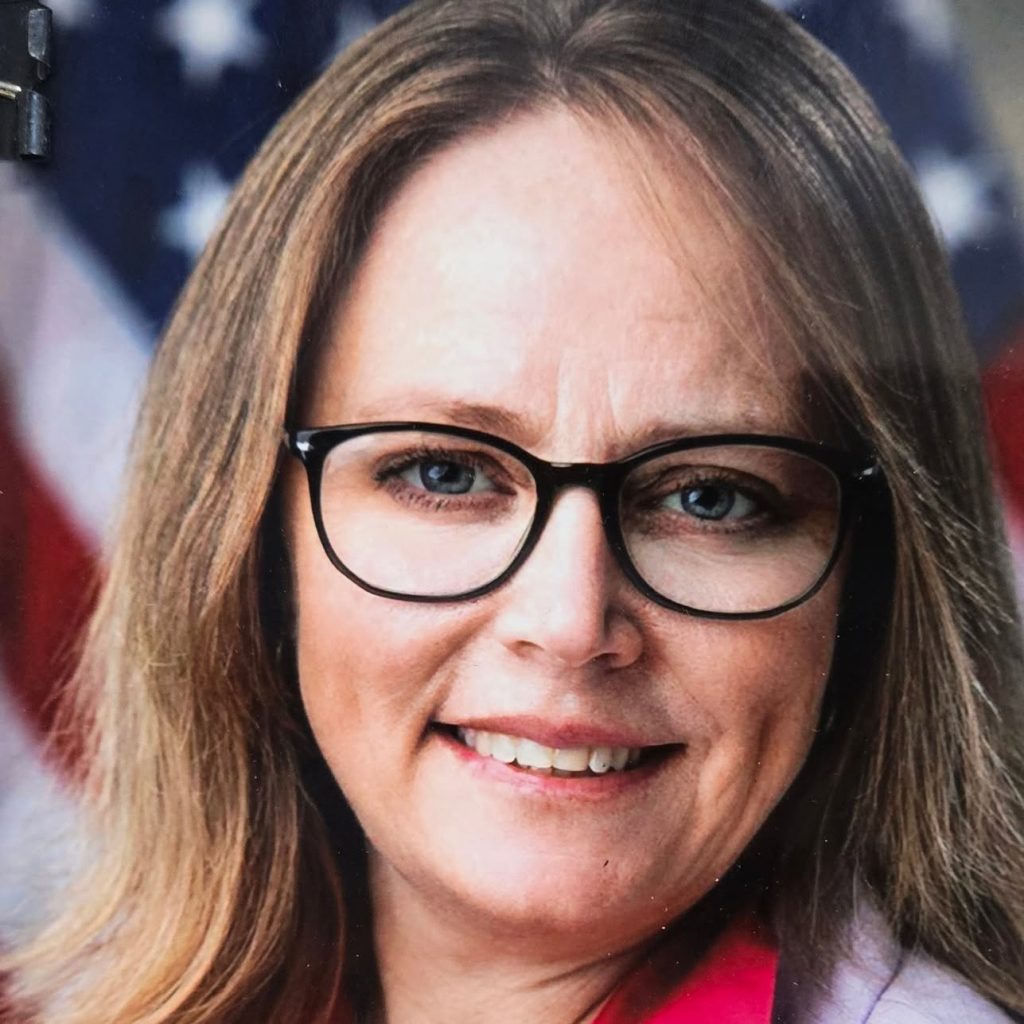
(Campaign Facebook)
Sgt. Johnson, a once-failed political candidate, expressly listed “Stalking (with Hate/victim targeting enhancement if applicable)” among the recommended charges. The report, however, did not identify what protected characteristic police believed could justify such an enhancement.
The investigative file repeatedly discussed Kerkman’s perceived sexual orientation. Kerkman told investigators that members of his own family contacted him asking whether he was a homosexual based on photos re-posted by KCE. He characterized sexuality-related posts as especially hateful and degrading, and Kerkman placed those matters prominently among the causes of his claimed fear and emotional distress.
Mathewson says he never stated or insinuated that Kerkman was homosexual, and KCE does not know Kerkman’s sexual orientation. The investigative documents likewise do not establish it.
The police report also does not expressly say that perceived sexual orientation was the basis for the proposed hate-crime enhancement. However, its repeated focus on perceived sexual orientation, coupled with the recommendation for a hate-crime or victim-targeting enhancement, raises the obvious question of whether that was the theory Capitol Police contemplated. The documents reviewed by KCE identify no other protected characteristic investigators believed Mathewson had targeted.
Kerkman has also publicly identified himself as an LGBTQ ally, according to material reviewed by KCE. Being gay is, of course, not shameful.
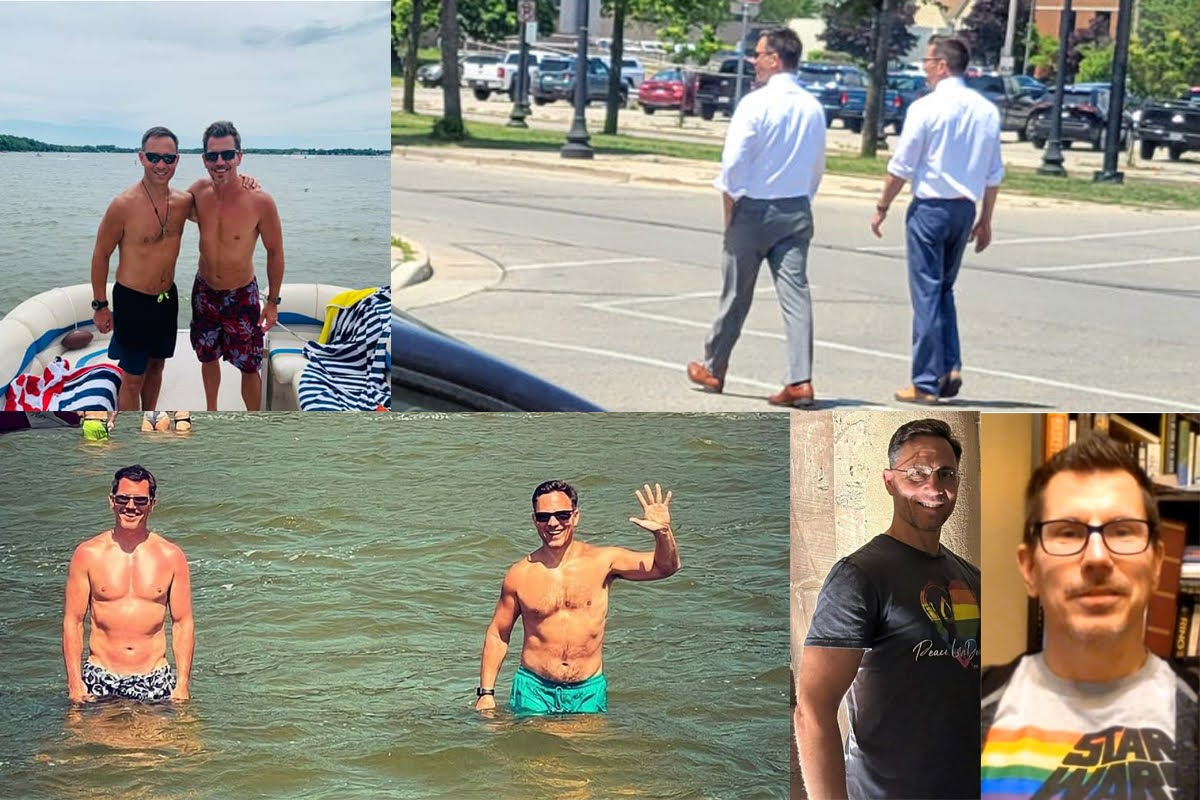
Just a Couple of Bros Hanging Out (Both also LGBTQ Activists)
Photos Of Kerkman and a Prosecutor Became Part Of The Case
Kerkman also repeatedly complained about photographs depicting himself and prosecutor T. Clair Binger topless, at a lake, and walking together on a public street.
The terminology changed as Kerkman described those photographs. In one timeline entry, he expressly identified the people as “Mr. Binger and me.” In a later entry, he described himself more generically as being photographed “with another man” and “walking down the street with a man.”
Capitol Police questioned why those photographs were journalistically relevant. Mathewson’s attorney explained that they related to reporting about the relationship between a sitting judge and a prosecutor who practices within the same justice system, including questions concerning conflicts or bias. In other states, judges have been disciplined for posting photos with other attorneys in social settings.
Kerkman repeatedly complained about Mathewson using his official judicial email address and asserted that it was “not for public use.” KCE is aware that Kerkman has used that same official government email address to communicate with other media outlets, purported media outlets, and private citizens. Mathewson has corresponded with the other seven judges numerous times via their work emails without a single complaint.
Kerkman’s requested restrictions reveal just how far he wanted a possible criminal case to reach. Kerkman himself sought to have Mathewson prohibited from entering the Kenosha County Courthouse and from publishing further articles about him. The courthouse restriction would have effectively prevented a working courthouse journalist from attending and reporting on public proceedings.
Those demands raise an unavoidable question: was silencing KCE’s critical reporting the objective all along? Kerkman repeatedly complained to police about Mathewson’s articles, sought criminal charges against their author, sought to keep him out of the courthouse where he gathered much of his news, and sought to stop him from writing about Kerkman altogether.
Detective Bryn Callen-Blank ultimately sought the same extraordinary restriction. In her Capitol Police report, she expressly requested that Mathewson be prohibited from publishing future coverage of the elected judge: “We are asking for Mathewson to have no contact with Judge Kerkman and not to publish articles about Judge Kerkman.”
Whether silencing Mathewson’s reporting was Kerkman’s motive from the outset is something only Kerkman can answer. But the progression is unmistakable: complaints about critical articles became a criminal investigation; the investigation produced an attempt to exclude the journalist from the courthouse; and both Kerkman and Callen-Blank ultimately sought to stop Mathewson from publishing additional coverage of the judge.
Video Evidence Contradicted a Central Allegation
Perhaps the most consequential factual dispute involved an October 27, 2025, Kenosha County Board Finance Committee meeting.
Kerkman described himself as sitting at the meeting “as a member of the public.” Yet in the same account, he said Clerk of Circuit Court Rebecca Matoska-Mentink had asked him to attend while she presented her budget so that Kerkman could answer questions directed to a judge. The second explanation made his presence there in an official capacity, and therefore photographing him, particularly newsworthy. The meeting itself was publicly photographed, video recorded, and livestreamed.
Kerkman alleged that Mathewson waited for him, followed him into the meeting, and moved around the room to continue photographing him.
The Kenosha County District Attorney’s Office independently reviewed the meeting video. Its review did not corroborate the allegation that Mathewson waited for Kerkman or followed him. The video instead showed the two on opposite sides of the room. Kerkman left first. Mathewson remained for approximately another 20 minutes and continued photographing other people.
Whether Kerkman realized when he made his allegations that the entire public meeting had been preserved on video is unknown.
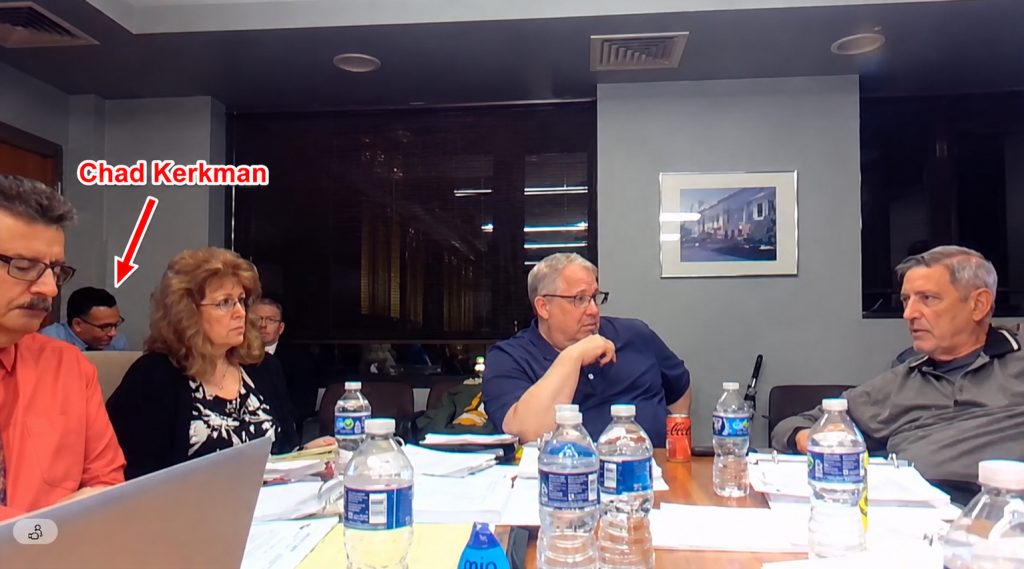
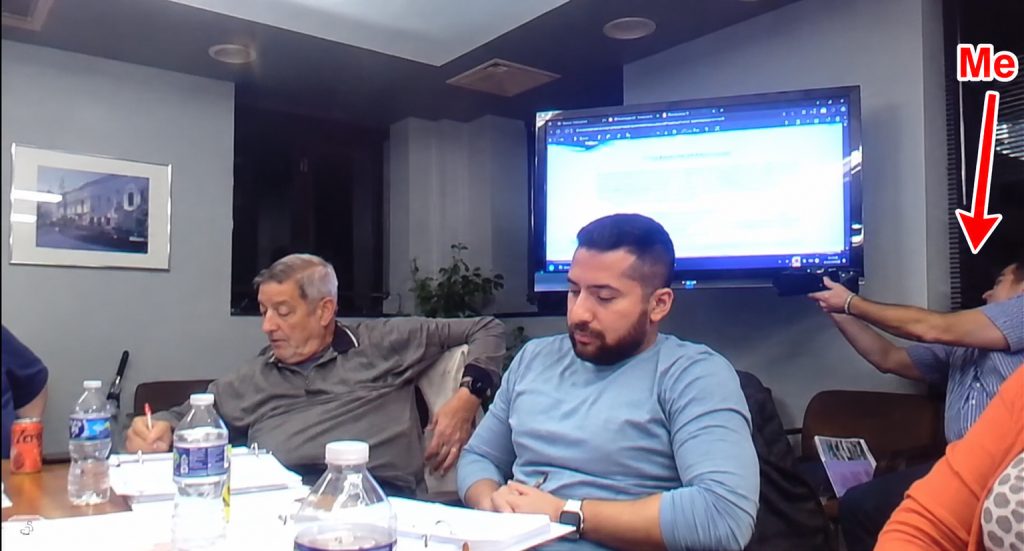
“Put plainly, the judge lied,” Mathewson said. “I did not follow him around that room like he told police I did. The video evidence corroborates my account, not his. I am very alarmed that a sitting member of the judiciary would make false statements to a police agency in an effort to silence one of his critics.”
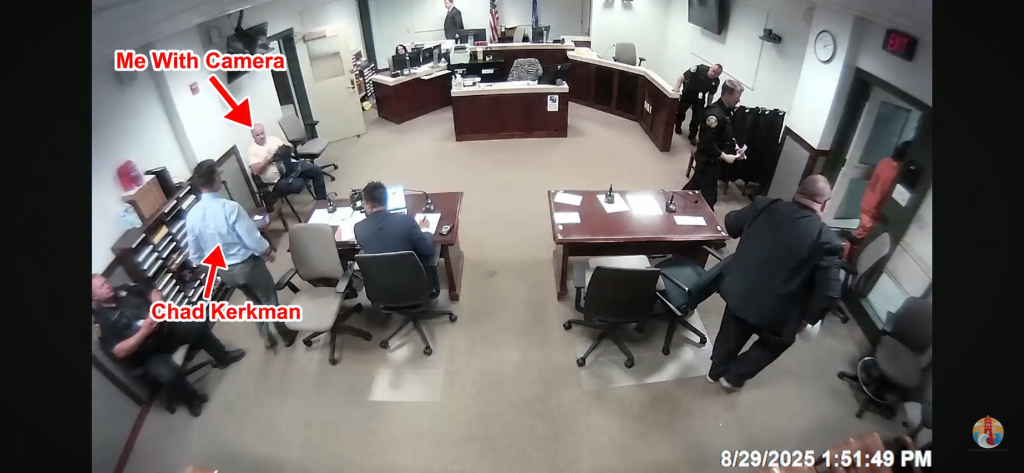
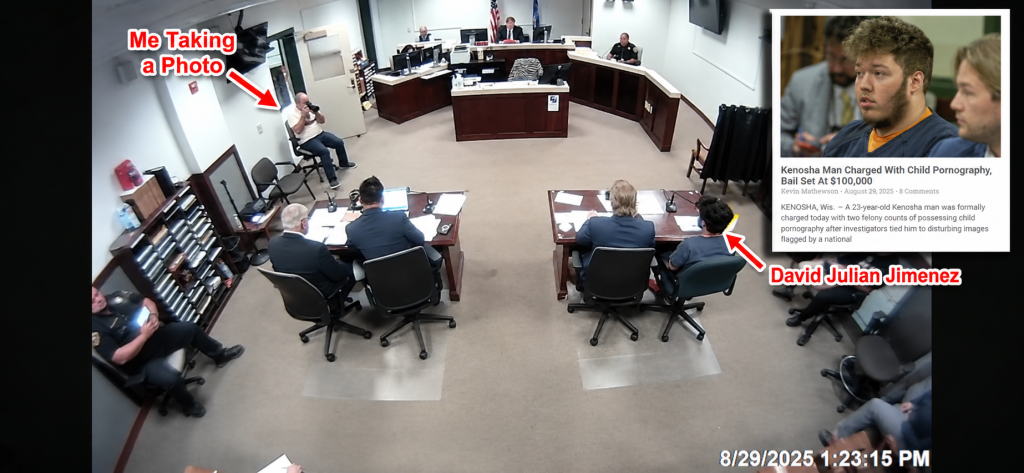
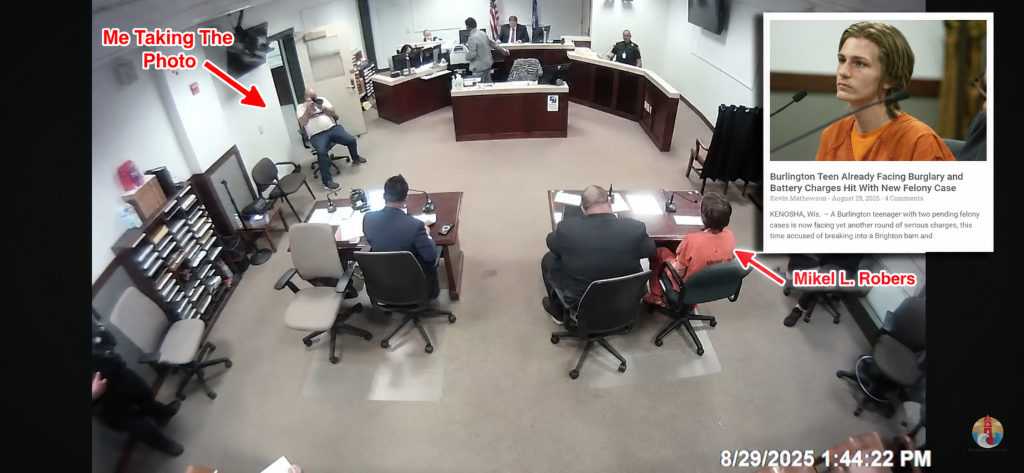
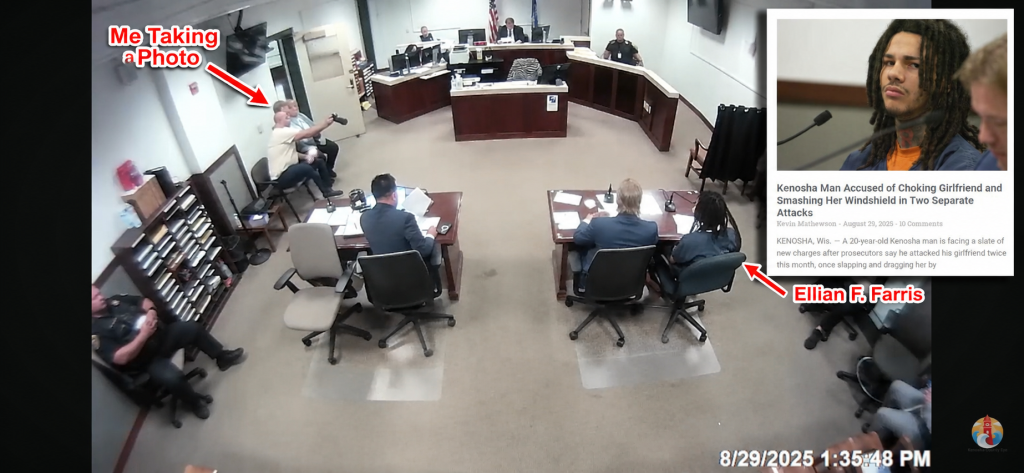
Another allegation can be tested against contemporaneous visual evidence. For August 29, 2025, Kerkman wrote that legitimate news media should limit their time in court to specific, predetermined cases. But that conception of public court access is fundamentally at odds with how open courtrooms function. Members of the public routinely sit through open court proceedings, and some local residents spend hours watching court simply because they choose to do so. A journalist does not have fewer rights to occupy an available public seat simply because he has not decided in advance which case will become newsworthy. Particularly in intake court, the newsworthiness of a criminal charge, defendant, prosecutorial decision or bail ruling may not become apparent until the proceeding actually occurs. Kerkman’s predetermined-case expectation is therefore poorly matched to the realities of both open courts and courthouse reporting.
Kerkman also described Mathewson wearing jeans and a T-shirt, claimed he had no camera or notebook and portrayed him as simply “hanging out” without a legitimate reason. But contemporaneous imagery shows Mathewson visibly holding a camera as Kerkman walked past him. Mathewson also photographed other people that day.
“Kerkman lied to the police…again…to have a critic imprisoned,” said Mathewson. “Kerkman is a liar and shouldn’t be a judge,” he continued. “I’m pleased I got this footage before the Sheriff’s Office stopped recording this courtroom at the request of Kerkman.”
Sheriff’s Officials Continued Feeding Information Into Investigation
The records also document what became a feedback loop between KCE’s reporting and records requests and the continuing criminal investigation.
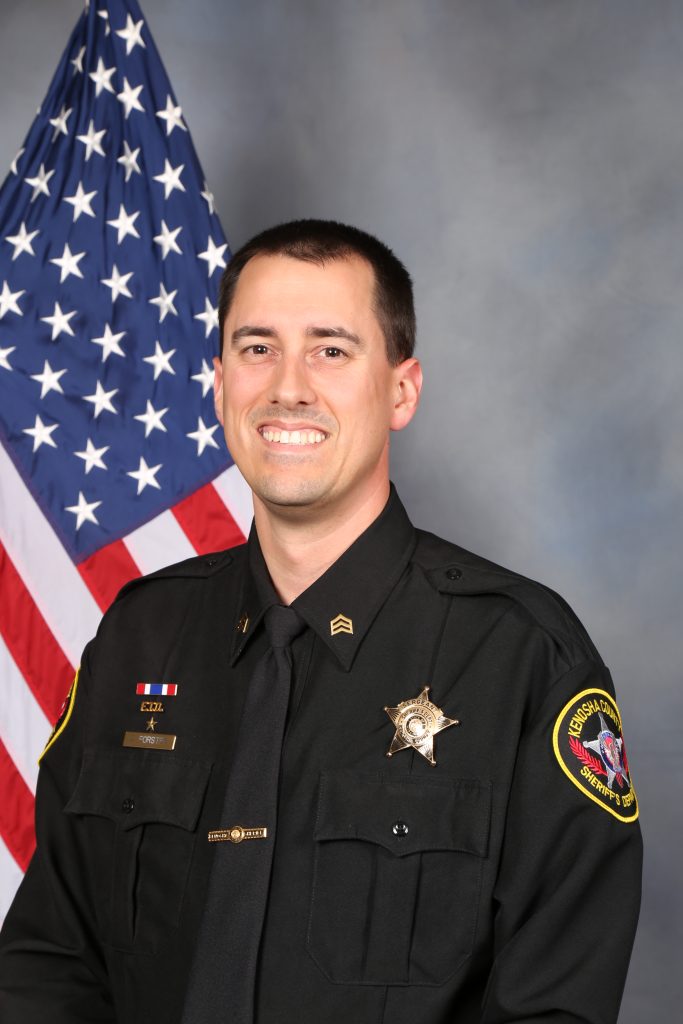
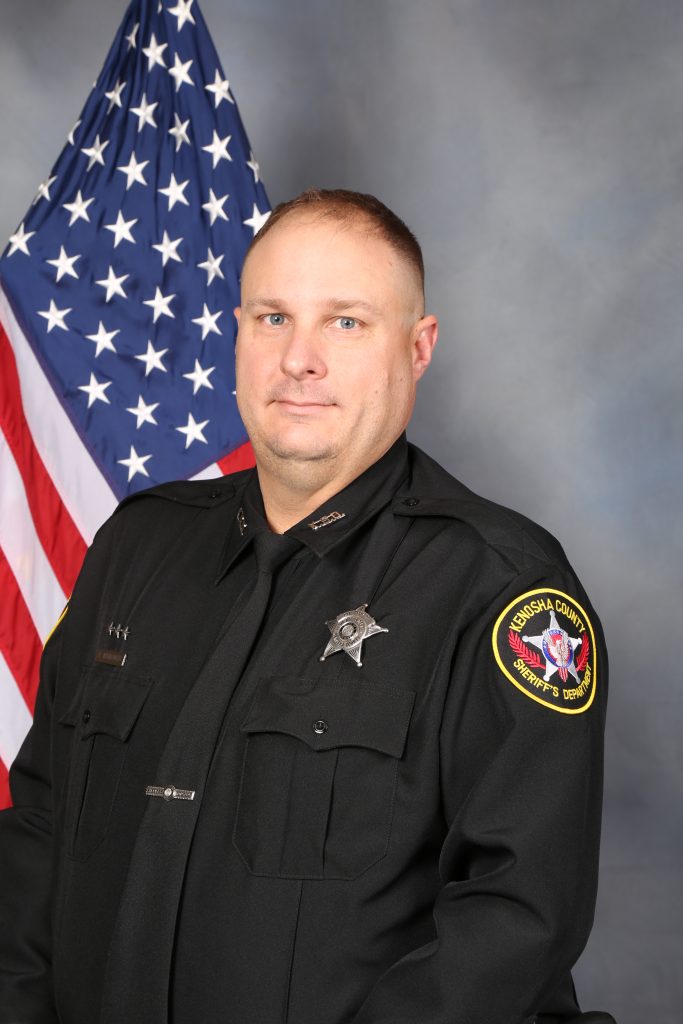
Sgt. Johnson reported speaking with Kenosha County Sheriff’s Office Lt. Ryan Markowski several times. Lt. Chase Forster, a Zoerner loyalist, later contacted Johnson after denying one of Mathewson’s records requests and seeing KCE’s resulting article. Forster supplied the denial, sent the article, and offered further assistance to the investigation. The Sheriff’s Office also notified Kerkman about Mathewson requesting extra-patrol records, which Kerkman then forwarded to Johnson. Markowski is on admin leave for alleged misconduct and is not expected to return to work.
In other words, KCE sought government records or published reporting; law-enforcement officials notified Kerkman or Capitol Police; and those acts of newsgathering themselves became additional material in the continuing criminal file.
A ‘Rogue Detective’ a ‘Rogue Sergeant’ and Another Sweeping Felony Stalking Referral
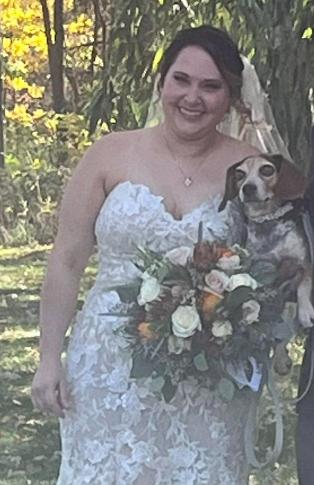
Mathewson has sharply criticized Capitol Police Sergeant Tammy Johnson and Detective Bryn Callen-Blank’s handling of the investigation and describes them as a “rogue keystone cops.” That characterization is Mathewson’s opinion.
(facebook.com)
Callen-Blank was previously involved in another high-profile Capitol Police investigation that resulted in a sweeping criminal referral involving Wisconsin State Rep. Sylvia Ortiz-Velez (D-Milwaukee). The recommended offenses included felony stalking, harassment, and other charges.
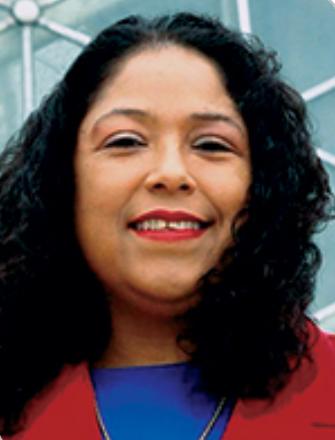
The Milwaukee County District Attorney’s Office did not adopt that sweeping charging recommendation. The felony stalking referral was not charged.
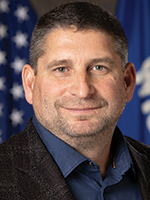
The Capitol Police investigation also drew criticism from Wisconsin State Rep. Jim Piwowarczyk (R-Town of Erin), a former police officer and co-founder of the news outlet Wisconsin Right Now. After learning in July that Capitol Police had referred the case for prosecution, Piwowarczyk questioned why the agency was devoting its resources to cases like Mathewson’s.
“It’s very interesting that the Capitol Police appear to have nothing better to do than pick up these cases,” Piwowarczyk wrote in a July 29 email to Mathewson, adding that it raised questions about the additional funding the agency has sought.
In Mathewson’s case, the Kenosha County District Attorney’s Office declined every criminal charge referred for prosecution.
First Amendment Alive and Well
The records leave open whether Kerkman’s expressed fears were entirely genuine, whether ordinary journalism was interpreted through an increasingly fearful lens, or whether the allegations were strategically exaggerated in an effort to obtain criminal charges and restrictions. What the documents establish is that public-records requests, courthouse reporting, confidential-source information, photography at a livestreamed public meeting, and use of an official government email address were progressively reframed as evidence of stalking, surveillance, and implied violence.
The Kenosha County District Attorney’s Office ultimately concluded that prosecutors could not prove beyond a reasonable doubt that Mathewson’s alleged course of conduct lacked a legitimate purpose, could not prove that his constitutionally protected conduct fell within Wisconsin’s stalking statute, and could not establish the necessary elements of the other referred offenses.
Every criminal charge was declined.
“My name has been cleared,” Mathewson said. “The First Amendment is alive and well in Kenosha County. I’m glad the District Attorney’s Office looked at the evidence, listened to reason and refused to turn journalism into a crime. Judges are free to dislike what journalists write about them. They are not free to use the criminal justice system to silence their critics. I was also alarmed to hear former Commissioner Michel say that Kerkman is ‘obsessed with [me].’ Maybe I’m the one who should be concerned for my life.”






28 Responses
Kevin wins! AGAIN!
Chad loses! AGAIN!
When, Chad, are you going to learn?
Another epic eternal battle between Good and Evil and the Roadrunner and Coyote.
Idiot Kerkman, never learns — Beep-Beep!
Paranoid and delusional.
This man is obviously not thinking straight if he thought these complaints would lead to his critic being thrown in prison.
The question why he is paranoid and delusional?
Has he always been this way?
He acts like he has a lot of dirt to hide.
Anonymous: History has proven that garden variety outed homosexuals are emotionally character weak people prone to micro-triggered overreactions when threatened. It’s why all prior generations have blocked or expressly forbidden them from attaining responsible positions requiring rational decisioning. In today’s culture, LGBTQs have been media elevated and given special cultural and political status equivalent to what Blacks were given over the past 60 years, resulting in the arrogant overconfidence demonstrated by the homosexual judge.
Good that there are rational DAs that will curtail Democrat Mob (and their fake R & RINO cohorts) attempts to weaponize law enforcement.
The lengths a judge and other govt employees went to, to steal your First Amendment rights, is breathtaking.
Thank God for a conservative constitutional-loving Republican DA!
Keep up the great work, Kevin.
You think you’re a free person in merica? HA
As a sitting Judge and Officer of the Court, Chad Kerkman failed to get Kevin Mathewson charged with crimes because there were No Crimes !!
The residents and voters of Kenosha County will be well served to remember this and this story if Chad Kerkman decides to seek another 6 year term next Spring in a job that he obviously doesn’t understand how to do. Imagine another 6 years of his antics if he gets elected ! Imagine nobody challenging him for this seat ! Is this what we as residents of this county want to be known for ? Electing this Clown again ?!?
The fact that as a elected sitting judge he could even think he had a case here shows to anyone that comes into his courtroom from now on, they cannot in anyway trust that they will receive a fair trial or any other correct lawful decision that might come from his bench because he just doesn’t understand people’s Constitutional Rights !! Just what else does he not understand ?!?
Chad Kerkman has shown his true colors here and is unfit for the office of which he holds. If it wasn’t for the fact that he is just months away from his next race for elected office he would be worthy of a recall effort on this episode alone.
He should immediately announce that he will not seek re-election for another term.
Any qualified candidate should consider soon if they are willing to throw their hat in the ring for this seat next spring.
Nomination petitions start in January. Less than five months from today !
Is that you ?
75 thumbs up people that will vote out Chad and only 4 down votes that will vote to keep him in.
A completely unscientific poll but definitely telling.
Now if we can only find a person who wants the job to run next Spring
If Judge Bad Jerkman no longer enjoys his job, he should look for employment elsewhere.
I love that their are losers who downvote these comments LMAO too bad, so sad!
*There,” not their. Way to teach those “losers,” though!
What a waste of tax money. Kerkman is slimy
Wow
I can see Judge Jodi Meier doing something like this to someone.
Remember this come election time and vote him OUT
HAHAHAHAHAHAHAHAHA
What a fucking tool bag Jerkman!!
Better go find Bingo to boost your ego back up.
Kevin legally exposes enemies of honest citizens and the Constitution!
I won’t be voting for Chad Kerkman in the up coming Judicial vote if he runs for that job again!!!!
Solis for Jerkman’s judge position 💪🏻
Chad Kerkman , paranoid gay bully
Kevin I don’t know how you sleep at night! Keep up the good fight
I’ve asked him many times, When does he find Time to sleep !
Kevin Mathewson !
The hardest working guy in local media today !
What did Markowski do?
Yes, we would like to know a little more about Markowsky, as well as why the other person involved has not been mentioned. There is a general perception that they should not go after him—or at least not him alone.
Cuckman doesn’t get his way. Look out.
Too many First Amendment auditors get convicted in courts where they lack resources, the skill set Kevin has. Read my expose, Domestic Terrorism: USA vs Veterans and the First Amendment. These State officials hate our Constitution and routinely refuse to recognize and understand our Common Law Rights, Liberties and Protections, which all come with personal responsibility.
Test