



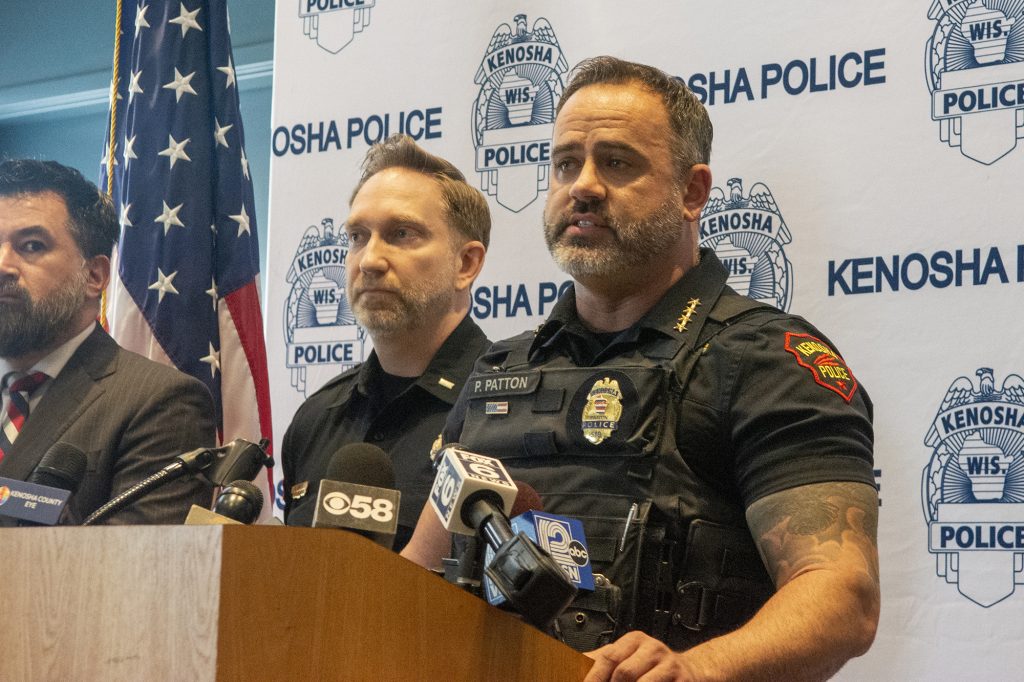
(File Photo by Kevin Mathewson, Kenosha County Eye)
KENOSHA, Wis. — Nearly 49 years after Ralph Ambrose Gianoli was found beaten and strangled to death inside his home at 5310 25th Ave., Kenosha police on Tuesday publicly laid out how preserved evidence, modern DNA testing and years of renewed investigative work led to the arrest of a Tennessee man in one of the city’s oldest unsolved homicide cases.
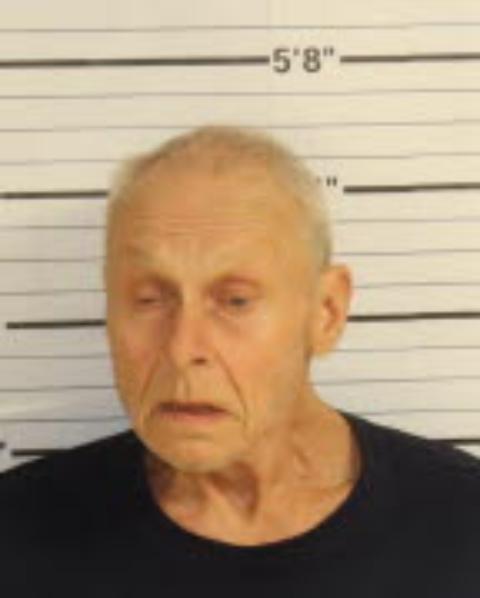
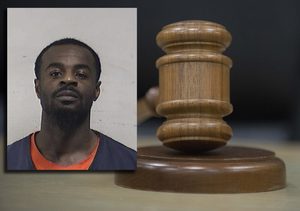
(Shelby County Sheriff)
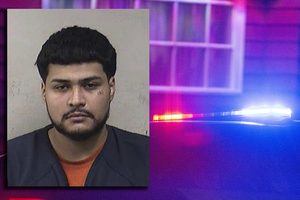
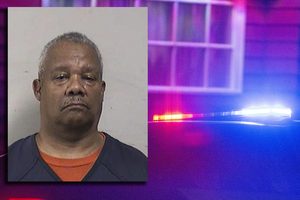
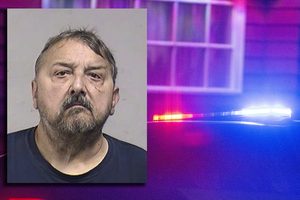
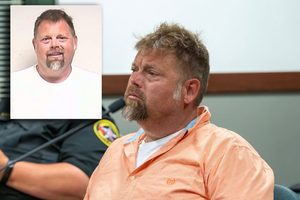
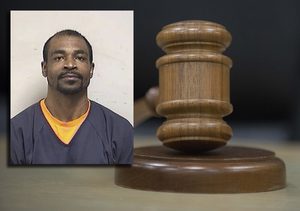
Police say James Terry Fowler, 68, was arrested Monday in Memphis, Tennessee, and is now awaiting extradition to Wisconsin in connection with Gianoli’s killing.
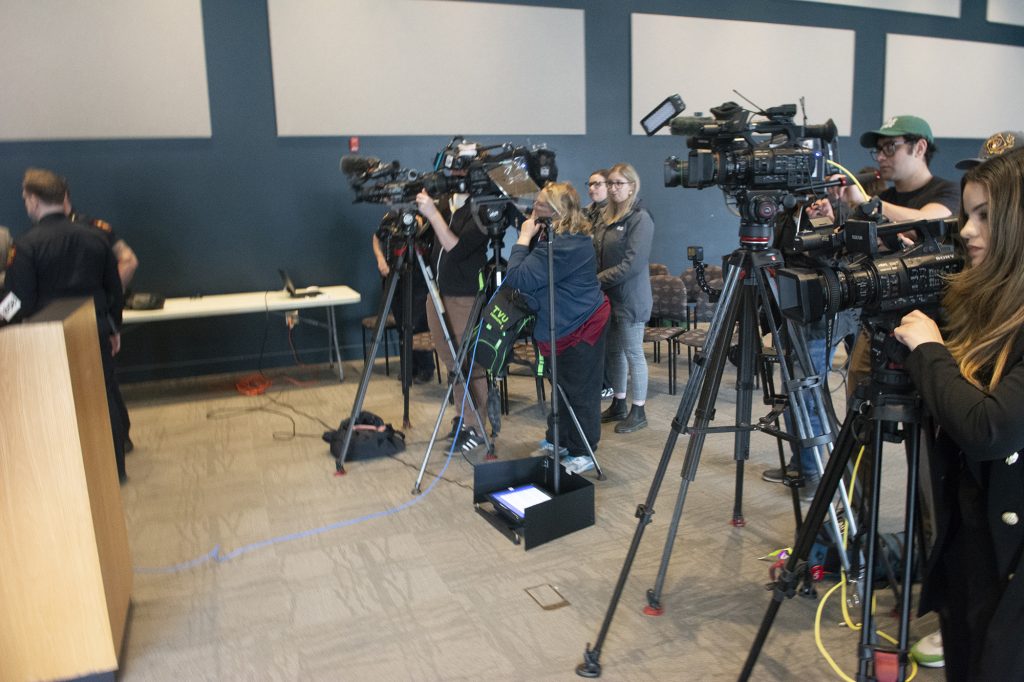
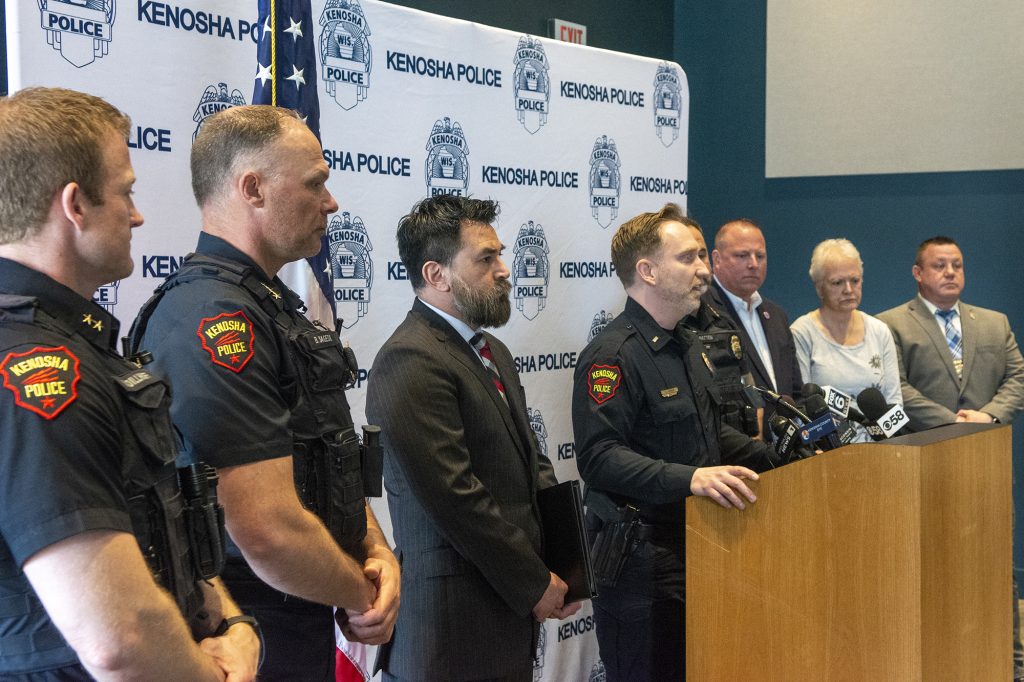
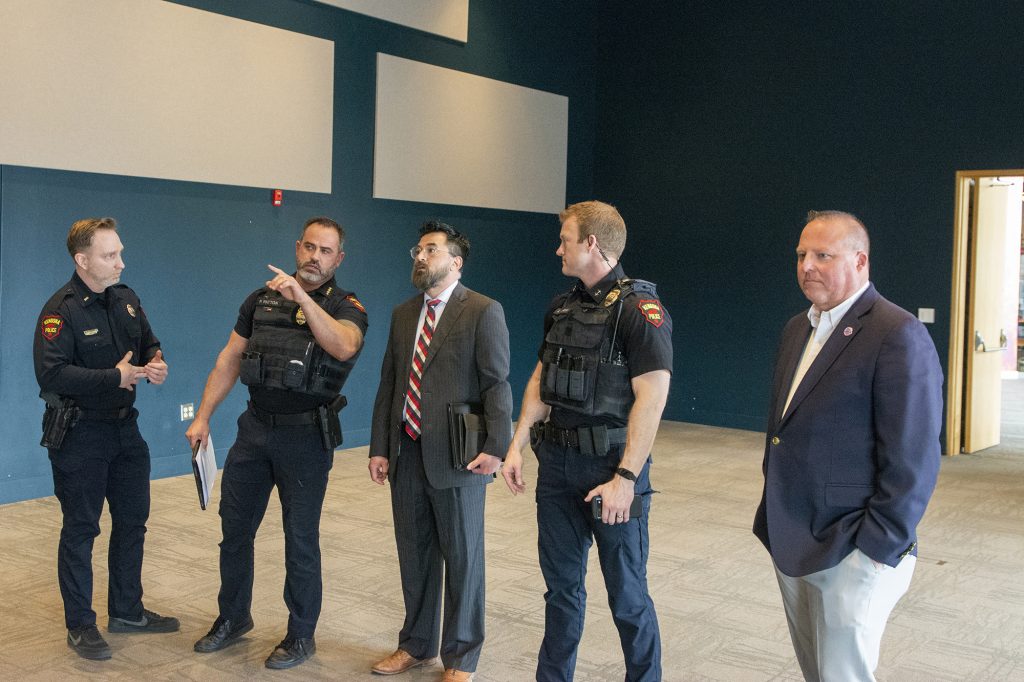
The announcement came during a 1 p.m. press conference Tuesday at the Kenosha Public Museum, where Kenosha police leaders, prosecutors and members of Gianoli’s family described the arrest as the result of decades of persistence and advances in DNA technology.
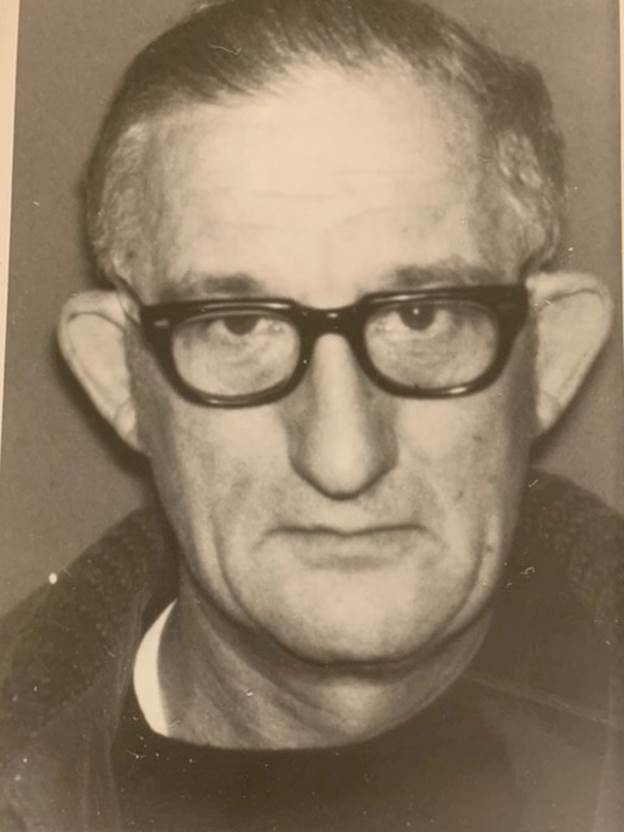
(KPD Case File)
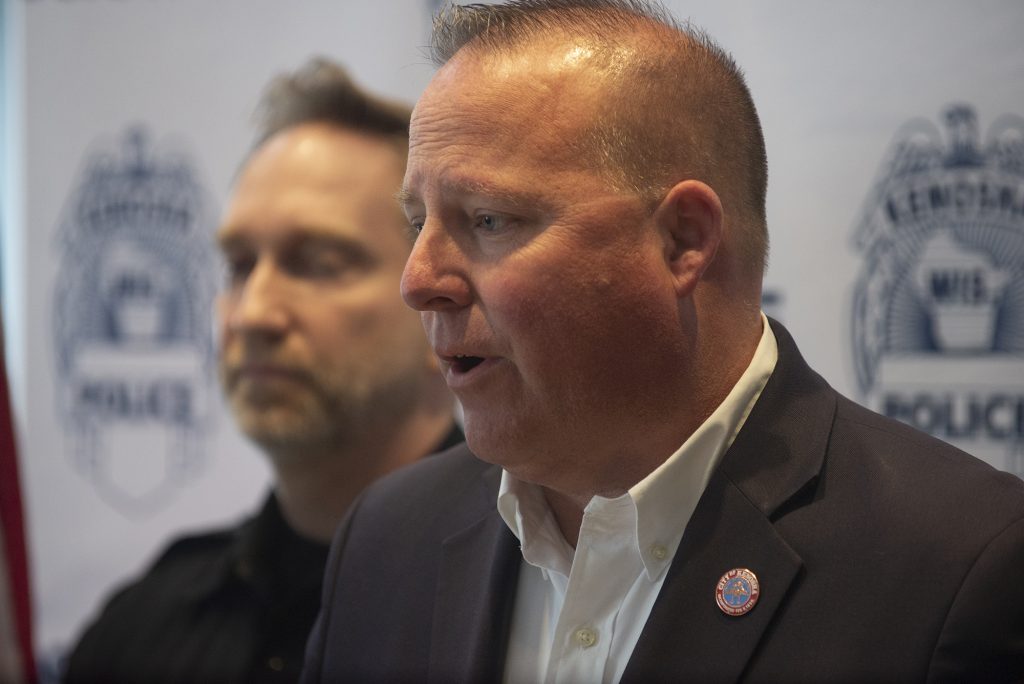
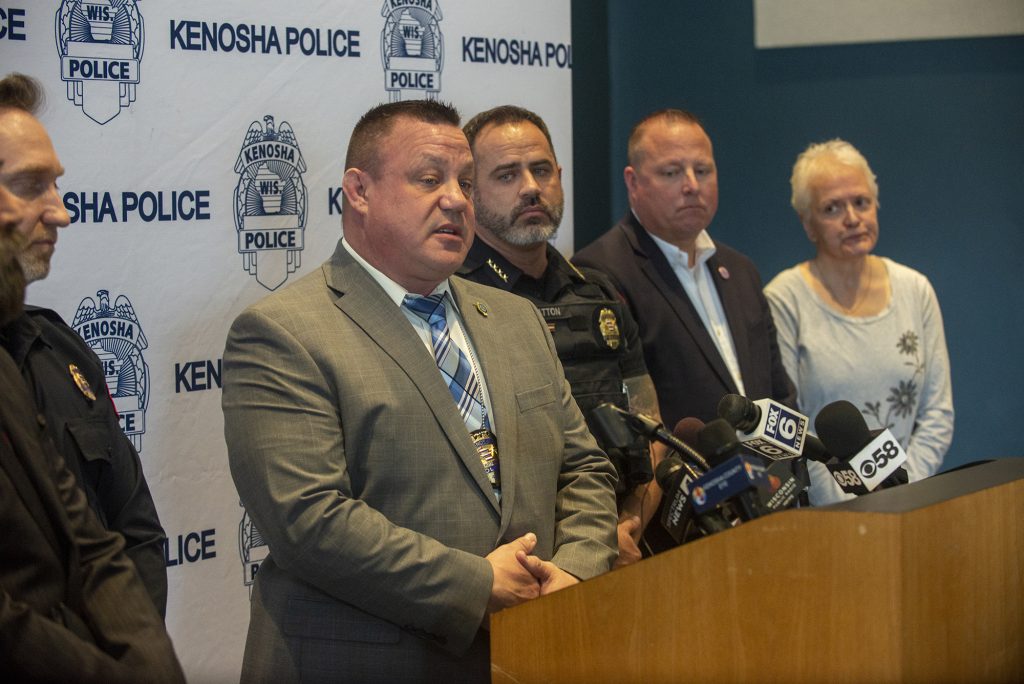
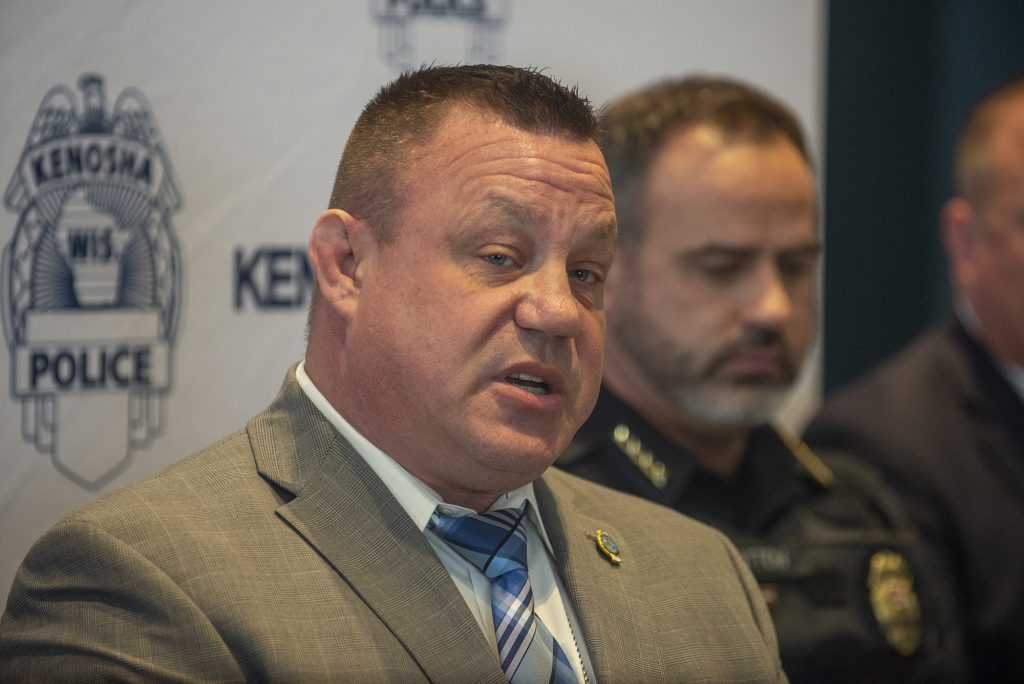
Kenosha Police Chief Patrick Patton opened the press conference by walking through the facts of the case and the long road that led to the arrest. Patton said police were first called to Gianoli’s home on Sept. 7, 1977, after a friend found him dead inside. Gianoli was 48 years old, lived in Kenosha and worked at American Motors.
Patton said officers found signs of a violent struggle throughout the residence, including blood spatter, broken bottles and overturned furniture. As had long been known from the original investigation, Gianoli had been badly beaten and strangled with the cord from a lamp. He was found face down in the living room with the electrical cord around his neck.
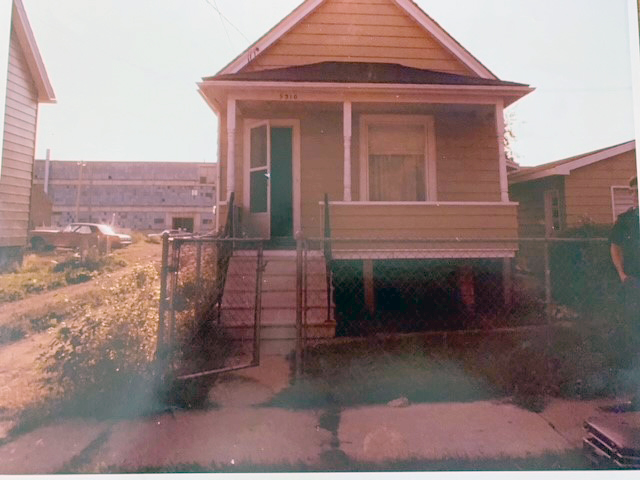
(KPD Crime Scene Photo)
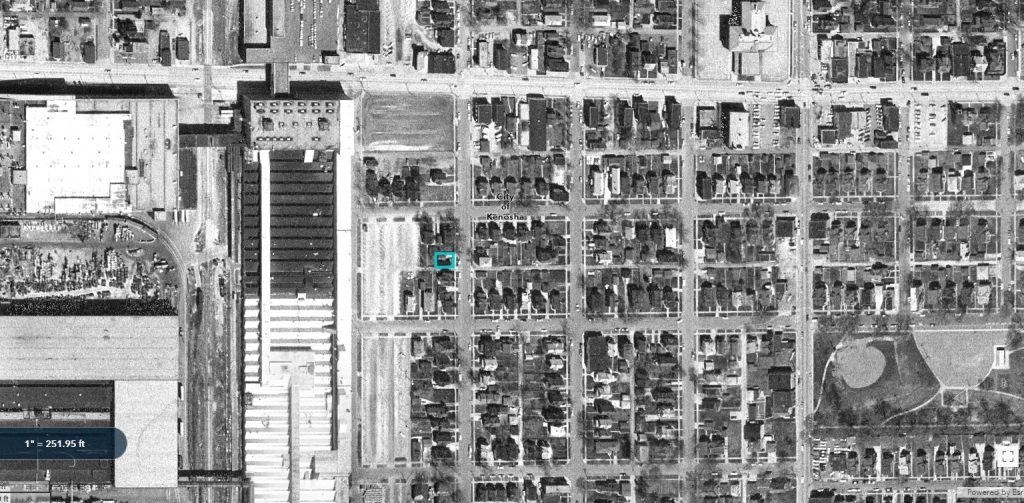
(Kenosha County Mapping)
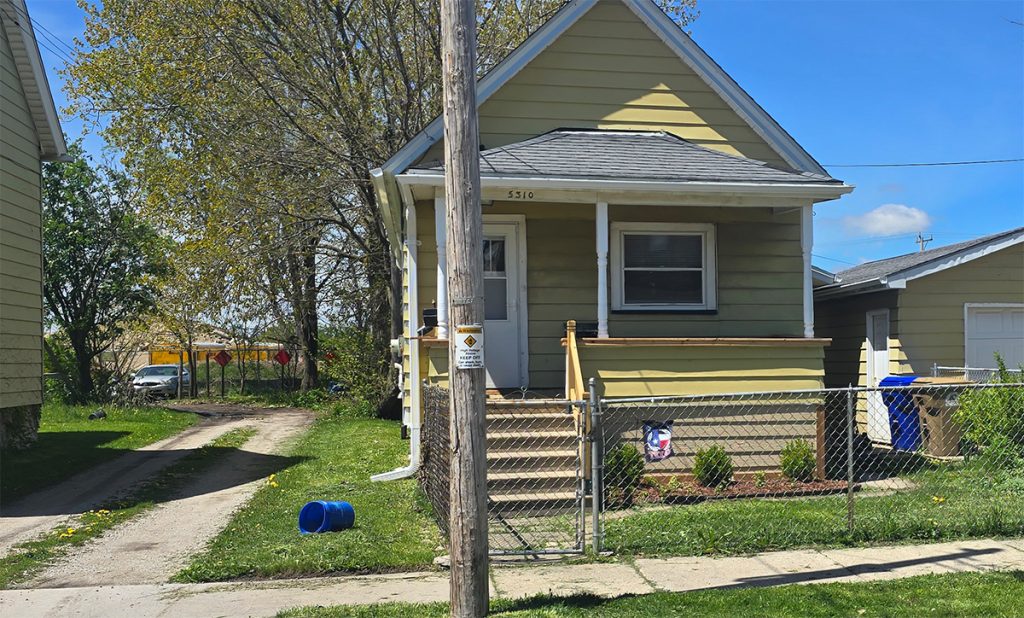
(Cell Phone Photo by Kevin Mathewson, Kenosha County Eye)

(Kenosha County Mapping)
An autopsy later determined Gianoli died from asphyxiation by strangulation, with blunt force trauma to the head and abdomen also contributing to his death.
Patton said investigators in 1977 collected numerous pieces of physical evidence, including hairs, fingernail scrapings, a wristwatch, the ligature cord and other items containing blood, glass and latent prints. Even with that evidence, detectives at the time could not establish probable cause to arrest anyone, and the case eventually went cold for decades.
According to Patton, the breakthrough came after the Kenosha Police Department’s Cold Case Unit reopened the investigation and, in 2022, partnered with the Wisconsin Department of Justice Division of Criminal Investigation and the FBI to pursue advanced DNA testing using material recovered from Gianoli’s fingernail clippings. In 2023, the Wisconsin State Crime Lab developed a partial DNA profile, which helped point investigators toward Fowler.
Patton said investigators later learned Fowler had enlisted in the U.S. Naval Reserve in April 1977 and was sent to Recruit Training Command Great Lakes, located only about 20 miles from Kenosha. He completed recruit training on Sept. 2, 1977, just days before Gianoli’s body was discovered. Investigators believe Fowler would have been on leave at the time of the killing and would have been 19 years old then.
Patton also said background research showed Fowler had later been convicted in Alabama of killing his father in 1983, though that murder conviction was later reduced to manslaughter. Investigators eventually found Fowler living in Memphis, where authorities obtained a search warrant for DNA swabs and prints. Patton said the Wisconsin State Crime Lab later determined the DNA found under Gianoli’s fingernails was consistent with Fowler, with a random-match probability of 1 in 296 trillion.
That result, Patton said, allowed Kenosha police to work with prosecutors to obtain an arrest warrant. He said Fowler was taken into custody Monday in Memphis and is now being held there pending extradition.
Patton used the moment to stress that no victim is forgotten and no case is ever truly closed until justice is served. He said the department’s commitment to seeking the truth does not fade with time and pledged that investigators will keep using every lead, every available resource and every advance in technology to pursue old cases.
(File Photo by Kevin Mathewson, Kenosha County Eye)
Mayor David Bogdala followed Patton and praised the Kenosha Police Department for continuing to pursue a case that many departments might have left buried in the past. Bogdala said the city’s officers, both current and former, showed an unwavering commitment to justice and said victims should know Kenosha police will not stop working on their behalf. He called the department one of the best-trained law enforcement agencies in Wisconsin and said public safety must be demonstrated through action, not slogans.
(Photo by Kevin Mathewson, Kenosha County Eye)
(Photo by Kevin Mathewson, Kenosha County Eye)
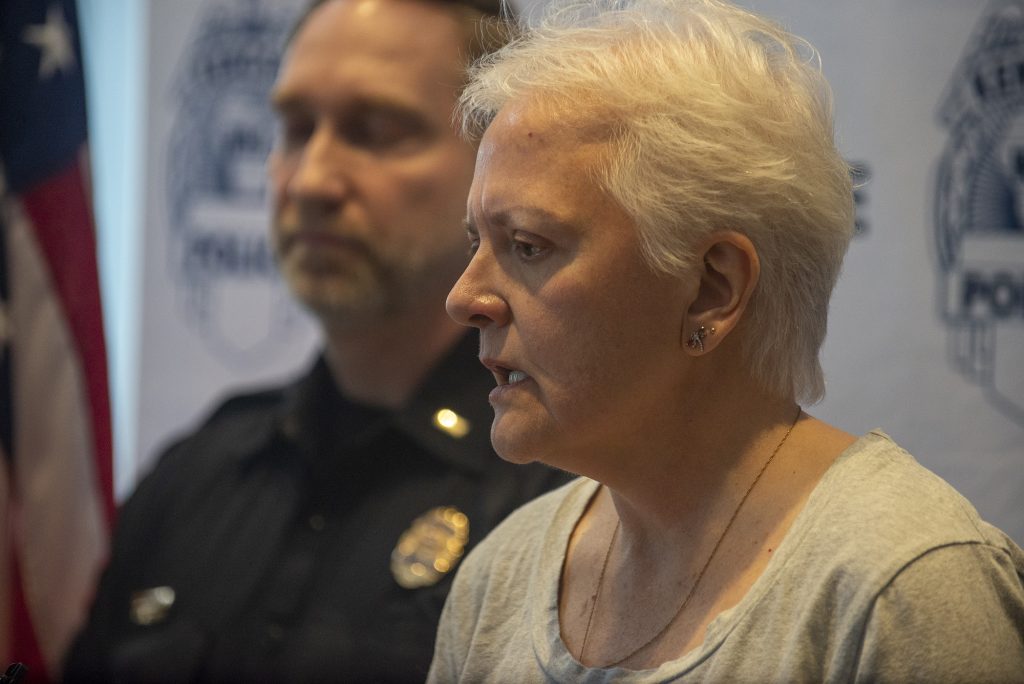
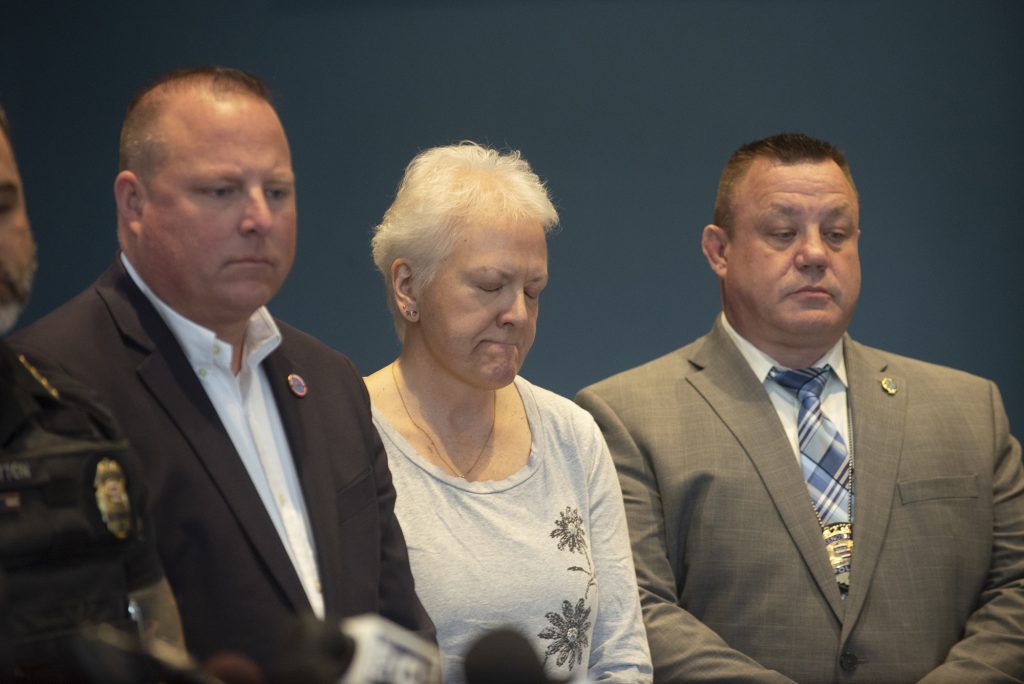
One of the most emotional moments of the press conference came when Carla Gianoli-Smith, speaking for Gianoli’s surviving nieces and nephews, addressed reporters. She said the family was overwhelmed and overjoyed by the news of the arrest, while also calling it bittersweet because Gianoli’s siblings did not live long enough to see it happen.
Gianoli-Smith thanked God, Kenosha detectives and the many agencies that assisted in the investigation. She said that from her first meeting with detectives years ago, the family had been treated with kindness, honesty and respect, even when investigators warned them the case might never be solved. She said the family was deeply grateful police never gave up.
(Photo by Kevin Mathewson, Kenosha County Eye)
(Photo by Kevin Mathewson, Kenosha County Eye)
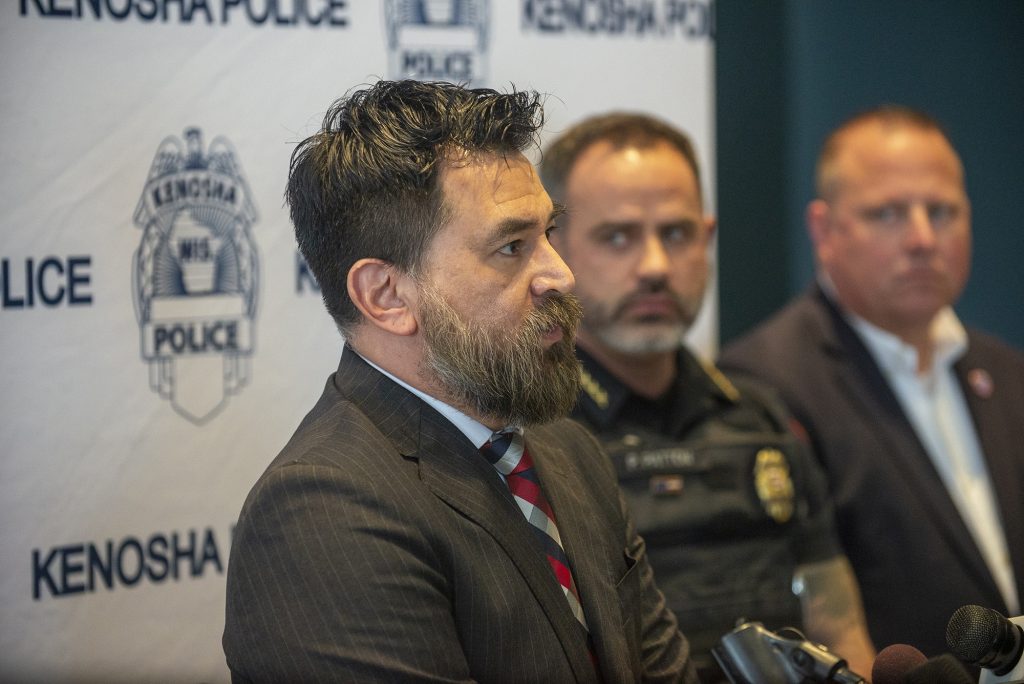
During the question-and-answer portion, Captain James Beller, whom police identified as the captain of homicide and cold cases, provided additional details and handled many of the follow-up questions from reporters.
Beller said investigators believe Fowler and Gianoli met earlier in the night of the homicide, though he declined to provide more specifics about that encounter. He also noted that Gianoli came from a large family and reiterated that one of the reasons the case was ultimately solved was because detectives in 1977 did such a strong job preserving the evidence.
That point was one of the most important takeaways from Beller’s remarks. He made clear that this arrest was possible not just because of today’s science, but because officers nearly a half-century ago carefully collected and preserved key evidence, especially the fingernail clippings that later became central to the DNA analysis. Beller said cold case investigators continue revisiting old files and using new technology whenever it becomes available, and he stressed that the long wait in this case was not due to a lack of effort, but because the science needed time to catch up.
Beller also said the evidence was eventually sent through modern testing processes that were not available in 1977, helping investigators build the case that led to Fowler’s arrest.
(Photo by Kevin Mathewson, Kenosha County Eye)
Kenosha County District Attorney Xavier Solis said Fowler has been charged and remains in Tennessee while extradition moves forward. Solis said Fowler is being held on $1.5 million bail and that once he is returned to Kenosha, he is expected to make an initial appearance here. Solis did not give a firm timeline for when Fowler will arrive in Wisconsin.
(Photo by Kevin Mathewson, Kenosha County Eye)
The case has long carried unusual emotional weight in Kenosha not only because of its age, but because of the brutal details and the decades of unanswered questions surrounding Gianoli’s death. Investigators long believed he had been attacked inside his own home after what appeared to be a violent struggle. Blood was found in multiple rooms, broken beer bottles were scattered inside, and neighbors had reported hearing suspicious activity around the time he was believed to have been killed.

(Cell Phone Photo by Kevin Mathewson, Kenosha County Eye)
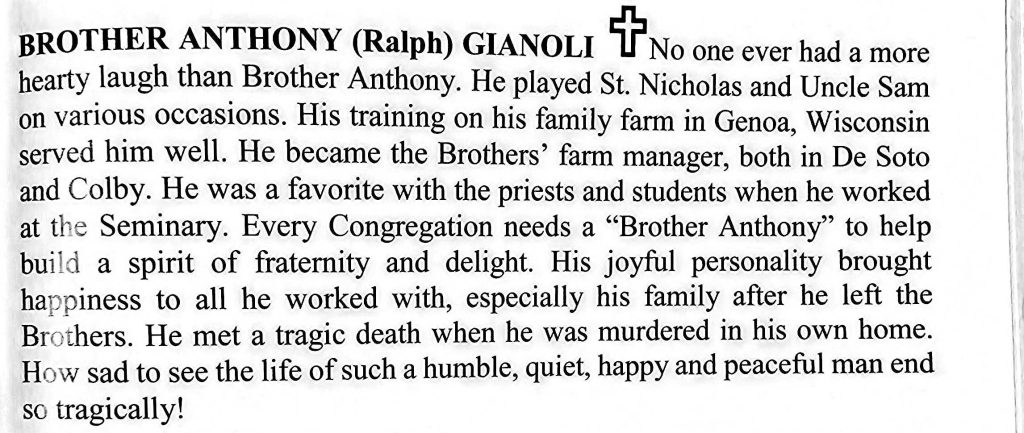
Gianoli’s story also endured in another way over the years. His life was memorialized in the book Together as Brothers, which preserved part of his military and family history and offered a fuller picture of the man beyond the grim facts of the homicide investigation. For relatives who spent years wondering whether the case would ever be solved, Tuesday’s announcement was not just about an arrest. It was about finally hearing, after nearly half a century, that the case had not been forgotten.
(Photo by Kevin Mathewson, Kenosha County Eye)
Now, after almost 49 years, Kenosha police say the same evidence collected in 1977 has finally spoken.
(Photo by Kevin Mathewson, Kenosha County Eye)



4 Responses
This is good news. The primary credit belongs to Chief Patton. Unlike prior chiefs, he made investigating cold cases a priority.
The sad truth is that this case could have been solved twenty years ago had a visionary chief simply told one of his competent detectives to work on it.
We are lucky we have Chief Patton.
68 hell he looks 88. Bunk him up with Leroy for the full experience
The suspect James Terry Fowler of Memphis was previously sentenced to five years in an Alabama prison in 1985 for manslaughter related to the death of his father.
Great job by all of those involved. It’s nice to know that not all old, unsolved cases are ignored.