



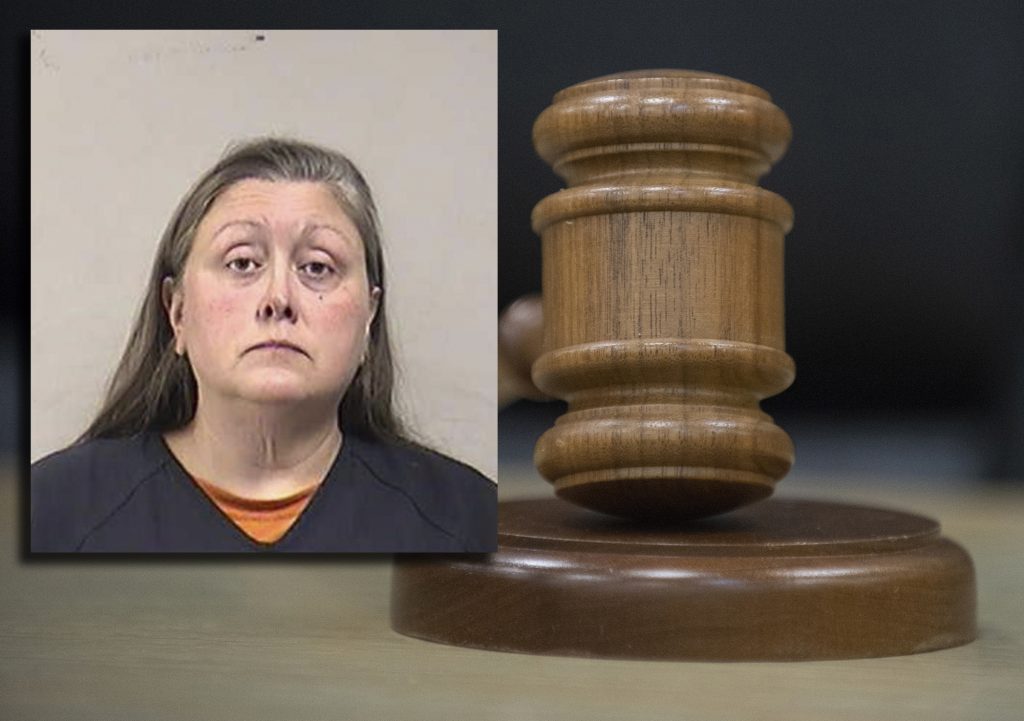
(Kenosha County Sheriff’s Office)
KENOSHA, Wis. — Another repeat OWI conviction, another work-release sentence. In Kenosha County, it might as well be a written policy: The Kenosha County Judiciary doesn’t care about OWIs until your fifth. Drink up and hit the gas.

Brigid R. Wiley, 46, of Burlington, was sentenced Friday by Kenosha County Circuit Court Judge Heather Iverson to 90 days in the Kenosha County Jail after pleading guilty to third-offense OWI. Wiley, however, appears to now have four OWI convictions, according to the prior convictions listed in the criminal complaint. Prosecutors originally charged her with felony fourth-offense OWI before amending the charge to misdemeanor OWI 3rd.



Wisconsin imposes escalating mandatory minimum confinement for repeat OWI offenders: five days for a second offense, 45 days for a third and 60 days for a fourth. Fifth and sixth offenses carry at least one year of confinement.
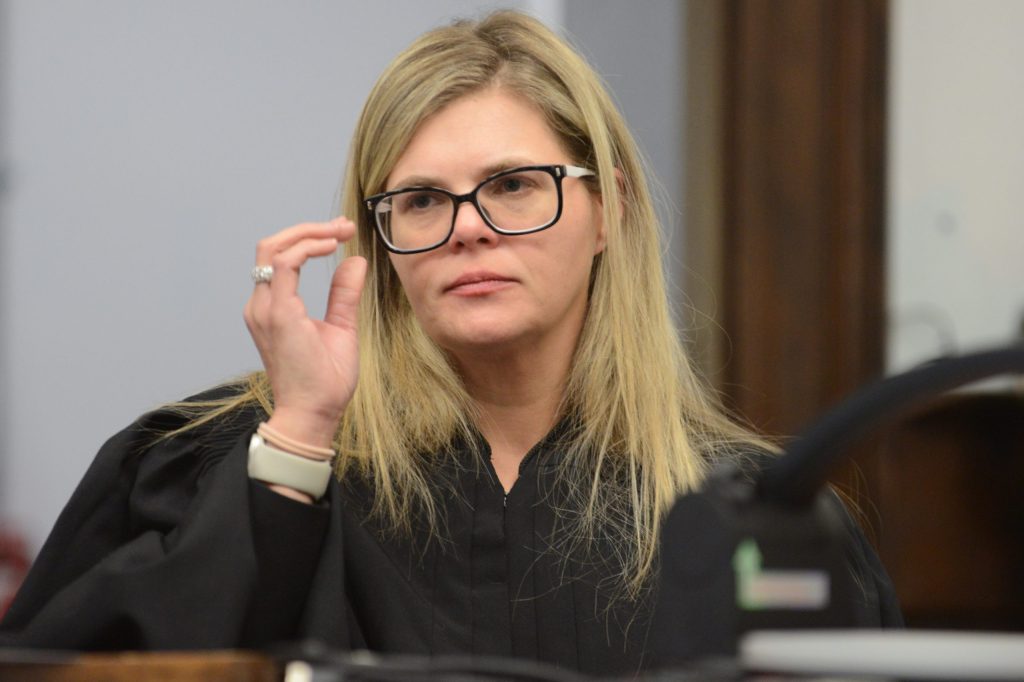
(File Photo by Kevin Mathewson, Kenosha County Eye)
But in Kenosha County, mandatory confinement doesn’t necessarily mean actually being confined. With a little help from Kenosha County Sheriff David Zoerner, the judiciary uses work release as a loophole. Some repeat OWI offenders have to report back to the jail each night for what amounts to a sleepover, while many others are allowed to go home each night on electronic monitoring before heading back to work the next day.

Wiley’s history presents an unusual twist. The original complaint listed three previous OWI convictions: 1998 in Illinois, 2010 in Illinois and 2011 in Walworth County.

That meant prosecutors initially considered the January 30, 2026 incident her fourth offense and charged it as a Class H felony carrying up to six years in prison.

Ironically, the age of Wiley’s previous convictions appears to have helped keep the newest case from remaining a felony. Her most recent prior conviction listed in the complaint occurred in April 2011, nearly 15 years before her newest OWI. Wisconsin’s felony provision for a fourth OWI depends on the offender having a qualifying prior OWI offense within the preceding five years.

On February 18, prosecutors filed an amended criminal complaint. The court record specifically notes that the amended complaint made the case a misdemeanor. Wiley ultimately pleaded guilty to OWI 3rd, rather than the originally charged felony OWI 4th.

The available court record does not explain why the offense itself was reduced from fourth to third, as opposed to simply removing the felony treatment. But the final judgment unequivocally lists Wiley’s conviction as OWI 3rd, a misdemeanor.
Wiley and prosecutors stipulated Friday that her blood-alcohol concentration was .165. Iverson sentenced her to 90 days with one day of credit and authorized work release for employment purposes only. Wiley was taken into custody following sentencing.
The January incident began when Kenosha County Sheriff’s Office deputies responded to a single-vehicle crash in the Town of Wheatland. Wiley’s Range Rover traveled into a ditch through approximately two feet of snow before striking fencing and a wooden post.
Deputies described Wiley as having glossy, bloodshot eyes and slow, slurred speech. They said she smelled of alcohol, stumbled while trying to walk and at one point began walking into oncoming traffic. Wiley admitted she had been drinking at a bar in Burlington before attempting to drive home.
At the hospital, a deputy said Wiley’s words were so slurred they were difficult to understand and described her as appearing “highly intoxicated.” Because of her injuries, deputies could not conduct the walking portions of the field sobriety tests. She failed a modified horizontal gaze nystagmus test administered while she was lying in a hospital bed.
Iverson also fined Wiley $1,919, revoked her driver’s license for two years, ordered an ignition interlock for two years and ordered an alcohol assessment. Wiley was also ordered to pay $2,000 in restitution and $135 in laboratory fees. Four related traffic cases were dismissed at the State’s request.
For Wiley, nearly 15 years between OWIs appears to have made an enormous difference: what began as a felony fourth-offense OWI carrying potential years in prison ended as a misdemeanor third-offense conviction with 90 days and work release.








5 Responses
This judge is a case study in repealing the 19th amendment.
What bartender let someone visibly intoxicated leave a bar?DRAM SHOP LAWS? Safe ride?
They wait until AFTER someone else is hurt. The 4th should have mandatory rehab and impounding the vehicle. Impounding her nice Range Rover would get someone’s attention.
Crashing her Range Rover is all you need to know about this sentencing.
Once she kills one of us, maybe she’ll do a little time, ….not too much though. Life has no value to the left; it’s a doctrine of decay and death ultimately.