



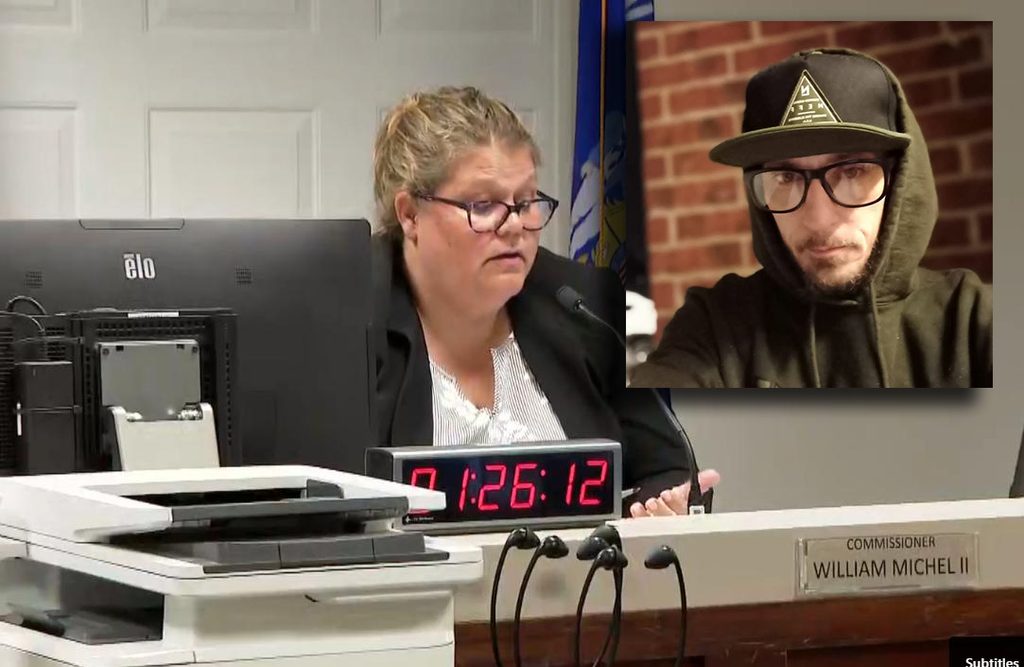
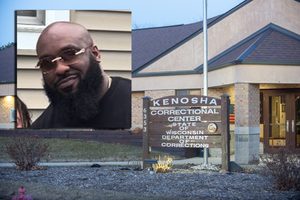
(Photo by Kevin Mathewson, Kenosha County Eye)
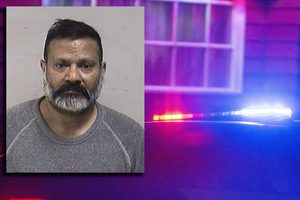
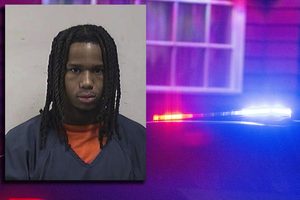
Michael J. Brehmer, 44, of Kenosha
KENOSHA, Wis. — Michael J. Brehmer allegedly pointed a handgun at his ex-girlfriend and threatened to kill her and her new boyfriend before killing himself. According to prosecutors, that wasn’t his only suicide threat. Two weeks later, Brehmer allegedly again pulled out a handgun, pointed it at his own head and said, “I’ll just shoot myself in the head.” He was then charged with six serious crimes related to the threats and gun incidents while already out on bail in another criminal case. Less than two months after Liberal Activist Supplemental Court Commissioner Tracey “Low-Bail” Braun (D) set his cash bail at just $500, Brehmer made good on part of that alleged threat. Thankfully, he didn’t kill his ex-girlfriend or her boyfriend. He killed himself.


Now Brehmer, 44, is dead, and people who knew him, along with members of the public frustrated by Kenosha County’s low-bail judicial philosophy, are asking an uncomfortable question: Did the Kenosha County judicial system fail Michael Brehmer? Court records leave no question that Brehmer is dead. On Aug. 31, the Kenosha County Circuit Court docket was updated at the request of the District Attorney’s Office: “Cases are to be closed, as the Defendant is deceased.”

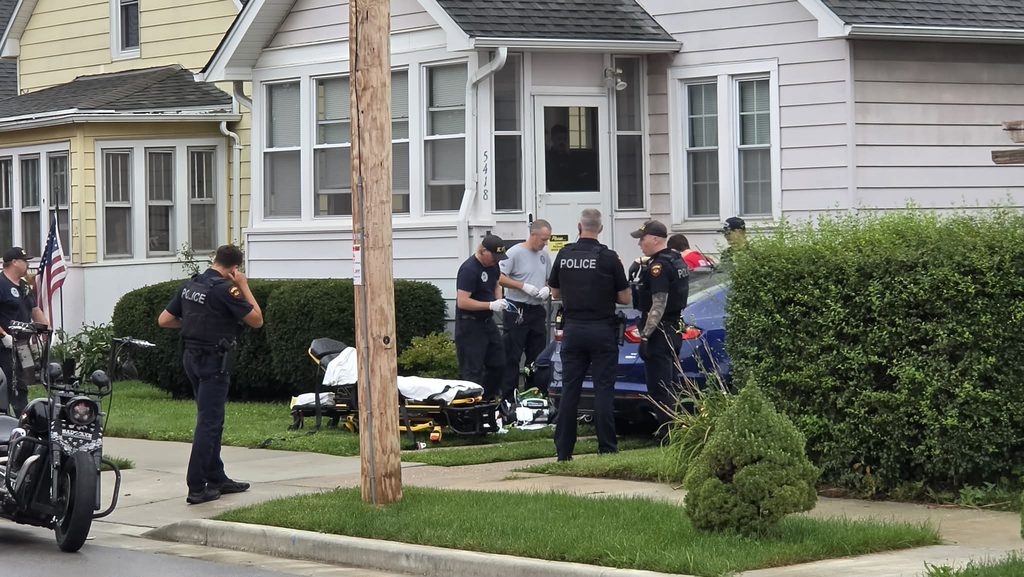
(Photo by BCE)
Kenosha County Eye spoke with a person who was very close to Brehmer. That person believes Brehmer should have been held on a significant cash bail, not because they wanted him punished before trial and not because they necessarily believed Brehmer was a dangerous monster who needed to be locked away. They believed he desperately needed help. They believe keeping Brehmer in custody could have protected him from himself and provided an opportunity for intervention and mental-health treatment before he could get his hands on a gun.
That distinction matters. Bail isn’t supposed to be punishment. But public safety doesn’t end with protecting strangers from defendants. Defendants are members of the public, too. When a court is presented with allegations that a man is repeatedly threatening suicide, putting a gun to his own head and even threatening to murder two other people before killing himself, his own safety should matter.

The Warnings Were Already There

According to the criminal complaint, Brehmer’s ex-girlfriend told Kenosha Police that on June 13 he was texting her and threatening to take his own life. Concerned that he might hurt himself, she invited him over to talk. She said Brehmer told her he still loved her and wanted to get back together. When she told him she was with another man, Brehmer allegedly pulled a handgun from behind his back and said, “I’ll kill you and [boyfriend] and then I’ll kill myself.”

She alleged Brehmer pointed the handgun at her and then pointed it at his own head. She told police she felt threatened but did not believe Brehmer would actually hurt her because she believed he would hurt himself first. She described him as emotional and erratic.

Two weeks later, prosecutors say another disturbing incident occurred. On June 27, Brehmer allegedly arrived at his ex-girlfriend’s home on his motorcycle because he wanted to reconcile and she didn’t. During an argument, she accused Brehmer of pushing her by the shoulders, causing her to fall backward onto the ground. Police documented bruising and a cut on her leg. After the confrontation, she told police Brehmer got onto his motorcycle, pulled out a handgun, pointed it at himself and said, “I’ll just shoot myself in the head.”

Brehmer disputed significant portions of her account. He told detectives that his ex-girlfriend attacked him and broke his finger. He denied intentionally pushing her and denied owning or carrying the silver handgun she described. Brehmer did, however, acknowledge previously having a black pellet gun and admitted telling his ex-girlfriend during an earlier argument that he would shoot himself with it. He denied ever threatening her. Police searched his motorcycle and property following his arrest and did not locate a handgun.
Whatever version one believed, there was one theme that appeared repeatedly in the information presented to authorities: Michael Brehmer was talking about killing himself.
A Routine No-Cash Bail, Then Far More Serious Allegations
The bail-jumping charges stemmed from a separate 2025 criminal case in which Brehmer had been charged with operating while revoked and failing to install an ignition interlock device. Commissioner Lisa Bouterse released him on no-cash bail with a condition that he not commit additional crimes. There was nothing particularly remarkable about that decision. The 2025 charges were nonviolent driving-related misdemeanors, and a no-cash bail under those circumstances would likely draw little, if any, criticism.
What happened after the far more serious allegations in June 2026 is a different story. Prosecutors charged Brehmer with pointing a firearm at another, domestic abuse; disorderly conduct with a dangerous weapon, domestic abuse; misdemeanor battery, domestic abuse; disorderly conduct, domestic abuse; and two counts of misdemeanor bail jumping.
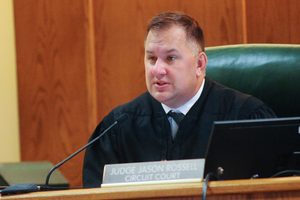
When Brehmer appeared in court June 30, the Kenosha County District Attorney’s Office requested another no-cash bail. His defense attorney requested no-cash bail. Even his ex-girlfriend, the alleged victim, told the court she wanted no-cash bail. Liberal Activist Supplemental Court Commissioner Tracey “Low-Bail” Braun (D) didn’t go quite that far. Braun (D) set Brehmer’s cash bail at just $500 and ordered him to have no contact with his ex-girlfriend.
Court records indicate the $500 was posted the very next day, July 1, while a separate docket entry formally recording the cash-bail payment was entered July 2. Brehmer was back out. Less than two months later, he was dead.

(File Photo by Kevin Mathewson, Kenosha County Eye)
Was $500 Really Enough?
Kenosha County Eye has extensively criticized what we believe is a soft-on-crime, low-bail culture within the Kenosha County judicial system. KCE believes much of that philosophy can be traced to Judge Chad Kerkman, who holds the administrative title of Deputy Chief Judge and has significant influence within the Kenosha County courthouse. Kerkman did not personally set Brehmer’s bail, but the broader judicial philosophy and courthouse leadership deserve scrutiny when defendants accused of dangerous conduct are repeatedly released on low-cash or no-cash bail.
The criticism here is therefore bigger than one commissioner and bigger than one case. It is about what KCE believes has become an institutional philosophy in Kenosha County: an emphasis on getting defendants out of custody on no-cash or low-cash bail, sometimes even when the allegations themselves raise glaring questions about whether release is the safest decision for alleged victims, the community or the defendant.
In Brehmer’s case, the actual bail decision belonged to Braun (D). The District Attorney’s Office asked for no-cash bail despite allegations that Brehmer had pointed a gun at his ex-girlfriend, threatened to kill her and her boyfriend before killing himself, and later again pointed a handgun at his own head and threatened suicide. Braun (D) required cash, but only $500.
Michael Brehmer’s death raises another side of the bail debate that is too often ignored: sometimes the person who needs protection from the defendant is the defendant himself.
The person close to Brehmer who spoke with KCE didn’t want him sitting in jail because they wanted revenge or punishment. They wanted him somewhere he couldn’t easily get his hands on a gun. They wanted his apparent suicidal crisis addressed. They believe a significant cash bail could have kept him in custody long enough for him to receive meaningful mental-health intervention.
Nobody can say with certainty that keeping Brehmer in custody would have saved his life. Nobody can say that a $5,000, $10,000 or substantially higher cash bail would have changed what ultimately happened. But we know what happened after $500 was enough to secure his release: on Aug. 30, Brehmer shot himself.
The Same Ex-Girlfriend Was There When He Shot Himself
KCE has learned that the woman who witnessed Brehmer shoot himself was the same ex-girlfriend involved in his pending criminal case, the same woman prosecutors alleged Brehmer had threatened to kill before killing himself.
Sources familiar with the Aug. 30 incident told KCE that Brehmer had the gun positioned around his head and throat area before shooting himself. KCE is also told that while Brehmer was holding the gun on himself, his ex-girlfriend took photographs and sent them to her mother before law enforcement was contacted. Brehmer ultimately died from his injuries.
The circumstances make the allegations contained in the June criminal complaint especially haunting. Two months earlier, Brehmer’s ex-girlfriend had told police that he pointed a handgun at himself and said he would shoot himself in the head. She had also told police that he threatened to kill her, her boyfriend and then himself.
Brehmer had children. A person close to Brehmer described him as a beloved member of the community who was struggling with serious mental-health issues.
Who Bears Responsibility?
The most immediate responsibility for Brehmer’s suicide belongs, of course, to Brehmer. Judicial officers aren’t fortune tellers. They cannot know with certainty what someone will do after leaving their courtroom, and setting a low bail doesn’t automatically make a commissioner, judge or prosecutor responsible for everything a defendant subsequently does.
But this wasn’t a case in which nobody saw warning signs. The warning signs were literally written in the criminal complaint. Prosecutors alleged Brehmer threatened suicide, put a handgun to his own head, pointed that gun at his ex-girlfriend and threatened to kill her, kill her boyfriend and then kill himself. Two weeks later, he allegedly put a gun to his head again and explicitly threatened to shoot himself. The District Attorney’s Office nevertheless asked for no-cash bail. Braun (D) set it at $500. Less than two months later, Brehmer was dead from a self-inflicted gunshot.
So does some responsibility extend beyond Brehmer himself? People close to him believe the system failed him. Many members of the public have increasingly questioned whether Kenosha County’s low-bail philosophy adequately protects the community, and Brehmer’s death gives that debate a tragic new dimension. The decisions made in Brehmer’s case belong to the people who actually made them, but the philosophy behind those decisions deserves scrutiny as well, including the leadership of the Kenosha County judiciary and Deputy Chief Judge Chad Kerkman.
Perhaps the criminal justice system couldn’t have saved Michael Brehmer. Perhaps nothing Braun (D), prosecutors, Kerkman, his family, his friends or anyone else could have done would have changed what happened Aug. 30. But perhaps keeping a man accused of repeatedly putting a gun to his own head in custody long enough for meaningful intervention would have given him another chance. That question can never be answered now.
Michael Brehmer is dead. The only consolation in this tragedy is a terrible one: Brehmer allegedly threatened a murder-suicide. The murder never happened. The suicide did.













7 Responses
You can’t force mental health assistance on people, for one. what was the court to do? Insist on a constitutionally-unenforceable high cash bail for reasons that the ciminal justice system doesn’t allow bail for?
Tragic, and a no-win… but as you said yourself, the only real responsible party is the deceased. He made the choice to take his own life.
No you can’t force mental health assistance on anyone, but, they can be put on a 72 hour psychiatric hold for evaluation. This alone could have helped prevent the tragic outcome of this string of events.
Why is it always the repeat offenders and scum that get these no cash / low bails. While the average blue collar working class gets raked over the coals for their first offense!!?
We need laws that protect the public from a clearly failing judicial system. We need judges and commissioners held accountable when offenses happen while defendants are out on a too-low bond, or re-offend after an obscurely inappropriate sentence/fine.
Thankfully he took himself out instead of anyone else.
You can to force mental health care on someone. They called it chapter 51. I was on one in kenosha before, when I tried to end my life…it saved my life. I was detained by the police, cuffed, put in a mental health facility and given medication. I had to check in with a court representative. It was 90 days.
People need to know about the option to use Chapter 51 law to hold mentally ill or suicidal people againt their wills.
The Dept. of social services, aging and disability, or kenosha corporation counsel can help.
Bail is not the appropriate way to protect people from themselves