



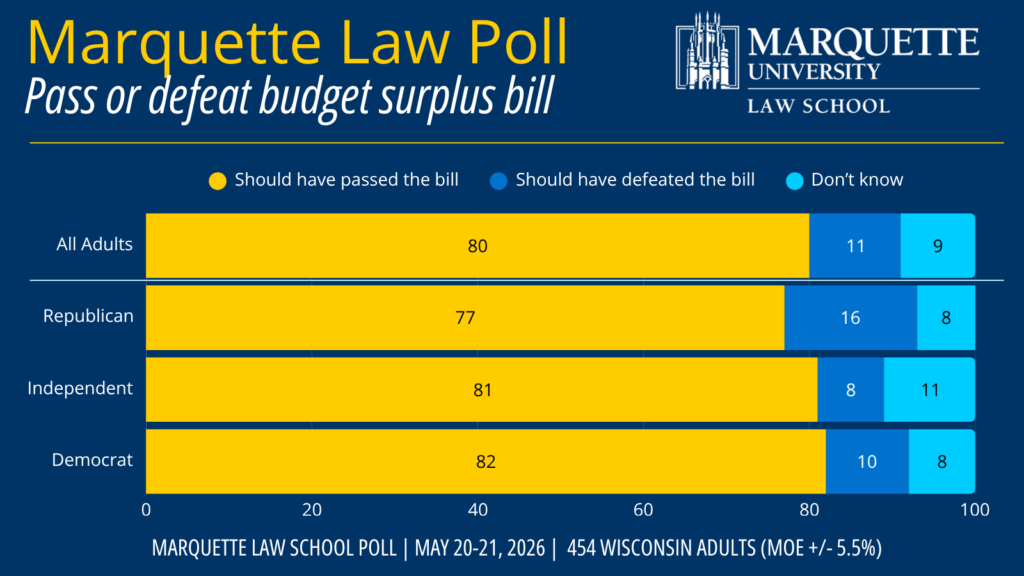
KENOSHA, Wis. — A recent Marquette University Law School poll found that 80% of Wisconsin adults believed the Legislature should have approved a bipartisan surplus deal that ultimately failed in the State Senate. The proposal would have returned hundreds of millions of dollars to taxpayers through rebate checks, provided property tax relief, increased special education funding, and eliminated state income taxes on tips and overtime pay.

In the wake of the bill’s defeat, Kenosha County Eye asked local legislators and legislative candidates a series of questions: Why did they vote the way they did? Do they still believe it was the correct decision after seeing the public polling? If they opposed the package, what should be done with the surplus instead? Should Wisconsin prioritize taxpayer relief, school funding, property tax reduction, debt reduction, or maintaining the surplus? What specific concerns or benefits most influenced their position?
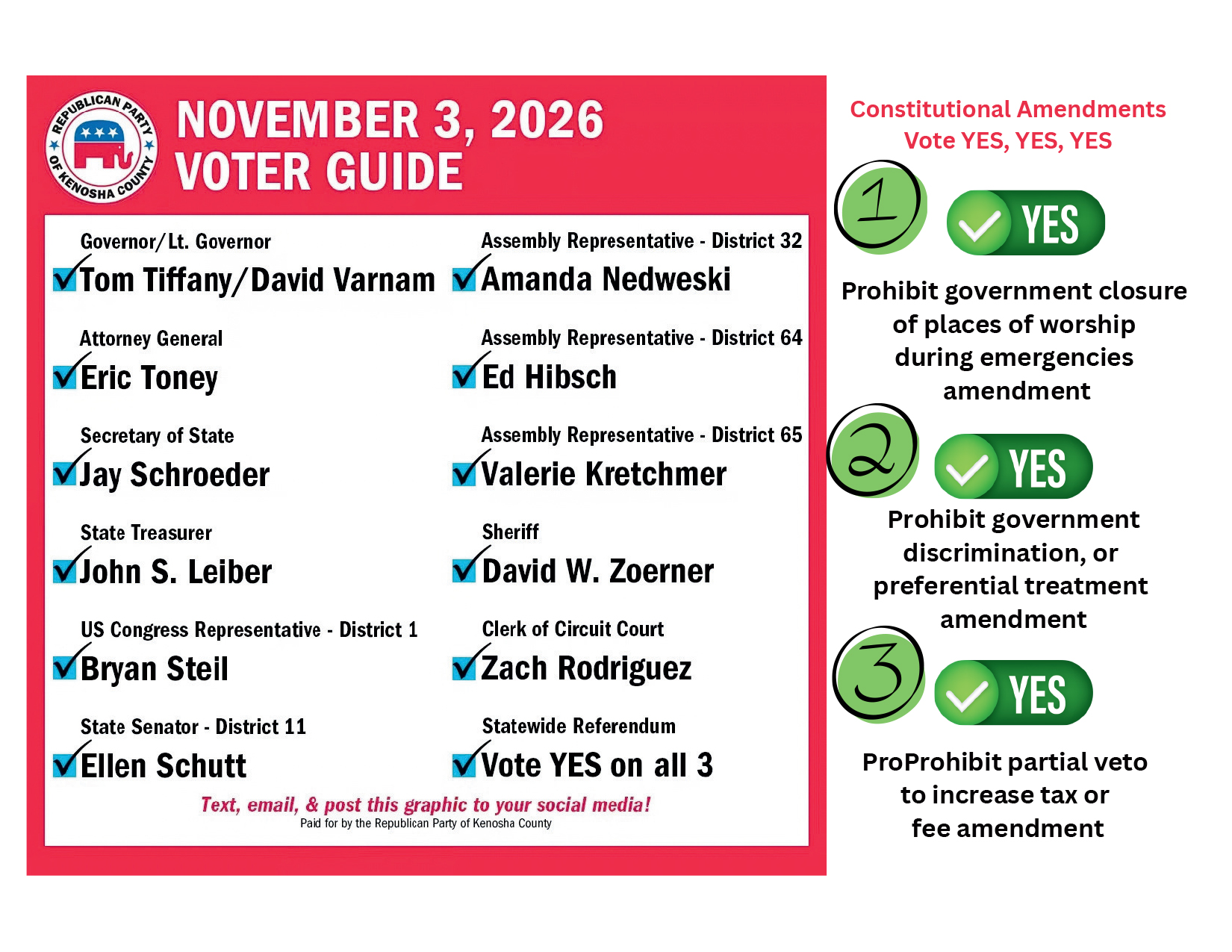
The responses revealed that even among those who opposed the bill, there was broad agreement that Wisconsin taxpayers deserve relief. The disagreement centered largely on how the surplus should be used and whether the proposal would create long-term budget problems.
Those Who Supported the Deal
State Rep. Amanda Nedweski told Kenosha County Eye she supported the compromise because Wisconsin families deserve meaningful relief now. She argued that Gov. Tony Evers’ partial veto extending school funding authority for centuries has increased pressure on property taxpayers and said the proposal would have returned money directly to taxpayers while providing what she described as historic investments in special education.

Nedweski acknowledged the compromise was not perfect but said it would have provided rebate checks, property tax relief, eliminated taxes on tips and overtime, and increased funding for schools. She said the Marquette poll confirmed that Wisconsin residents want both immediate relief and long-term reforms to make life more affordable. According to Nedweski, conversations with homeowners, retirees, and working families worried about rising property taxes were the biggest factor influencing her support.

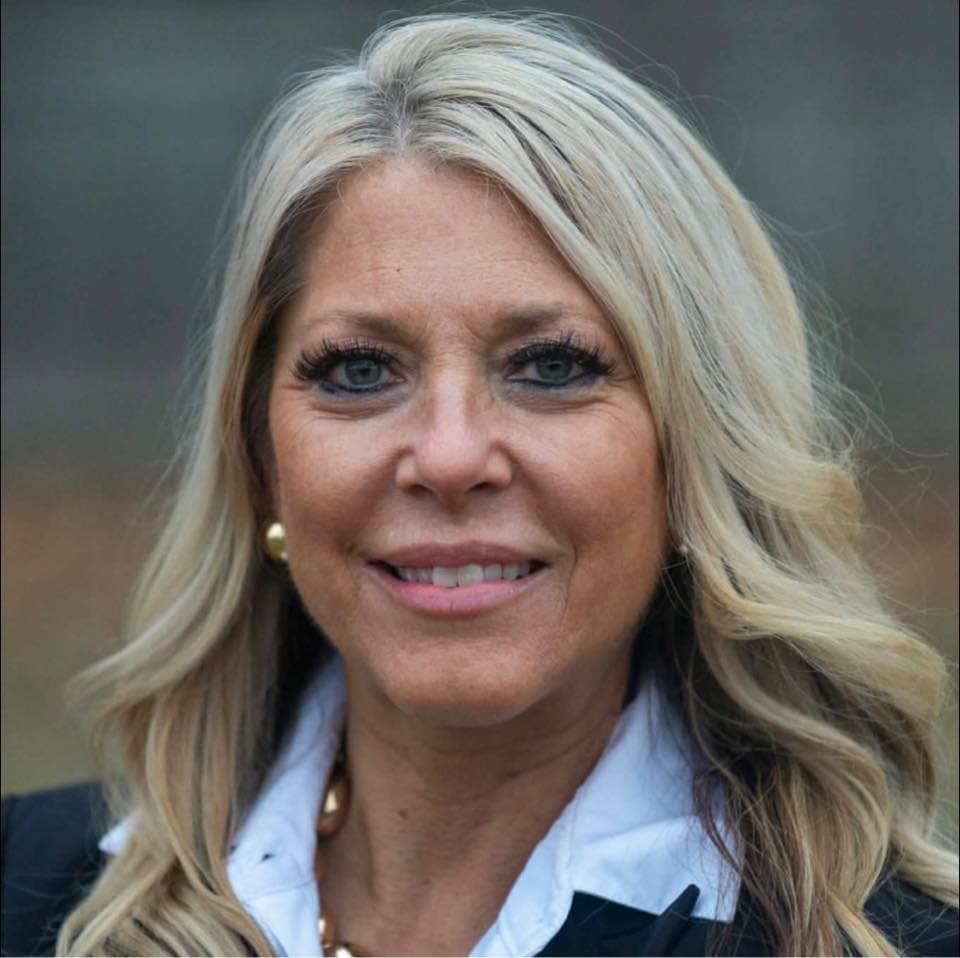
State Senate District 11 candidate Sandy Wiedmeyer told Kenosha County Eye that Wisconsin residents are struggling with the cost of living and that voters overwhelmingly want elected officials to work together instead of engaging in partisan battles. Wiedmeyer said the surplus deal represented a reasonable compromise in divided government.

While she said she would have preferred returning even more of the surplus directly to taxpayers, she viewed the proposal as a practical step forward because approximately 80% of the package consisted of tax relief and 20% involved school funding. Wiedmeyer said taxpayers should receive relief through property tax reductions, rebate checks, and lower income taxes while also providing additional support for special education programs.

Wiedmeyer acknowledged concerns about possible future deficits but said those concerns could be addressed through continued economic growth and responsible budgeting. She argued that the surplus should be used to provide relief to taxpayers rather than remain in state coffers.

The responses also revealed a sharp divide in the race for Wisconsin’s 11th Senate District. Wiedmeyer was the only candidate in the three-way contest to tell Kenosha County Eye she would have supported the surplus compromise. Incumbent Sen. Robert Wirch and Republican challenger Nick Polce both opposed the proposal, though for different reasons.
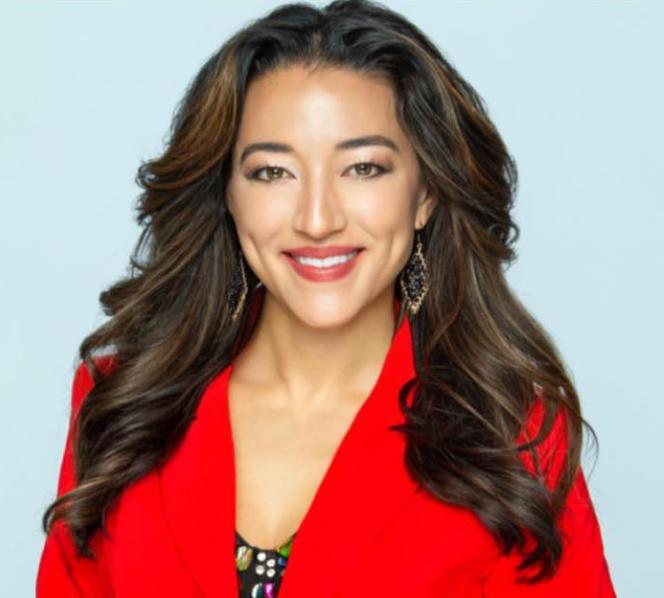
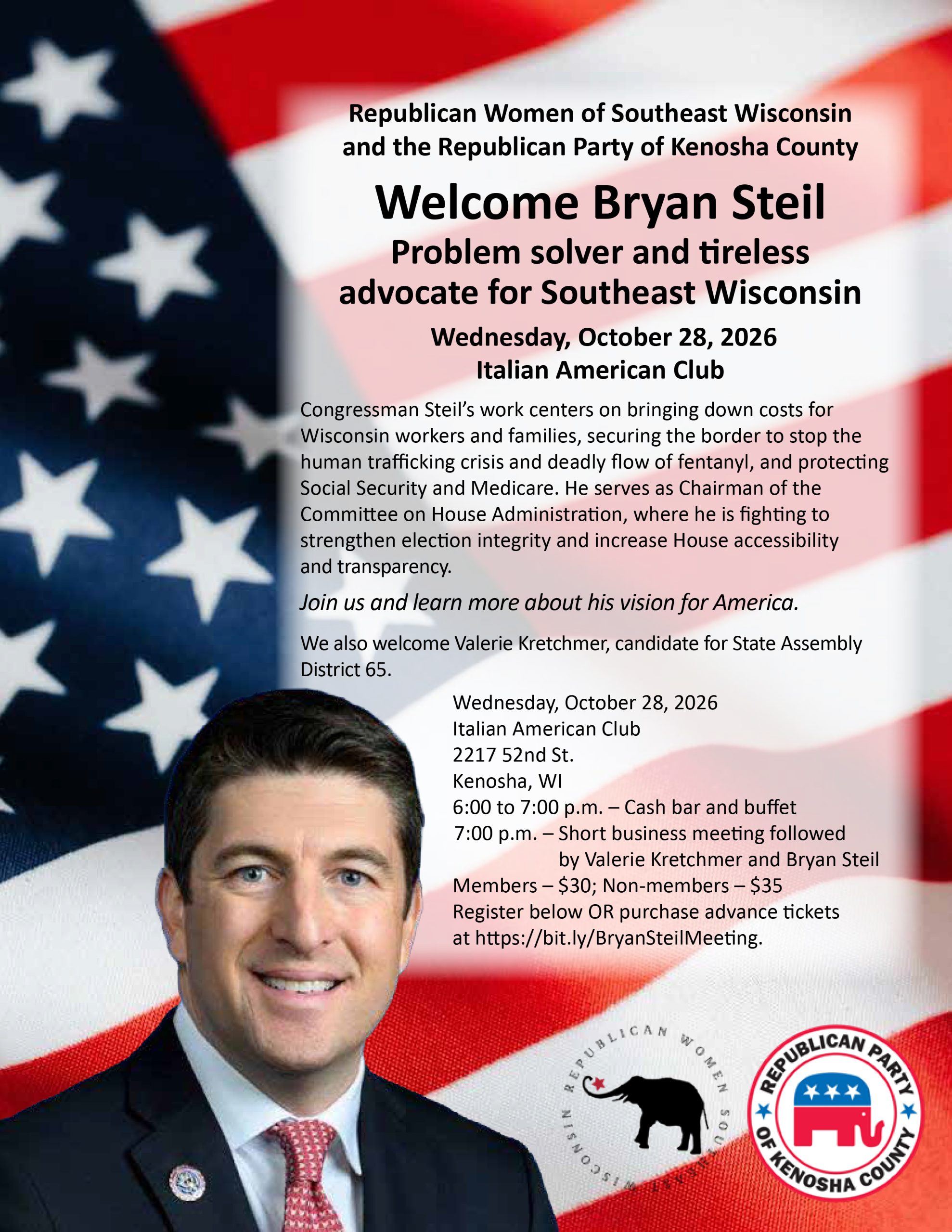
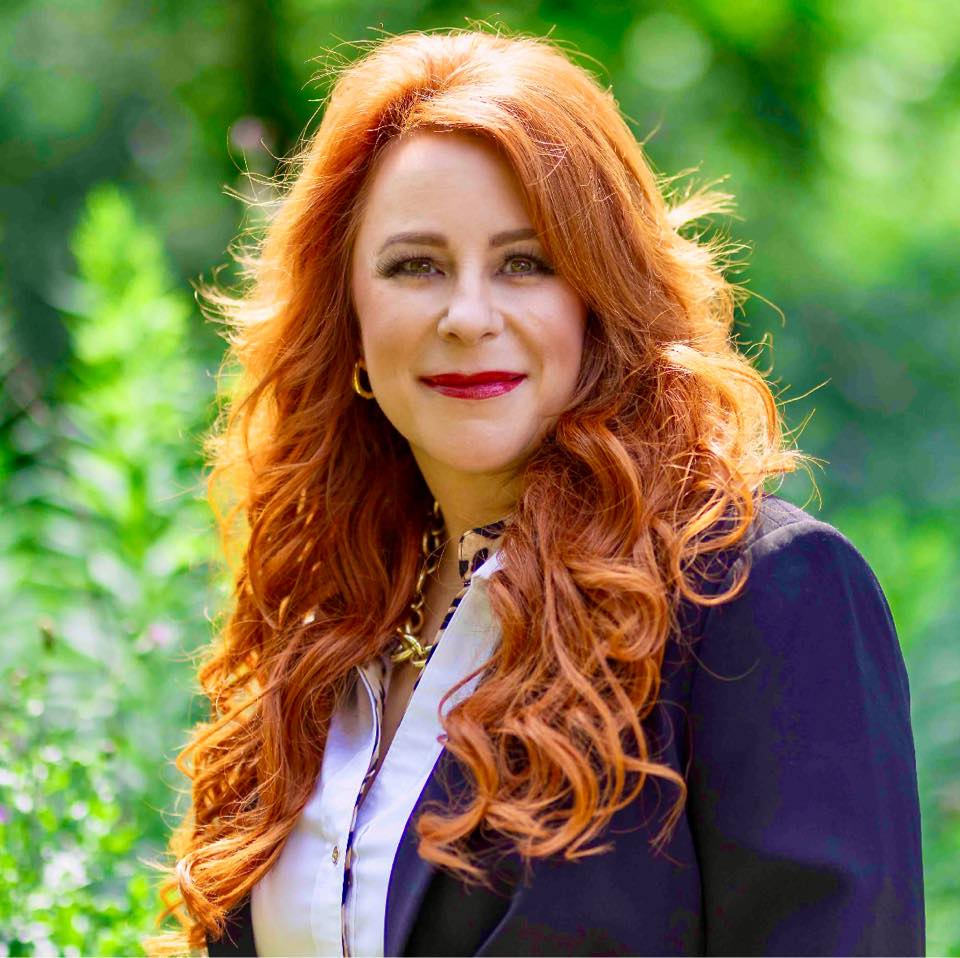
State Assembly District 65 candidate Valerie Kretchmer told Kenosha County Eye she would have voted for the proposal and saw little downside to returning a portion of the surplus to taxpayers. She rejected claims that the package would have created future deficits and pointed to Wisconsin’s recent economic growth.
Kretchmer also highlighted provisions that would have provided tax relief for veterans and their spouses. She said additional special education funding was important but added that school districts must be held accountable for how they spend taxpayer dollars. Kretchmer expressed concern that without the surplus package, districts such as KUSD may increasingly turn to referendum requests for additional funding.
She told KCE that residents she has spoken with consistently raise concerns about affordability, accountability, and ensuring government is working for the people it serves.
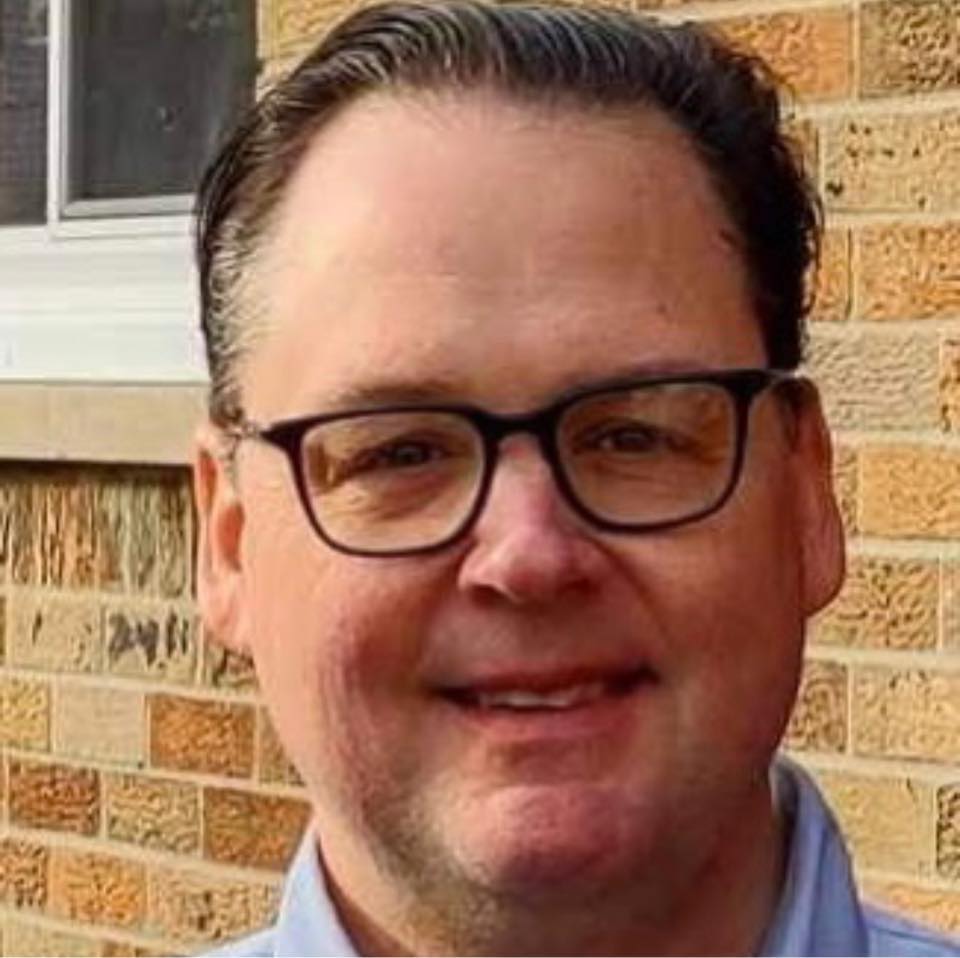
State Rep. Ben DeSmidt told Kenosha County Eye that many working families continue to struggle with high grocery prices, elevated gas prices, and economic uncertainty.
“My constituents are hardworking people, and I believed they deserved to see some direct relief from the state’s surplus rather than continuing to shoulder rising costs and economic uncertainty,” DeSmidt said.
DeSmidt told KCE that Kenosha voters have repeatedly been asked to approve school funding referendums and said the proposal would have provided at least some additional support for public schools. He said many families are facing rising costs and that returning some of the surplus to taxpayers would have provided relief at a time when many households are struggling financially.
Those Who Opposed the Deal
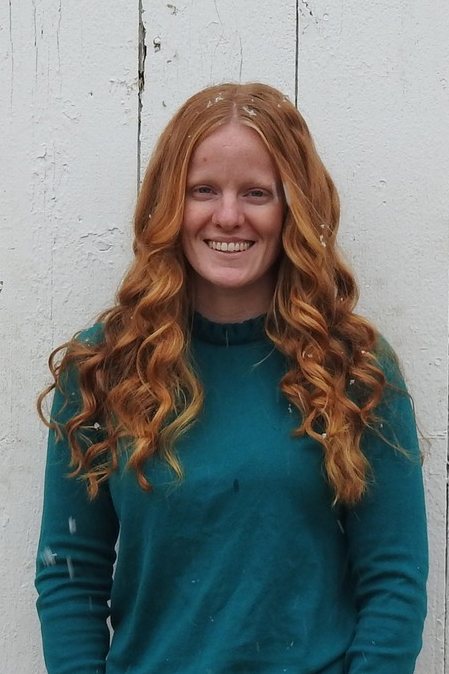
Senate District 11 candidate Ellen Schutt told Kenosha County Eye she opposed the proposal despite supporting many of its individual components, including property tax relief, rebate checks, eliminating taxes on tips and overtime, and increased support for special-needs students.
Schutt said her primary concern was that the proposal used one-time surplus dollars to fund what she viewed as recurring obligations that could create future structural deficits. She argued that taxpayers deserve a more permanent solution and proposed automatic taxpayer rebates whenever significant surpluses occur, along with zero-based budgeting that would require agencies to justify their spending from scratch during each budget cycle.
“A big surplus means government took too much of our money,” Schutt said. “That money belongs in the hands of Wisconsin families.”
Schutt told KCE she believes taxpayers deserve permanent reforms rather than one-time relief measures and argued that automatic rebates and spending reforms would better protect taxpayers while preventing future deficits.
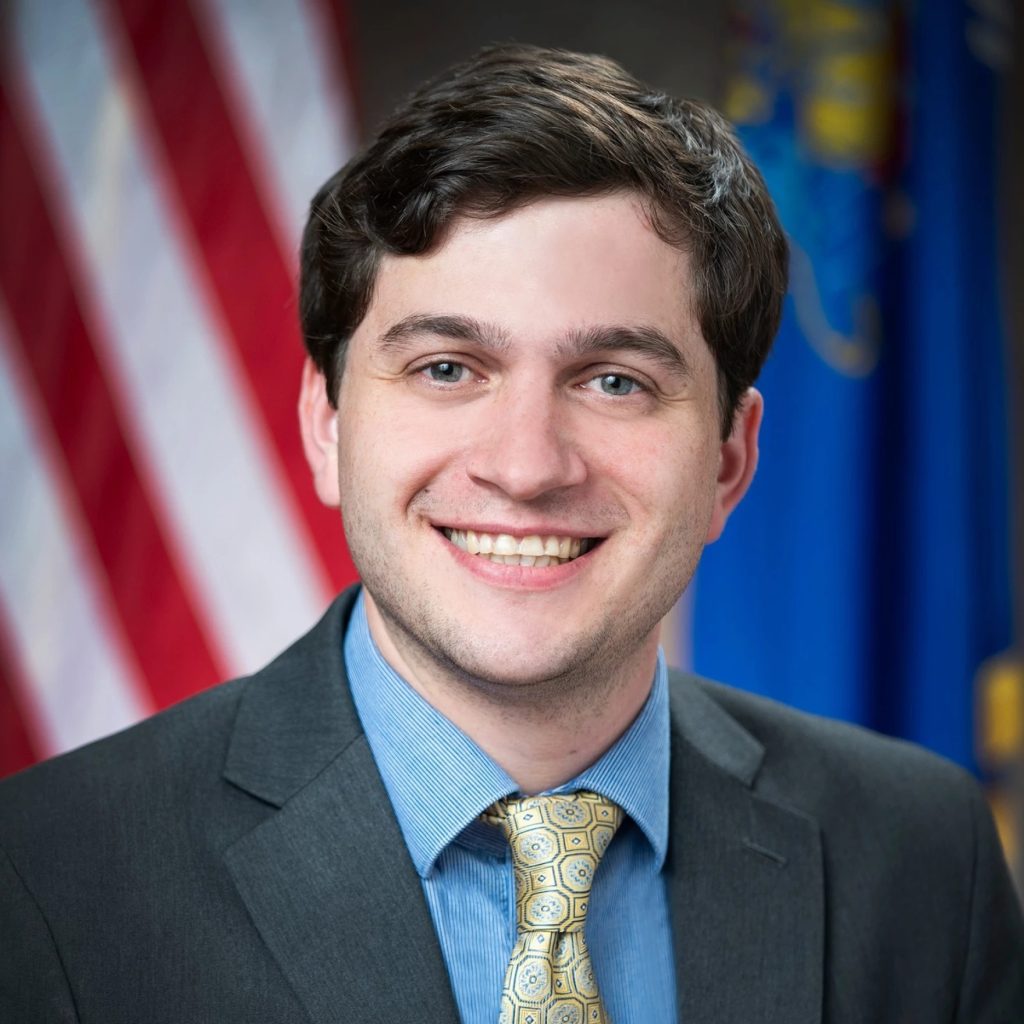
State Rep. Tip McGuire told Kenosha County Eye he opposed the proposal because he believed the rebate structure excluded too many Wisconsin residents.
McGuire said Wisconsin families need relief but argued the rebate plan would have left out approximately 30% of state residents, including many seniors who rely on Social Security income. He said helping working families remains a priority but that lawmakers should pursue solutions that reach a broader segment of the population while also addressing long-term public education funding and property tax relief.
McGuire told KCE he remains concerned about the economy and believes lawmakers should continue looking for ways to help families while finding sustainable solutions for school funding and property tax relief.
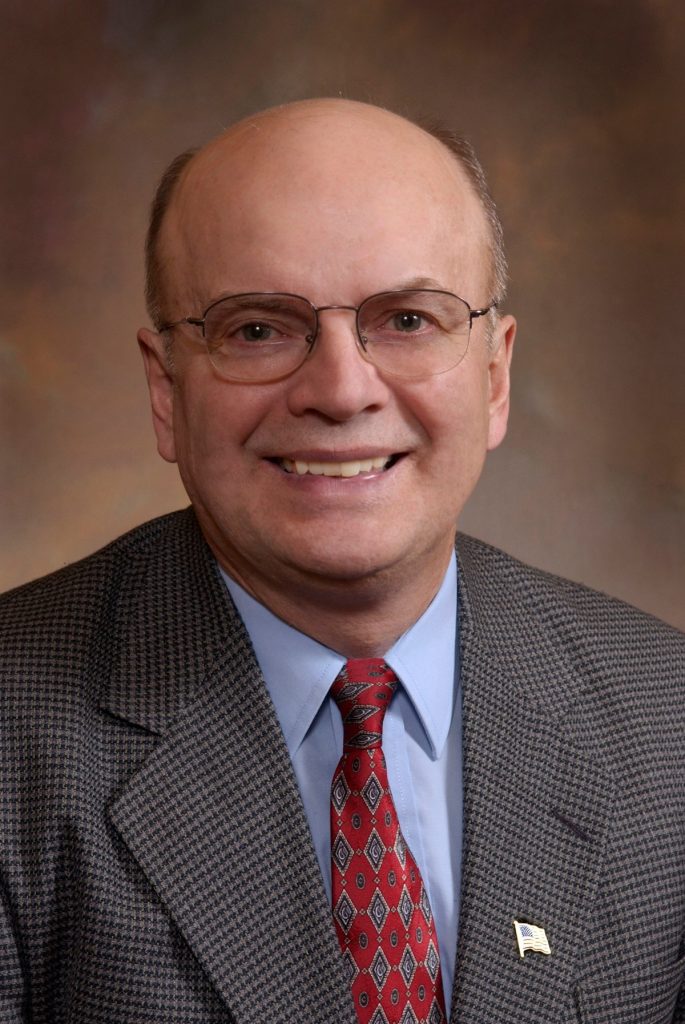
State Sen. Robert Wirch told Kenosha County Eye he opposed the proposal, citing a Legislative Fiscal Bureau analysis projecting a $2.95 billion deficit in the next budget cycle if the plan became law.
Wirch said the proposal failed to adequately address the school funding formula and provide schools with the stability needed for long-term planning. He also objected to the rebate structure, noting that approximately one-third of Wisconsin residents would not have qualified for rebate checks, including Social Security recipients and people with disabilities.
Wirch told KCE that more work is needed to develop legislation that better addresses property tax reduction and special education funding while remaining fiscally responsible.
Republican State Senate District 11 candidate Nick Polce told Kenosha County Eye he would have opposed the proposal as written.
Polce argued the legislation failed to address what he described as Madison’s spending problem and said lawmakers should focus on reducing the size of state government, cutting taxes across the board, lowering property taxes, and returning surplus dollars directly to taxpayers.
“The legislature is taking too much money from Wisconsin taxpayers,” Polce told KCE. “Cut taxes across the board for all Wisconsinites. Cut property taxes. Cut the spending in Madison. Send the money back to the Wisconsin taxpayer.”
Polce said he believes the state should prioritize minimizing the amount of money collected from taxpayers and argued that individuals know better than government officials how to spend their own money. He also warned that the proposal could contribute to future deficits, arguing Wisconsin does not have a revenue problem but rather a spending problem. He noted that state spending has increased dramatically in recent years while wages have not kept pace.
As an alternative, Polce said he would prefer broader tax relief, including property tax reductions and returning surplus funds directly to taxpayers. He also proposed eliminating Wisconsin’s Minimum Markup Law and temporarily suspending the state fuel tax, arguing those measures could immediately reduce costs at the gas pump and lower prices throughout the economy.
Unlike several other opponents of the proposal, Polce said lawmakers made the correct decision in rejecting the bill despite polling showing that four out of five Wisconsinites supported it.
A Rare Bipartisan Divide
The responses collected by Kenosha County Eye revealed an unusual split that did not fall neatly along party lines.
Republicans Amanda Nedweski, Sandy Wiedmeyer, and Valerie Kretchmer supported the proposal, while Republican candidates Ellen Schutt and Nick Polce opposed it. Democrat Ben DeSmidt supported the measure, while Democrat Tip McGuire and Sen. Robert Wirch opposed it.
The eight responses produced an even split, with four candidates and elected officials supporting the proposal and four opposing it.
What nearly all respondents had in common was the belief that Wisconsin families deserve some form of relief from the state’s multibillion-dollar surplus. The debate centered less on whether taxpayers should benefit and more on how the money should be distributed, who should qualify, and whether the proposal struck the right balance between immediate relief and long-term fiscal stability.
With four out of five Wisconsin residents telling pollsters they believed the surplus deal should have passed, lawmakers and candidates on both sides of the issue now find themselves explaining why they supported — or opposed — a proposal that enjoyed overwhelming public support.






8 Responses
I dont know but it seems as though the passage would be a band aid of sorts and the ” problem” areas would just be reoccurring eventually.
We need to fix the financial problem somehow with the school districts. How??? I have no clue.
Sorry but the unions are not a good thing anymore overall. Im sure I will be trashed for that comment but its true. It seems people in general dont want to work and adding in the protection unions provide only enhances that.
Property tax… well my family on the east coast is paying double what mine is, as are our neighbors to the south. Why?? Bad Government in my opinion. Nothing is free and the lazy people mentioned above want free. Its a dark rabbit hole for sure. Society has decayed to the ugly level. Legalized weed isn’t the answer either but everyone wants it… hmmm … wonder why?
I agree, especially out the unions. Government has a huge spending problem that they try to solve with more money- our money. Until that changes, we’ll never see money come back to us.
Would Wirch have gone along if there was a free meal included?
I thought he was dead
The devil’s in the details
Can’t pay for reoccurring bills with one time money. Regardless of the $300. rebates.
But do we all remember just a handful of years ago this “Surplus” was $6 Billion ??
Now it’s under $3 Billion ?
Where did it all go ?
This is federal money given to us not necessarily state surplus because of over taxing money.
Devil in the details ? You Bet !!
These fuc*ers don’t care what you want. They think they are your bettors. Every one needs to be replaced and shamed forever.
Pay back each person that was over taxed and stop over taxing us. Problem solved.