


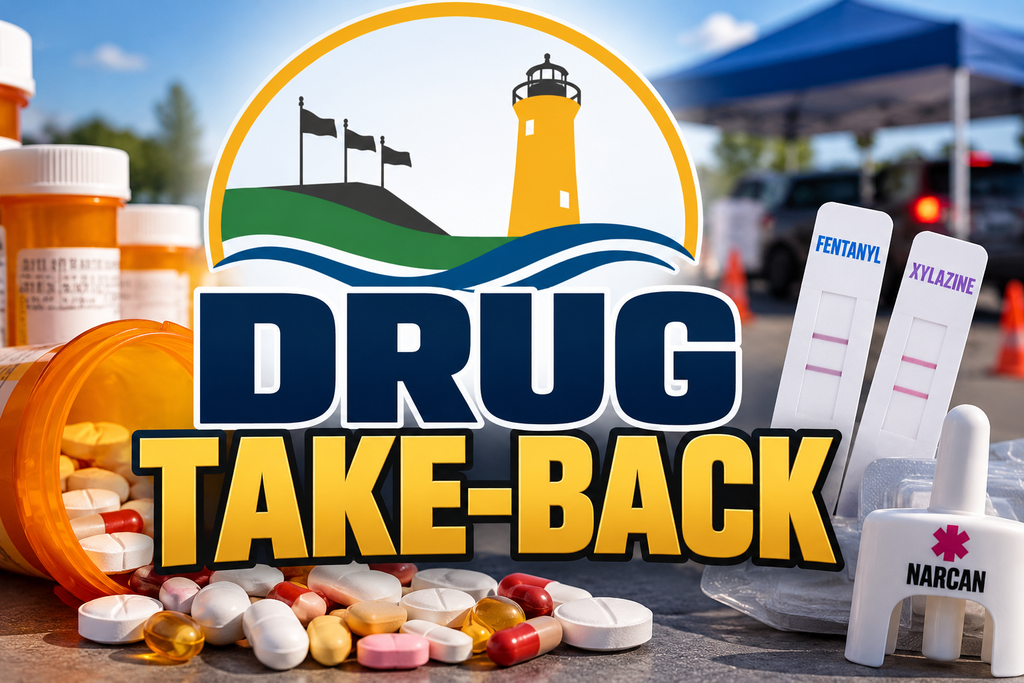
KENOSHA, Wis. — Kenosha County residents will have five opportunities this Saturday, October 24, 2026, to safely dispose of unwanted and expired prescription medications. The county’s participation in National Drug Take Back Day will offer free medication disposal from 10 a.m. until 2 p.m. at locations throughout the county. However, the administration of Kenosha County Executive Samantha Kerkman is also offering fentanyl and xylazine test strips, a controversial harm-reduction practice that critics argue can enable continued illegal drug use at public expense.

(File Photo by Kevin Mathewson, Kenosha County Eye)
According to an announcement released Tuesday, the events will also feature free Narcan training, gun locks and information about behavioral health services at three of the five collection locations. The medication collection itself is designed to prevent prescription drug abuse, accidental poisonings and improper disposal of potentially dangerous substances.
A county spokesperson described the event as an opportunity for residents to make their homes safer by removing unwanted medications and learning about behavioral health resources. The county is partnering with local law enforcement agencies and other organizations to operate the collection sites.
Five Convenient Drop-Off Locations
Residents can drop off unused or expired medications at any of the following five locations between 10 a.m. and 2 p.m. Saturday:

- Walmart: 3500 Brumback Blvd., Somers. Collection will take place in front of the store.
- Kenosha County Human Services Building: 3500 52nd St., Kenosha. Drop-off will be near the entrance driveway.
- Kenosha County Center: 19600 75th St., Bristol. Collection will take place at the cold storage building behind the main building. Look for signs along Highway 50.
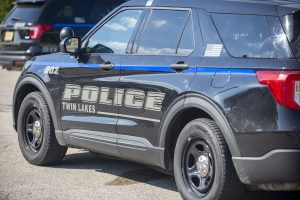
- Twin Lakes Police Department: 920 Lance Drive, Twin Lakes.
- University of Wisconsin-Parkside: Tallent Hall, 900 Wood Road, Kenosha.
The events will offer drive-thru medication disposal, allowing residents to conveniently turn in medications they no longer need. There is no charge to participate, and the county is encouraging residents to take advantage of the opportunity.

Kerkman Administration Distributing Drug-Testing Strips That Critics Say Enable Illegal Drug Use
While the primary purpose of National Drug Take Back Day is to remove unused medications from circulation, the Kerkman administration is also making fentanyl and xylazine test strips available at three collection sites. The strips are used to check substances for the possible presence of these dangerous drugs, including in illegal street drugs.

The practice is part of a broader public-health strategy known as harm reduction. Rather than focusing exclusively on preventing or stopping illegal drug use, harm-reduction programs attempt to reduce the risk of death or serious injury among people who continue using drugs.

Supporters argue that individuals struggling with addiction may continue using illegal drugs regardless of the risks and that test strips can help them avoid unknowingly consuming fentanyl or other dangerous substances. They point to the possibility of preventing fatal overdoses and reducing the burden on emergency medical services, hospitals and families.

Critics, however, question whether government agencies should provide supplies designed to make illegal drug use less dangerous. They argue that distributing test strips can reduce the perceived risks of consuming street drugs, potentially encouraging continued use rather than directing individuals toward abstinence, rehabilitation and recovery.
Another objection involves personal responsibility and the appropriate use of taxpayer resources. Opponents of government-funded harm-reduction programs argue that individuals should be responsible for the costs associated with their own decisions to consume illegal substances, rather than expecting taxpayers to subsidize precautions associated with that behavior.
Some also question the priorities of local government. They argue that public resources should be concentrated on expanding addiction treatment, supporting recovery programs, combating drug trafficking and prosecuting dealers rather than providing supplies intended for people who may continue using illegal drugs.
The effectiveness of the test strips is another point of debate. Research has found that some people who discover fentanyl contamination change their drug-use behavior, but that does not necessarily establish how much a particular distribution program reduces overdose deaths. Furthermore, a negative test result does not guarantee that a drug is safe, particularly because dangerous substances may be unevenly distributed throughout a sample or may not be detected by the test being used.
The distinction between allowing individuals to purchase drug-testing supplies and having government distribute them free of charge is also central to the criticism. Opponents may support the legal availability of test strips through private businesses, charities or treatment organizations while questioning whether taxpayers should be responsible for providing them.
The county’s announcement did not specify the cost of the test strips, the source of funding, how many are expected to be distributed or whether officials have measured the effectiveness of the local program. It also did not explain how the administration weighs spending on drug-testing supplies against other efforts to combat addiction and illegal drug trafficking.
The announcement was issued under Kerkman’s administration, although it did not identify who specifically authorized the test-strip distribution.
Free Narcan Training And Other Resources
Three of the five collection sites will offer additional resources aimed at preventing opioid overdose deaths. The Walmart location, Kenosha County Human Services Building and Kenosha County Center will provide free naloxone training, fentanyl and xylazine test strips, gun locks and information about behavioral health services.
Naloxone, commonly known by the brand name Narcan, is a medication capable of reversing an opioid overdose. County officials say the training takes five minutes or less and teaches participants how to recognize the signs of an overdose and properly administer the potentially lifesaving medication.
Unlike fentanyl and xylazine test strips, which are intended to identify certain substances before consumption, Narcan is administered in response to a suspected opioid overdose. The medication can restore breathing and prevent death while emergency medical assistance is being sought.
The Twin Lakes Police Department and UW-Parkside locations will accept medications but will not offer the additional overdose prevention resources or naloxone training.
What Can And Cannot Be Dropped Off
County officials say residents may bring a wide variety of medications, including prescription drugs, controlled substances, over-the-counter medications, ointments, patches, inhalers, creams, non-aerosol sprays, medication vials and pet medications. Vape pens and other electronic cigarette devices will also be accepted if their batteries have been removed, according to the county’s event flyer.
Several items cannot be accepted, including illegal drugs, needles, syringes and other sharps, aerosol cans, acids, biohazardous materials, and anything containing blood or other bodily fluids. Household hazardous waste, including paint, pesticides, gasoline and oil, will not be accepted. Personal care products such as shampoo, soap, lotion and sunscreen, along with mercury thermometers, are also prohibited.
Walmart Joins The Effort For The First Time
This fall’s event marks the first time Walmart has participated in Kenosha County’s twice-yearly Drug Take Back Day program. The retailer is partnering with Kenosha County Behavioral Health Services and local law enforcement to provide an additional collection location.
“Walmart is proud to partner with Kenosha County Behavioral Health Services and local law enforcement to make safe medication disposal more accessible for our neighbors,” said Mark Cagadas, PharmD, Walmart’s Market Health & Wellness Director. “Hosting Drug Take Back Day gives community members a convenient way to dispose of unneeded medications while helping protect our community and environment.”
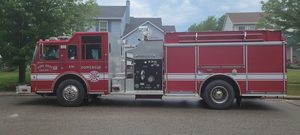
Somers Fire & Rescue will also participate at the Walmart location, where one of the department’s fire apparatuses will be available for the public to view.
Wisconsin Leads The Nation In Drug Collection
Wisconsin has ranked first in the nation for the amount of prescription medications collected during Drug Take Back Day events for five consecutive years, according to Kenosha County officials. During the spring 2026 collection event alone, Wisconsin residents turned in 56,818 pounds of unused medications, according to figures reported by the Wisconsin Department of Justice.
The Kenosha County Division of Behavioral Health Services is organizing the local events in partnership with the Kenosha County Sheriff’s Office, Kenosha Police Department, Twin Lakes Police Department and UW-Parkside Police Department.
Residents interested in learning more about the county’s naloxone distribution program can visit https://tinyurl.com/NaloxoneTrained. All five medication collection locations will be available Saturday, October 24, from 10 a.m. until 2 p.m., with no appointment or payment required.