



(File Photo by Kevin Mathewson, Kenosha County Eye)
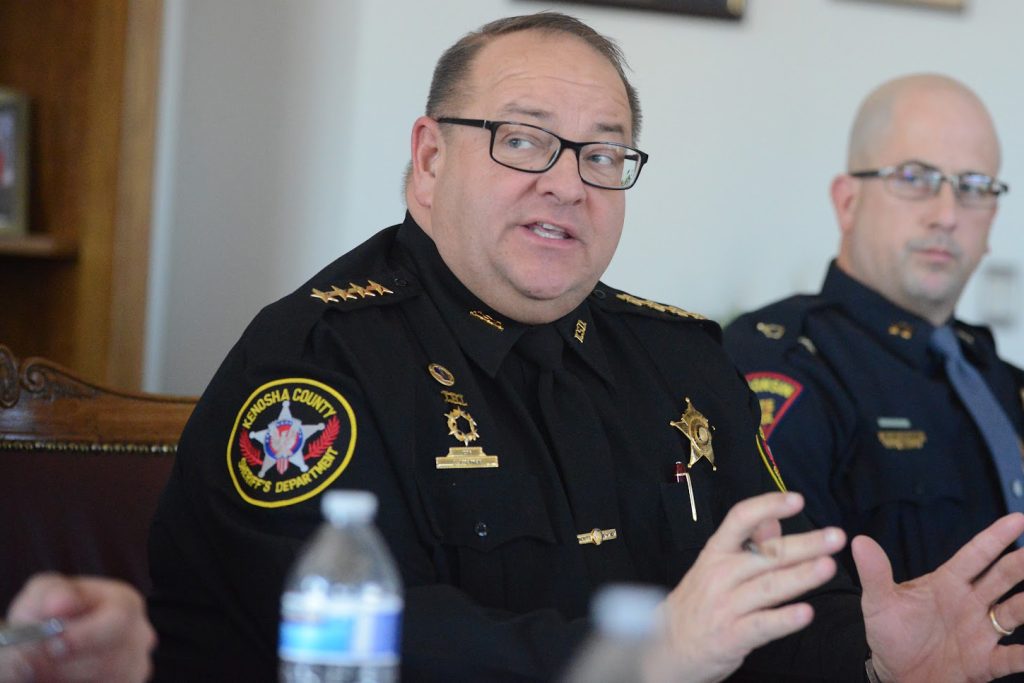
KENOSHA, Wis. — Kenosha County Sheriff David Zoerner told the public that his administration took the Frank McGrath Flock scandal seriously “from the outset” and made sure the matter was independently reviewed for possible criminal conduct. Newly obtained records tell a much different story. The evidence shows the Sheriff’s Office had already completed its internal investigation, had not referred criminal charges, and had not “gone that route” until Kenosha County Eye spent months pressing the issue, directly confronted Zoerner over a nearly identical Milwaukee Flock prosecution, and made clear the matter was not going away.
The records are also unmistakable about when the outside criminal investigation actually began. In a Sept. 1 public-records response, Zoerner’s own office expressly identified Feb. 26, 2026, as “the date of the initial request for an outside criminal investigation.” That same response confirmed Lt. Chase Forster sent the case materials to the Racine County Sheriff’s Office that afternoon so Racine could begin its investigation.
That was more than two months after Kenosha County Eye first asked Zoerner whether McGrath’s alleged misuse of law-enforcement databases would be referred criminally, and it was the morning after KCE confronted him again about the lack of a referral.
What Zoerner Told The Public
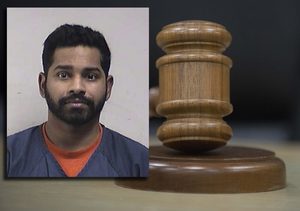
After McGrath was eventually charged with two felony counts of misconduct in public office, Zoerner publicly described the case in a way that made the criminal investigation sound like part of the Sheriff’s Office’s intended handling of the matter from the beginning. He said the office had taken the matter seriously “from the outset” and ensured that it was independently reviewed for possible criminal conduct.
That sounds like a seamless progression: discover misconduct, investigate internally, then immediately make sure it gets criminal review — the records do not show that. Instead, they show that the Sheriff’s Office completed its internal investigation, McGrath resigned, no criminal referral was made, and only later did command staff decide to send the matter outside the agency.
KCE Asked About Criminal Charges In December
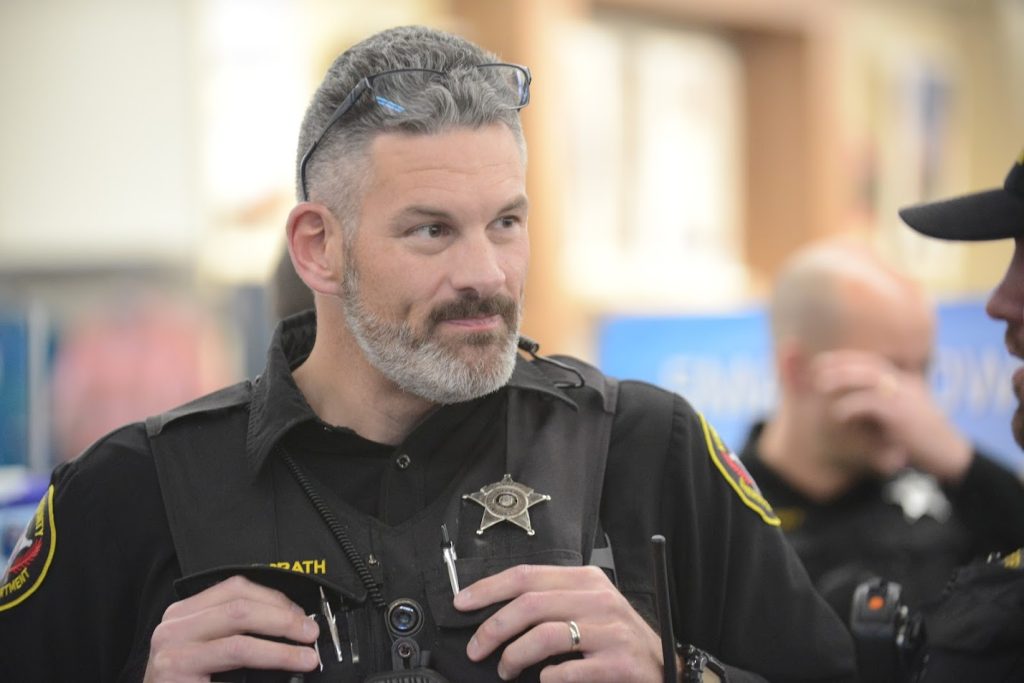
On Dec. 12, 2025, the same day McGrath’s resignation became effective, Kenosha County Eye directly asked Zoerner whether criminal charges would be referred. The inquiry was explicit: “Will you be referring criminal charges based on the alleged misuse of law-enforcement databases and related conduct?”
McGrath’s separation agreement confirms his resignation date as Dec. 12, 2025. It also required his Wisconsin Department of Justice ACADIS status to reflect that he “resigned prior to the completion of internal investigation (inactive).”
(File Photo by Kevin Mathewson, Kenosha County Eye)
There is no record showing that an outside criminal investigation was initiated then. Weeks passed, then more weeks passed, while KCE continued reporting on the alleged Flock misuse and questioning why conduct serious enough to end McGrath’s law-enforcement career had apparently not been treated as a criminal matter.
Milwaukee Charges An Officer Over Similar Flock Misuse
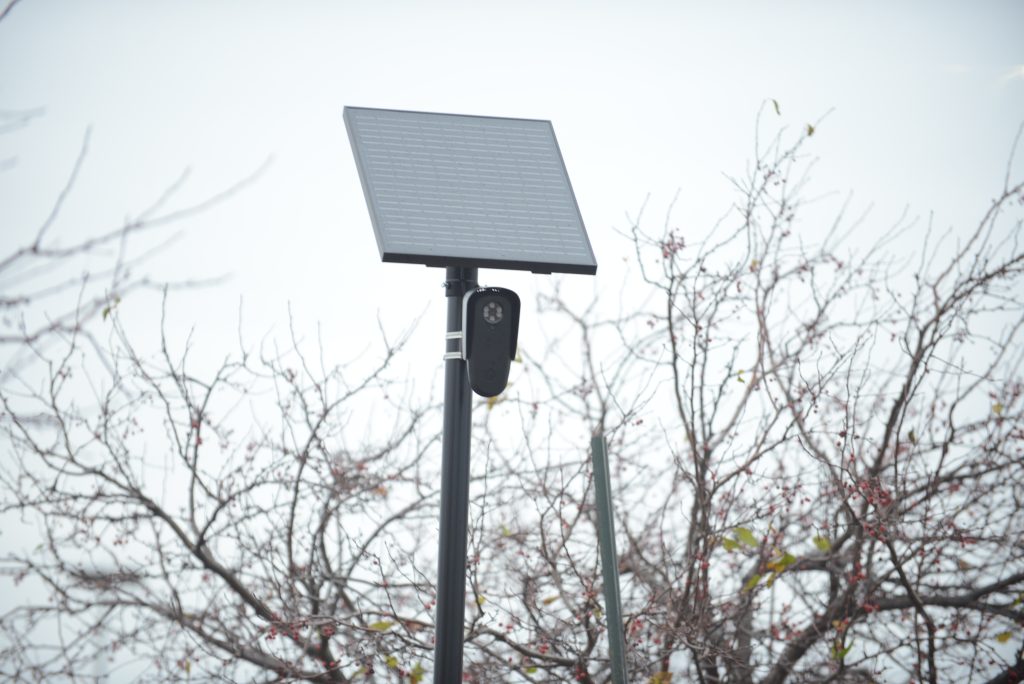
On Feb. 24, 2026, Milwaukee County filed criminal charges against Milwaukee Police Officer Josue Ayala over alleged personal misuse of the Flock license plate reader system. The next morning, Feb. 25 at 10:03 a.m., KCE emailed Zoerner again and put the comparison directly in front of him.
“Former Kenosha County Deputy Frank McGrath misused the Flock system in the same way. Yet no criminal charges were referred in his case,” Mathewson wrote. He then asked Zoerner why Milwaukee County was willing to criminally charge one of its own officers over alleged Flock misuse while Zoerner’s administration had made no criminal referral involving McGrath.
(File Photo by Kevin Mathewson, Kenosha County Eye)
[EMAIL SCREENSHOT: Feb. 25, 2026 email to Zoerner. Highlight “Yet no criminal charges were referred in his case.” Keep the 10:03 a.m. timestamp clearly visible. This is one of the most important pieces of evidence in the story.]
The next morning, Kenosha called Racine. That sequence matters because the Sheriff’s Office had already had months to make the referral. It did not do so after the alleged misconduct was uncovered, it did not do so when the internal investigation began, and it did not do so when KCE first asked about criminal charges in December. The outside criminal investigation began only after KCE confronted Zoerner again with a nearly identical Milwaukee prosecution.
The Phone Call That Blows Up Zoerner’s Narrative
On Feb. 26 at about 10:56 a.m., Kenosha County Sheriff’s Capt. Steven Beranis called Racine County Sheriff’s Capt. Cary Madrigal and left a message saying he was “looking for some help on an investigation.” Madrigal returned the call shortly after 11 a.m.
During that recorded conversation, Beranis told Madrigal that McGrath had “resigned in lieu of termination over his flock searches.” He then made a statement that is nearly impossible to reconcile with Zoerner’s later public portrayal of the criminal investigation: “So, we did not refer charges, or we didn’t go that route, but now with this, and I think, so the chief came to me and says, hey, we need somebody to do the criminal police investigative look into this.”
There it is: “We did not refer charges.” “We didn’t go that route.” But “now” the direction had changed. When Beranis referred to “the chief,” he was referring to Chief Deputy Justin Miller. Beranis also acknowledged that Kenosha had already completed the internal investigation, telling Madrigal, “So, we did the full IA…” That makes the delay even more significant because this was not a situation where the IA had just wrapped up and the criminal referral immediately followed.
The Sheriff’s Office had already done the internal investigation. McGrath had already resigned. The department had already not pursued criminal charges. Then KCE confronted Zoerner again……the next morning, Racine got the call.
“How Come Now?”
Perhaps the most damaging moment in the entire recorded conversation came when Beranis himself acknowledged the timing problem. While discussing the referral, he said Madrigal should ask: “How come now you want this looked at? How come you didn’t look at this months ago?”
That is not Kenosha County Eye putting words into anyone’s mouth. That is not hindsight months later. That is a Kenosha County Sheriff’s captain, at the exact moment the outside criminal investigation was being initiated, recognizing that the obvious question was why the agency was doing it “now” rather than “months ago.” That exchange is devastating to any claim that Zoerner immediately sought criminal review. If a criminal investigation had truly been ordered immediately, there would have been no reason for Beranis to acknowledge the glaring question of why it had not happened months earlier.
The Timeline That Makes The Catalyst Unmistakable
The chronology is so tight that it deserves to be laid out separately:
- Dec. 12, 2025: KCE asks Zoerner directly whether McGrath’s alleged misuse of law-enforcement databases will be referred for criminal charges.
- Dec. 12, 2025: McGrath’s resignation becomes effective.
- December through February: KCE continues reporting on McGrath’s alleged Flock misuse and questioning why there has been no criminal referral.
- Feb. 24, 2026: Milwaukee County charges an officer over similar alleged personal misuse of Flock.
- Feb. 25, 2026, 10:03 a.m.: KCE emails Zoerner again, specifically pointing out that Milwaukee charged its officer while McGrath had faced no criminal referral.
- Feb. 26, 2026, about 10:56 a.m.: Beranis calls Racine seeking help with an investigation.
- Feb. 26, shortly after 11 a.m.: Beranis tells Madrigal that Kenosha “did not refer charges” and “didn’t go that route,” but that now Chief Deputy Justin Miller wanted a criminal investigation.
- Feb. 26: Beranis acknowledges the obvious question of why the matter is being investigated “now” instead of “months ago.”
- Feb. 26: Forster sends the case materials to Racine so the outside criminal investigation can begin. Zoerner’s own office later identifies that date as the initial request for an outside criminal investigation.
- March 6, 2026: Mathewson follows through and files a John Doe petition seeking judicial scrutiny of McGrath’s conduct.
That timeline is extraordinarily strong circumstantial evidence that Kenosha County Eye was the catalyst for the criminal investigation. The Sheriff’s Office had months to send McGrath’s conduct for criminal review and did not. KCE repeatedly raised the issue, directly asked Zoerner about criminal charges in December, and then confronted him again on Feb. 25 with a nearly identical Milwaukee prosecution. Roughly 25 hours later, the Sheriff’s Office suddenly called Racine, and Beranis admitted during that very call that Kenosha previously “did not refer charges” and “didn’t go that route.”
Without a written admission saying, “Kevin Mathewson forced us to do this,” circumstantial evidence rarely gets much cleaner than that.
The John Doe Pressure Was Real
By late February, Zoerner also knew KCE was not going to let the issue die. Mathewson had been pressing the criminal-referral question since December and was prepared to escalate the issue through Wisconsin’s John Doe process if the Sheriff’s Office continued refusing to act.
On March 6, Mathewson followed through and filed a John Doe petition under Wis. Stat. § 968.26 seeking a judicial criminal investigation into McGrath’s conduct. The actual filing came after Racine had been contacted, but the pressure did not begin March 6. It had been building for months, and by the time of the Feb. 25 media inquiry, Zoerner knew KCE was prepared to force the issue into court.
The sequence is simple and difficult to explain away: KCE presses the lack of criminal charges for months, KCE points Zoerner directly to the Milwaukee prosecution on Feb. 25, and the next morning the Sheriff’s Office initiates the outside criminal investigation it had previously declined to pursue.
Who Really Ordered The Criminal Investigation?
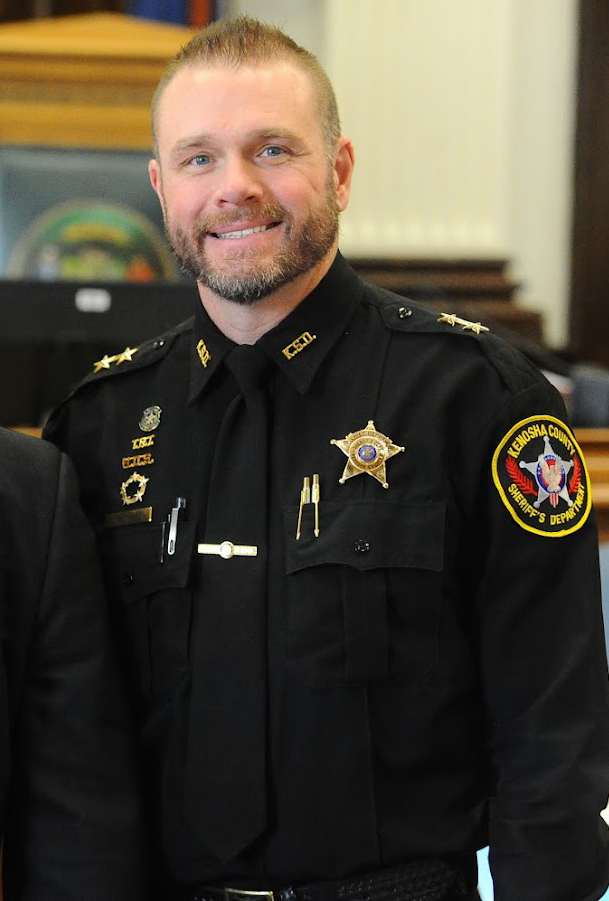
Another significant question remains unanswered. Beranis did not tell Madrigal that Sheriff David Zoerner came to him and ordered a criminal investigation. He said “the chief” came to him and said an outside criminal investigation was needed. That means Chief Deputy Justin Miller.
Former Capt. Eric Klinkhammer had been the Operations captain during much of the underlying internal matter but retired before the February Racine referral. By Feb. 26, Beranis was the captain making the contact with Racine, and according to Beranis, the direction came from Miller. So who actually decided to send the matter to Racine County? Did Miller make that decision independently? Did Zoerner order Miller to have it done? Did Miller tell Zoerner beforehand? Did Zoerner approve the referral before Beranis called Racine? Or did Zoerner later publicly take ownership of a decision that his chief deputy made only after months of inaction and mounting pressure from KCE?
(File Photo by Kevin Mathewson, Kenosha County Eye)
Those are not minor questions because Zoerner has publicly portrayed the criminal review as evidence that his administration handled the matter properly from the beginning.
Zoerner Was Given One Last Chance
Before publication, Kenosha County Eye sent Zoerner a detailed media inquiry laying out the timeline, quoting Beranis’s recorded statements, and directly accusing Zoerner of lying to the public about the criminal-referral timeline. KCE asked him why he told the media that he immediately sought criminal review when his own records identify Feb. 26 as the initial outside request and his own captain admitted Kenosha previously “did not refer charges” and “didn’t go that route.”
Zoerner was also asked whether it was actually Chief Deputy Justin Miller who ordered the outside investigation, whether Zoerner directed Miller to do so, and whether KCE’s Feb. 25 inquiry and the Milwaukee prosecution prompted the decision. KCE asked Zoerner to produce any contemporaneous email, text, memorandum, meeting note or other record created before Feb. 26 showing that he had previously ordered a criminal investigation.
He was also given an opportunity to apologize to the residents of Kenosha County for misleading them and to correct the record. Because dishonesty by law-enforcement officers can create credibility issues in criminal proceedings, Zoerner was additionally asked whether, if his public claim was knowingly false, he believes that dishonesty should raise Brady/Giglio disclosure concerns.
Zoerner did not respond.
The Receipts Are His Own Records
This is not a disagreement over political philosophy or an argument about tone. It is a timeline built from Zoerner’s own records, KCE’s timestamped emails and the recorded words of his own command staff.
Zoerner told the public that his office took the matter seriously “from the outset” and ensured independent criminal review. His own office says the initial outside criminal request was not made until Feb. 26. His own captain said Kenosha “did not refer charges” and “didn’t go that route.” His own captain said Chief Deputy Miller now wanted a criminal investigation, and his own captain acknowledged the obvious question of why the matter was being looked at “now” instead of “months ago.”
And the referral happened the morning after Kenosha County Eye confronted Zoerner over a nearly identical Milwaukee Flock prosecution. That is not the story Zoerner told the public — and his own records expose it.
The Sheriff’s Office changed course. The timeline shows when it changed course. The recording shows command staff knew it was changing course. And the timing provides powerful evidence of what forced that change.
Kenosha County Eye asked Zoerner to explain it and gave him the opportunity to produce evidence showing that he had ordered an immediate criminal investigation all along.
He chose silence.
The recording remains. The emails remain. The timeline remains……and so do the receipts.




18 Responses
All this mess to cover for a rogue deputy that should have been charged from the outset.
Ok now do Racine County’s soon to be incompetent Sheriff.
I wish someone was running against this sheriff in the fall. The two Republicans that ran against this sheriff, one of them should of stepped out of the race. Now we are stuck with this sheriff until the next sheriff election!
Write in GONZALE
That one should have dropped out.
We now need to get serious about a write in campaign.
Tony ? Are you interested in holding a news conference now and ask for people’s votes ????
Until you say you still want the job if for no other reason than to make sure Zoerner isn’t sheriff any longer than necessary, nobody will consider it a viable option.
Many people that read the news here have already said they would write you in. I fully intend to. But unless you go out and ask us to do it my vote and others like mine won’t even come close.
This is a village board seat. Or and random school board seat.
This is SHERIFF !!!!!
Come on Tony. Please tell us that you want it. Restart the campaign. At least try. If for no other reason than to see if it’s possible
News Flash… when Zoerner lips are moving… he’s lying!!!!
Sounds like a Brady list issue if you ask me
I firmly believe he belongs on the Brady list
DAs office itls the group that does that and keeps a list.
News Flash… when Zoerner lips are moving… he’s lying!!!!
DAs office has that power and keeps the list
Who approved flock cameras for Kenosha county? Get flock out, we don’t need a surveillance state.
Well Sam Kerkman has been trying to force them on every single municipality….
In Kenosha County, Flock Safety automated license plate reader (ALPR) cameras were not approved by a single governing body, but rather adopted independently by individual municipal law enforcement agencies and local government bodies:
Kenosha Police Department: The deployment of 25 Flock cameras within city limits was spearheaded by Police Chief Patrick Patton and Detective Bureau Commander Capt. James Beller. Funding and implementation were approved through the Kenosha Common Council and the Mayor’s Office.
Kenosha County Sheriff’s Office: The Sheriff’s Office independently integrated Flock Safety cameras into county public safety operations under agency leadership, including Sheriff David Zoerner.
Other Local Municipalities: Village departments (such as the Pleasant Prairie Police Department) approved and installed their own Flock cameras through their respective village board or departmental budgeting processes.
Additionally, private entities and some local homeowners associations (HOAs) in the county have purchased and installed their own Flock systems, sharing feed access with local police.
There’s one on the sign over the interstate near the PP truck scale.
Well Sam Kerkman has been trying to force them on every single municipality….
Wow when it comes to the Sheriff’s Buddies that’s how it goes
Kenosha Police Department offered to investigate it when it first happened. The sheriff refused the outside.
zoerner is such a loser slob liar cant believe he’s the sheriff….disgusting