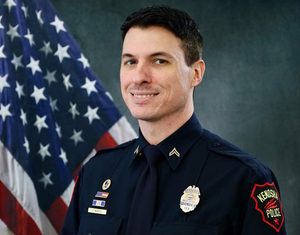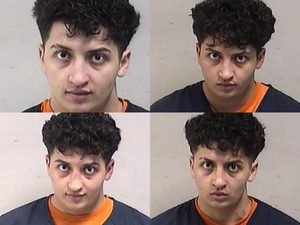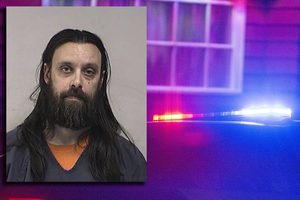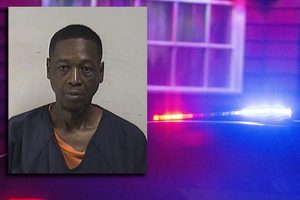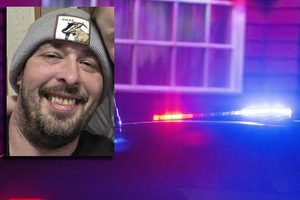



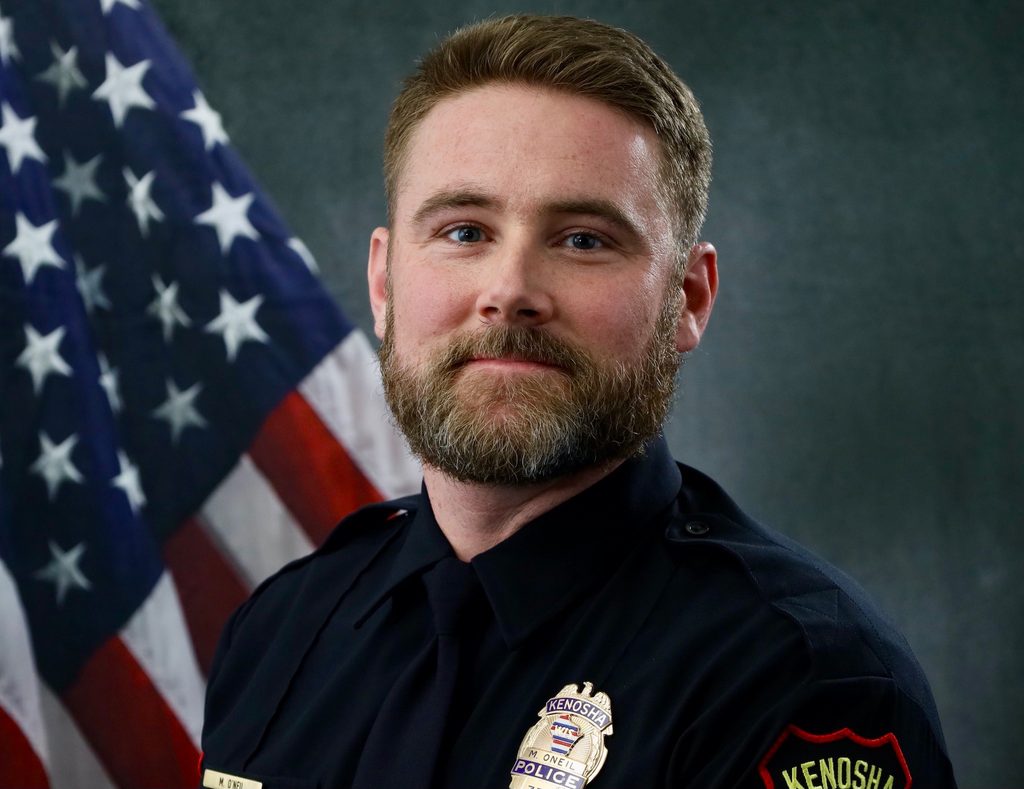
KENOSHA, Wis. — Kenosha Police Officer Michael O’Neil has been cleared of criminal wrongdoing in the May 5, 2026, shooting of Andres Casas, 35, of Kenosha, a convicted felon now facing five counts of attempted first-degree intentional homicide for allegedly opening fire on five Kenosha police officers. Kenosha County District Attorney Xavier Solis issued a seven-page determination dated November 2, concluding that O’Neil’s decision to shoot Casas during the final moments of a nearly eight-hour armed standoff was lawful and justified. The determination reveals significant new details, including that officers attempted to contact Casas 51 times, fired less-lethal bean-bag rounds, and attempted to use a Taser before O’Neil fired a single rifle round.

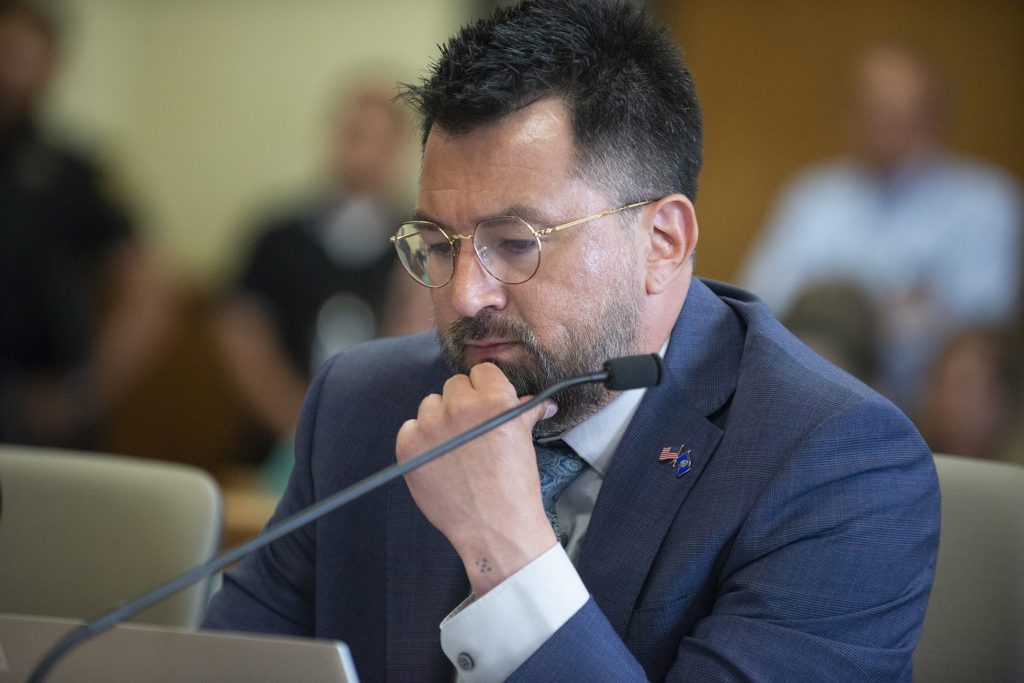
(File Photo by Kevin Mathewson, Kenosha County Eye)
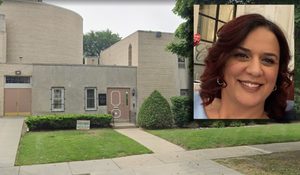
The shooting occurred following a massive police response to a residence at 4909 14th Avenue on May 4. Police were initially investigating a domestic-related incident involving Casas when officers located him at the residence and attempted to take him into custody. Casas refused to surrender, and when officers forced entry into the home, he allegedly opened fire on five officers positioned outside the doorway.

Investigators subsequently recovered 16 fired cartridge casings and 14 bullets or bullet fragments from inside the residence. Two additional projectiles were determined to have exited the residence and were not recovered. The Wisconsin State Crime Laboratory determined that three bullets traveled through the entrance door while it was opening, at heights of approximately three to four feet above the floor. Investigators concluded that officers could have been struck had they continued entering the residence.
The gunfire triggered a massive response involving the Kenosha Police Department, Kenosha County Sheriff’s Office, Wisconsin State Patrol, Pleasant Prairie Police Department, SWAT teams, armored BearCat vehicles, and hostage negotiators. Officers surrounded the residence and repeatedly attempted to persuade Casas to surrender peacefully.

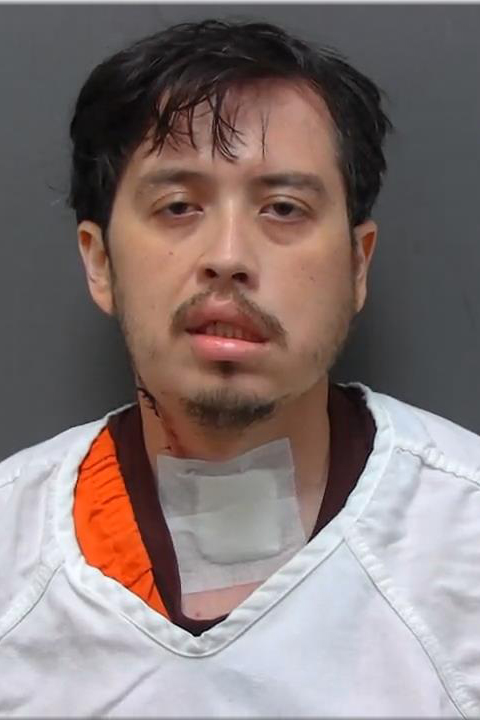
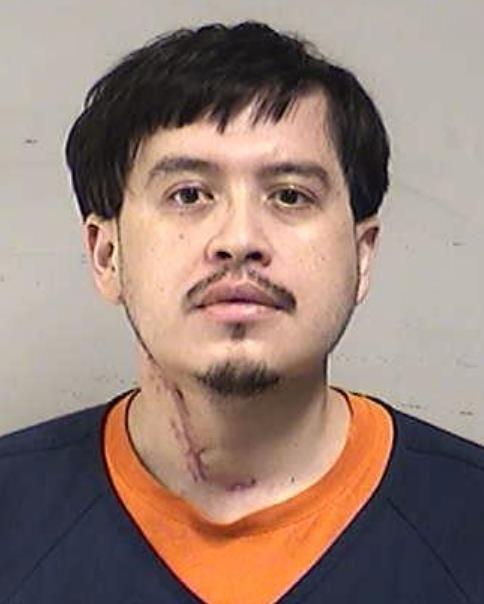
According to Solis’s determination, hostage negotiators made 51 attempts to contact Casas and sent approximately 20 text messages. Casas answered several telephone calls but refused to surrender. Police also deployed chemical munitions and repeatedly used loudspeakers to order Casas to come outside. Additional gunshots were heard coming from inside the residence throughout the standoff.

At approximately 1:34 a.m. on May 5, Casas emerged through a window on the side of the residence while holding a handgun in his right hand. Investigators determined that Casas had fired two additional shots inside the home just five minutes before exiting.

O’Neil illuminated Casas with the flashlight mounted on his rifle and repeatedly warned fellow officers that Casas was armed. Officers ordered Casas to drop the handgun and get on the ground, but he refused to comply.

Rather than immediately shooting Casas, officers attempted to incapacitate him using less-lethal weapons. Approximately three bean-bag rounds were directed at Casas, but he continued holding the handgun and refused to surrender. Officer Eric Shupryt then attempted to deploy a Taser through a chain-link fence, but that attempt was unsuccessful.

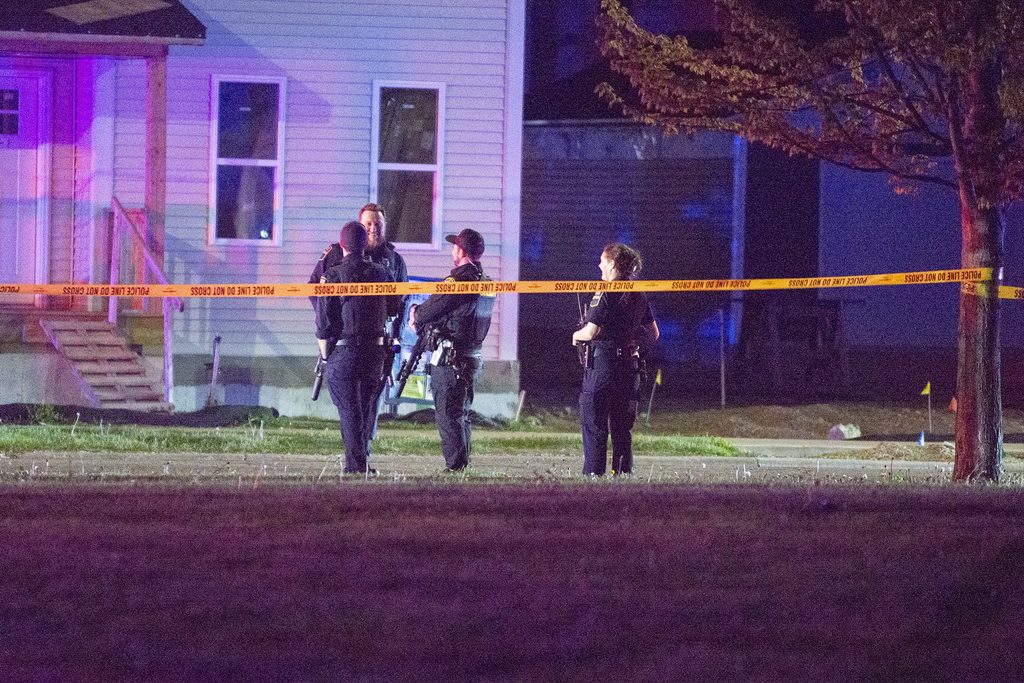
(Photo by Kevin Mathewson, Kenosha County Eye)
Shupryt reported that Casas suddenly turned toward officers while raising the arm holding his firearm. At approximately 1:34:46 a.m., O’Neil fired one round from his department-issued .223-caliber rifle, striking Casas in the area of his right arm and neck. O’Neil did not fire a second shot.
Even after Casas was wounded, officers remained concerned about the location of his handgun. Casas continued moving on the ground, and officers could not immediately determine whether he still had access to the weapon. A police K9 was ultimately deployed to help separate Casas from the firearm before officers approached and provided medical assistance.
Investigators recovered a Smith & Wesson SD9VE 9mm handgun near the location where Casas was apprehended. The firearm contained one unfired cartridge in the chamber and 11 additional rounds in the magazine.
The officer-involved shooting was investigated by the Kenosha-Racine Area Investigative Team, with the Racine County Sheriff’s Office serving as the lead investigative agency. Investigators reviewed body-worn-camera recordings, officer interviews, firearm evidence, bullet trajectories, and the circumstances surrounding the shooting.
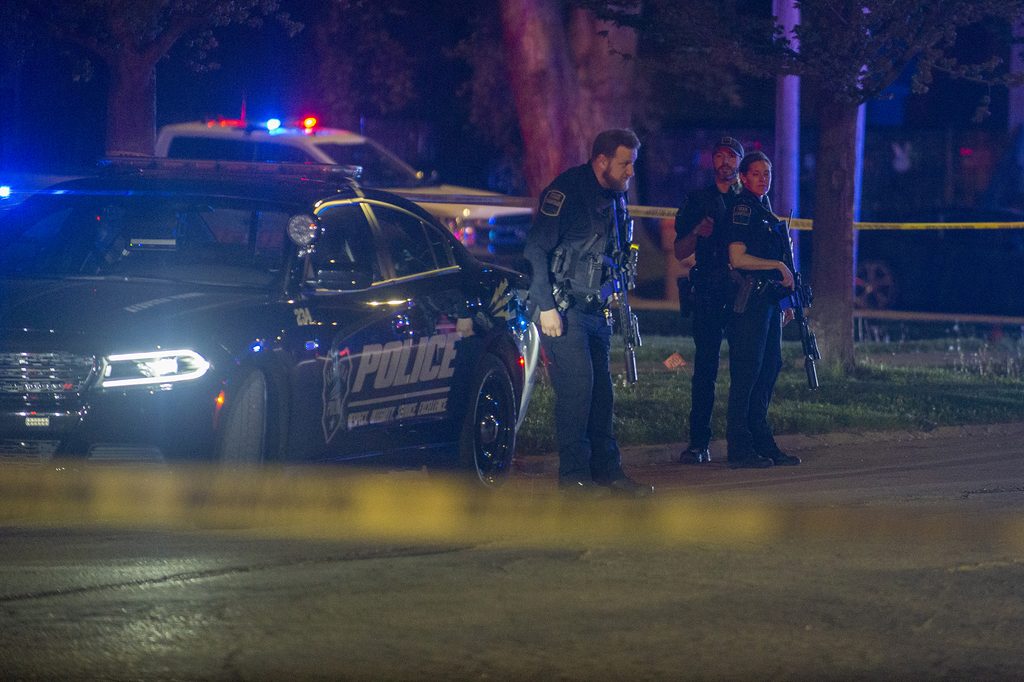
(Photo by Kevin Mathewson, Kenosha County Eye)
Solis concluded that O’Neil reasonably believed Casas presented an imminent threat of death or great bodily harm to officers and others in the area. He emphasized that officers had already been fired upon, Casas remained armed despite repeated commands, and multiple less-lethal methods had failed.
“The law requires reasonableness, not hesitation until an officer or another person is actually shot,” Solis wrote in his determination.
Solis also emphasized that O’Neil fired only once and stopped when the circumstances changed. The district attorney determined that the officer’s actions were objectively reasonable under Wisconsin law and the Fourth Amendment.
The shooting left Casas seriously wounded, but he survived and was subsequently charged with five counts of attempted first-degree intentional homicide, first-degree recklessly endangering safety, possession of a firearm by a felon, and resisting an officer. Judge Jodi Meier signed a $1.5 million cash arrest warrant on June 10, 2026.
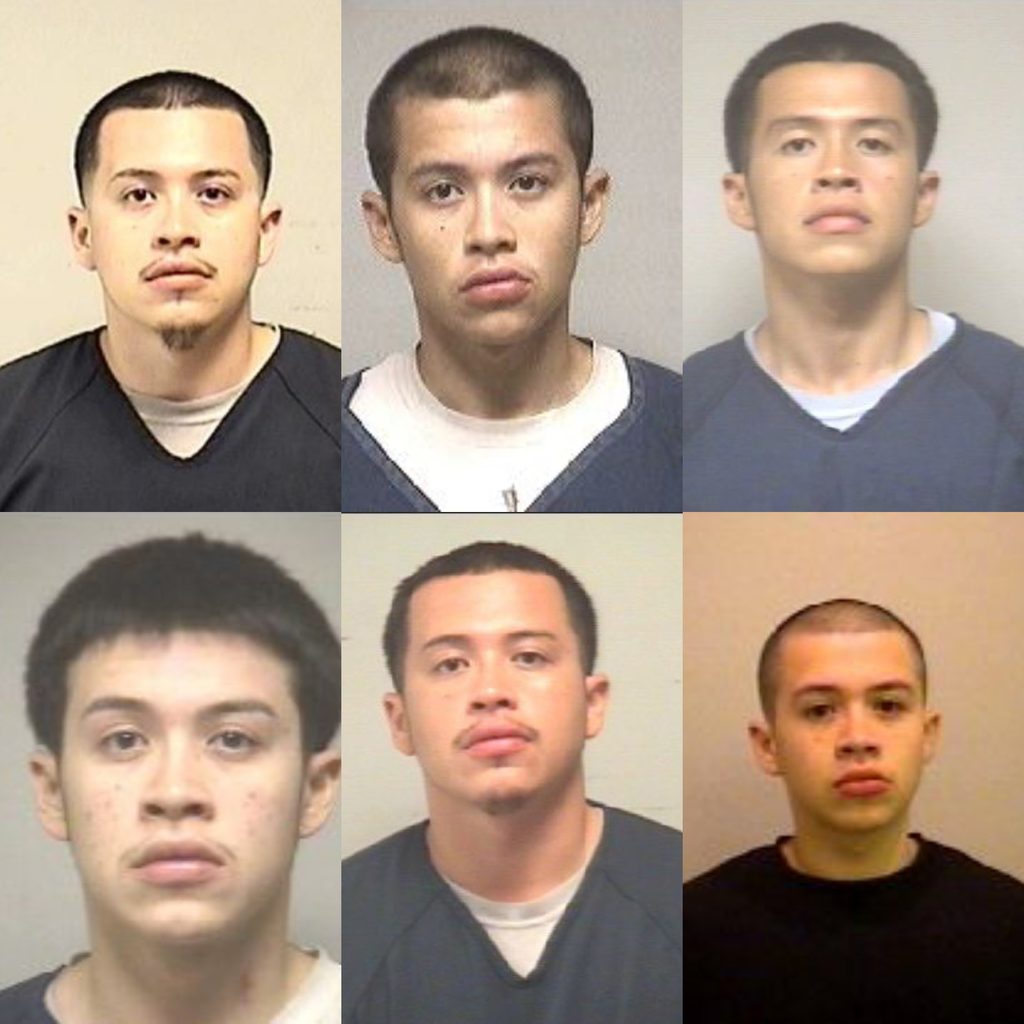
Casas has an extensive criminal history dating back to his teenage years. In 2008, he was charged with multiple violent felonies stemming from an attempted armed robbery and shooting incident near Jane Vernon Elementary School. Several charges were dismissed as part of a plea agreement handled by then-Assistant District Attorney Michael Graveley, and Casas ultimately received two years of initial confinement.
Casas was later convicted in a major cocaine trafficking case involving drug activity near Kenosha schools and parks. In that case, prosecuted by then-Deputy District Attorney Rosa Delgado, Casas received eight years of initial confinement followed by six years of extended supervision.
Kenosha County Eye was present throughout the May standoff and personally witnessed officers repeatedly attempting to obtain Casas’s surrender. The newly released determination provides additional confirmation of the extensive efforts officers made to resolve the confrontation without deadly force.
The shooting occurred following a massive police response to a residence at 4909 14th Avenue on May 4. Police were initially investigating a domestic-related incident involving Casas when officers located him at the residence and attempted to take him into custody. Casas refused to surrender, and when officers forced entry into the home, he allegedly opened fire on five officers positioned outside the doorway.
Investigators subsequently recovered 16 fired cartridge casings and 14 bullets or bullet fragments from inside the residence. Two additional projectiles were determined to have exited the residence and were not recovered. The Wisconsin State Crime Laboratory determined that three bullets traveled through the entrance door while it was opening, at heights of approximately three to four feet above the floor. Investigators concluded that officers could have been struck had they continued entering the residence.
The gunfire triggered a massive response involving the Kenosha Police Department, Kenosha County Sheriff’s Office, Wisconsin State Patrol, Pleasant Prairie Police Department, SWAT teams, armored BearCat vehicles, and hostage negotiators. Officers surrounded the residence and repeatedly attempted to persuade Casas to surrender peacefully.
According to Solis’s determination, hostage negotiators made 51 attempts to contact Casas and sent approximately 20 text messages. Casas answered several telephone calls but refused to surrender. Police also deployed chemical munitions and repeatedly used loudspeakers to order Casas to come outside. Additional gunshots were heard coming from inside the residence throughout the standoff.
At approximately 1:34 a.m. on May 5, Casas emerged through a window on the side of the residence while holding a handgun in his right hand. Investigators determined that Casas had fired two additional shots inside the home just five minutes before exiting.
O’Neil illuminated Casas with the flashlight mounted on his rifle and repeatedly warned fellow officers that Casas was armed. Officers ordered Casas to drop the handgun and get on the ground, but he refused to comply.
Rather than immediately shooting Casas, officers attempted to incapacitate him using less-lethal weapons. Approximately three bean-bag rounds were directed at Casas, but he continued holding the handgun and refused to surrender. Officer Eric Shupryt then attempted to deploy a Taser through a chain-link fence, but that attempt was unsuccessful.
Shupryt reported that Casas suddenly turned toward officers while raising the arm holding his firearm. At approximately 1:34:46 a.m., O’Neil fired one round from his department-issued .223-caliber rifle, striking Casas in the area of his right arm and neck. O’Neil did not fire a second shot.
Even after Casas was wounded, officers remained concerned about the location of his handgun. Casas continued moving on the ground, and officers could not immediately determine whether he still had access to the weapon. A police K9 was ultimately deployed to help separate Casas from the firearm before officers approached and provided medical assistance.
Investigators recovered a Smith & Wesson SD9VE 9mm handgun near the location where Casas was apprehended. The firearm contained one unfired cartridge in the chamber and 11 additional rounds in the magazine.
The officer-involved shooting was investigated by the Kenosha-Racine Area Investigative Team, with the Racine County Sheriff’s Office serving as the lead investigative agency. Investigators reviewed body-worn-camera recordings, officer interviews, firearm evidence, bullet trajectories, and the circumstances surrounding the shooting.
Solis concluded that O’Neil reasonably believed Casas presented an imminent threat of death or great bodily harm to officers and others in the area. He emphasized that officers had already been fired upon, Casas remained armed despite repeated commands, and multiple less-lethal methods had failed.
“The law requires reasonableness, not hesitation until an officer or another person is actually shot,” Solis wrote in his determination.
Solis also emphasized that O’Neil fired only once and stopped when the circumstances changed. The district attorney determined that the officer’s actions were objectively reasonable under Wisconsin law and the Fourth Amendment.
The shooting left Casas seriously wounded, but he survived and was subsequently charged with five counts of attempted first-degree intentional homicide, first-degree recklessly endangering safety, possession of a firearm by a felon, and resisting an officer. Judge Jodi Meier signed a $1.5 million cash arrest warrant on June 10, 2026.
Casas has an extensive criminal history dating back to his teenage years. In 2008, he was charged with multiple violent felonies stemming from an attempted armed robbery and shooting incident near Jane Vernon Elementary School. Several charges were dismissed as part of a plea agreement handled by then-Assistant District Attorney Michael Graveley, and Casas ultimately received two years of initial confinement.
Casas was later convicted in a major cocaine trafficking case involving drug activity near Kenosha schools and parks. In that case, prosecuted by then-Deputy District Attorney Rosa Delgado, Casas received eight years of initial confinement followed by six years of extended supervision.
Kenosha County Eye was present throughout the May standoff and personally witnessed officers repeatedly attempting to obtain Casas’s surrender. The newly released determination provides additional confirmation of the extensive efforts officers made to resolve the confrontation without deadly force.
Solis’s decision brings the criminal review of O’Neil’s actions to a close. The district attorney concluded that the shooting was justified and that no criminal charges would be filed against the officer.