



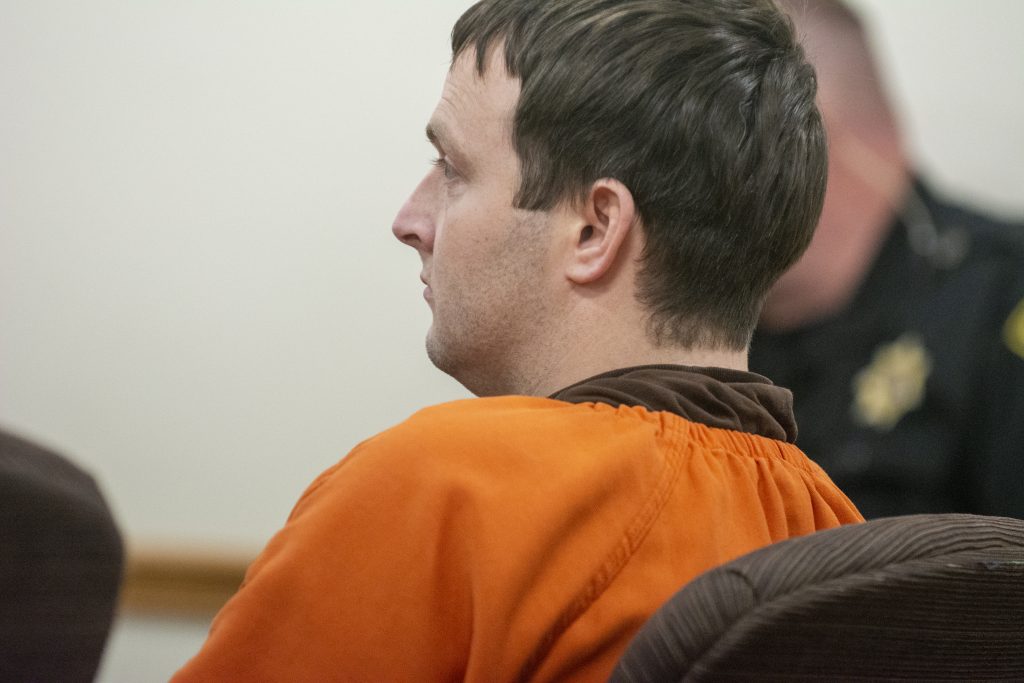
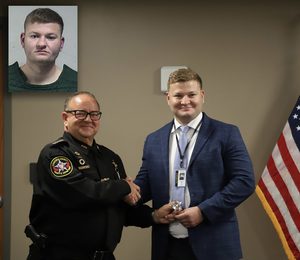
(Photo by Kevin Mathewson, Kenosha County Eye)
RACINE, Wis. — A 27-year-old Bristol man convicted of raping a sleeping woman was sentenced Monday to six years in state prison following a tense hearing before Racine County Circuit Judge Faye Flancher.
You must be logged in to view the rest of this article.




















8 Responses
“F. Flancher” looks like a real scholar.
Even his hairline’s trying to run away from him
6 years?? Should be 600 years… should be firing squad…. He’ll be back at it in 6 years?!!!
This is a general overview of what a 27-year-old might expect after being sentenced to six years in prison. The actual experience can vary widely depending on the country, state, specific institution, the nature of the crime, and the individual’s personal history.
Initial Stages: Intake and Classification
Upon entering the prison system, a person is processed through an intake and classification procedure. This involves:
Reception: They are transported from court to a reception center or a designated part of a prison.
Processing: This includes a strip search, confiscation of personal belongings (which are stored), and being issued a prison number and a set of state-issued clothing and basic toiletries. They will not be allowed to keep cash.
Assessment: Prison staff will conduct a comprehensive assessment. This evaluation determines the individual’s security classification (minimum, medium, or maximum security), their housing assignment, and their eligibility for various programs. Factors considered include the nature of the crime, criminal history, and any mental or physical health needs.
Daily Life
Prison life is highly structured and routine. A typical day is not a free-for-all; it’s a series of scheduled activities and rigid rules.
Routine: Days are controlled by a strict schedule of wake-up times, meals, work assignments, recreation, and “count” times when inmates must be in their cells to be counted.
Housing: Housing can range from multi-person dormitories to shared or solitary cells, depending on the facility and the inmate’s security level.
Work and Programs: Most inmates are required to work. This could be a job within the prison (like kitchen duty, laundry, or maintenance) or a position in a prison industry. Inmates can also participate in educational and vocational programs, which are often encouraged to reduce recidivism.
Recreation: Inmates have access to recreation time in a yard or gym, where they can exercise, play sports, or socialize.
Communication: Contact with the outside world is limited. Inmates can make phone calls (often expensive and monitored), receive mail, and have scheduled visits from family and friends.
The Six-Year Sentence: Parole and Release
A six-year sentence doesn’t necessarily mean six years behind bars. The individual’s time served can be reduced by several factors.
Parole Eligibility: In many jurisdictions, inmates become eligible for parole after serving a portion of their sentence, often one-third or one-half. For a six-year sentence, this could mean being eligible for a hearing after two or three years. However, eligibility does not guarantee parole.
Good Time Credit: Most systems offer a reduction in sentence for good behavior. This “good time” credit can significantly shorten the time served.
Parole Board Hearing: When an inmate is eligible for parole, they will appear before a parole board. The board will review their case file, consider their behavior in prison, participation in rehabilitation programs, and a release plan. They will also consider statements from victims or other interested parties.
Rehabilitation Programs: Participation in programs is crucial for a successful parole application. Programs may include:
Educational: High school equivalency (GED) classes, vocational training, and sometimes even college courses.
Therapeutic: Substance abuse treatment, anger management, and other counseling.
Skill-building: Job training and life skills courses to prepare for re-entry into society.
Challenges and Considerations
Safety: The environment can be dangerous, and a 27-year-old may face conflicts with other inmates. It is often advised to keep a low profile, avoid getting involved in others’ conflicts, and focus on personal improvement.
Mental Health: The emotional and psychological toll of imprisonment is significant. Feelings of isolation, depression, and anxiety are common. Many prisons offer mental health services, including therapy and support groups.
Re-entry: Even with a successful prison term, returning to society after six years can be a major challenge. The world changes, and a former inmate may struggle with finding housing and employment, rebuilding relationships, and navigating a life without the rigid structure of prison
No one cares AI loser
He will make someone a fine wife.
PIG
She is a liar!!🤥