


(Photo by Kevin Mathewson, Kenosha County Eye)
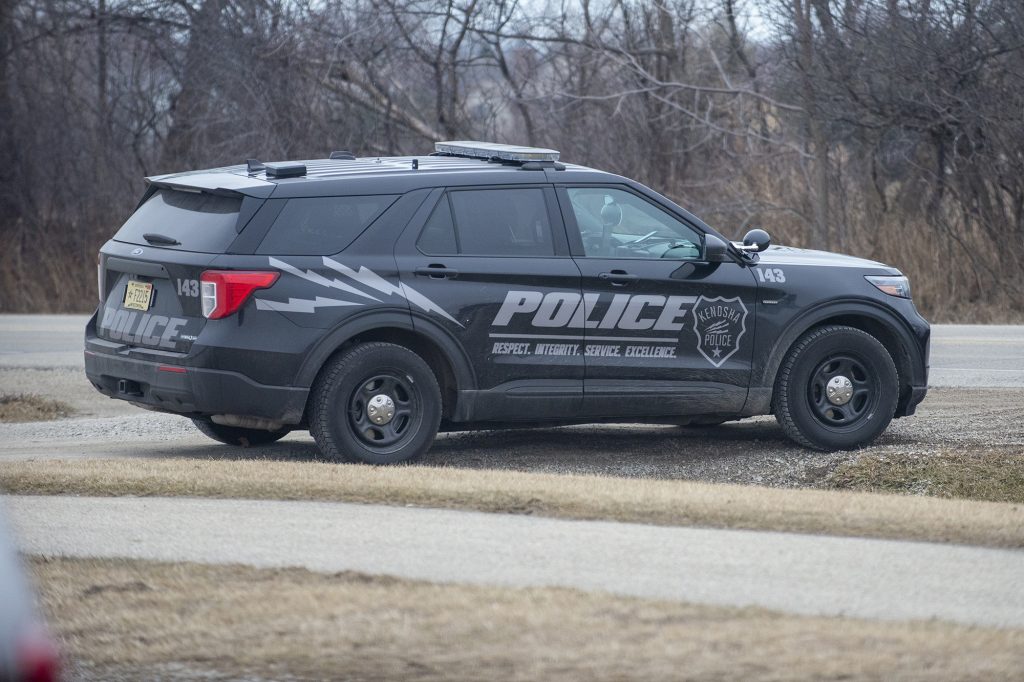
SOMERS, Wis. — A swatting hoax that included a reported countdown and a request for a negotiator triggered a roughly three-hour lockdown Saturday morning at the University of Wisconsin-Parkside, canceling a collegiate track meet and prompting a large, multi-agency law enforcement response.
(Photo by Kevin Mathewson, Kenosha County Eye)
Authorities later determined there was no active threat to campus.
According to law enforcement radio traffic, the caller referenced a timeline — at one point stating there were “seven minutes” — and requested a negotiator. A Google Voice phone number was provided for contact as officers attempted to communicate with the individual.
(Photo by Kevin Mathewson, Kenosha County Eye)
Investigators are examining the origin of that number. Sources indicate the same Google Voice number has been associated with a recent swatting incident in Florida, raising the possibility of a coordinated or repeat hoax.
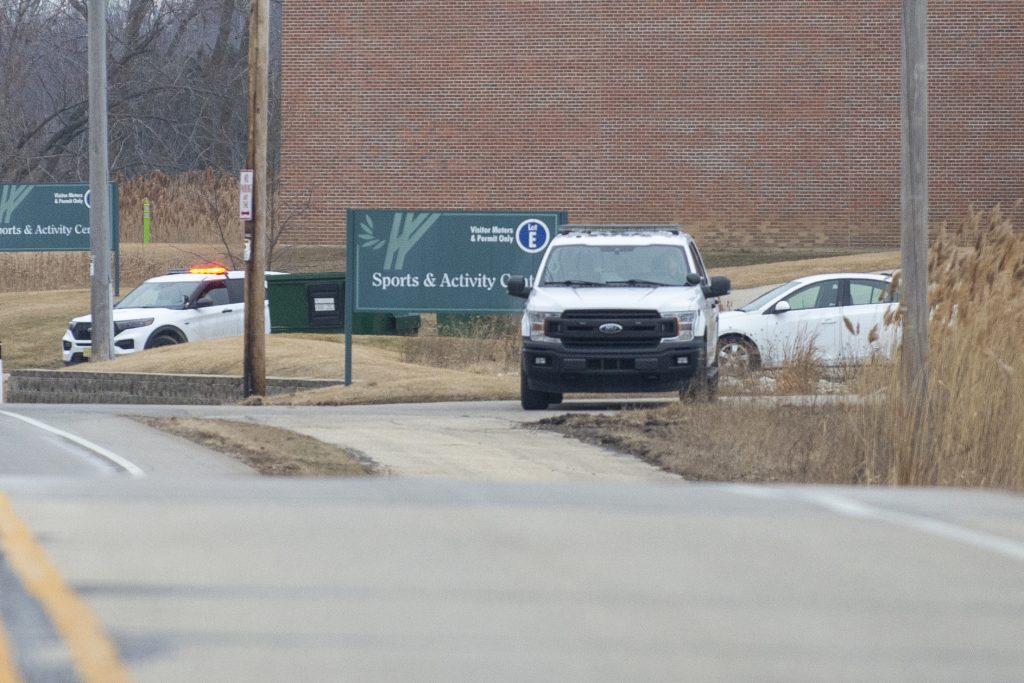
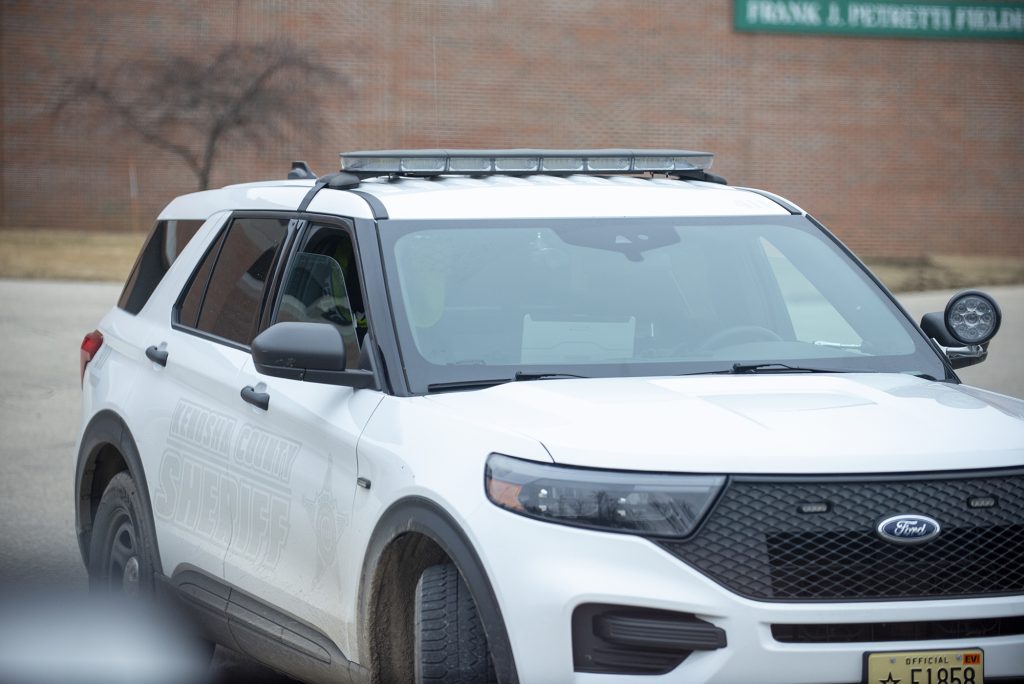
The threat prompted officers from multiple agencies to establish a command post, shut down campus entrances, cancel a sporting event, clear buildings, and deploy a drone to search wooded areas around campus. Students and visitors were ordered to evacuate or shelter in place.
The lockdown began shortly after 10 a.m. and was lifted around 1 p.m., when authorities announced there was no active threat.
(Photo by Kevin Mathewson, Kenosha County Eye)
Swatting is the act of making a false emergency report — often claiming an active shooter, bomb threat, or other imminent violence — in order to trigger a large police response. The term comes from sending a SWAT team under false pretenses. Swatting incidents are treated seriously because they can create panic, divert emergency resources, and in some cases lead to injuries during high-risk responses.
For dozens of athletes who had traveled to compete in a collegiate track and field meet, the hoax abruptly ended their day before events could begin.
(Photo by Kevin Mathewson, Kenosha County Eye)
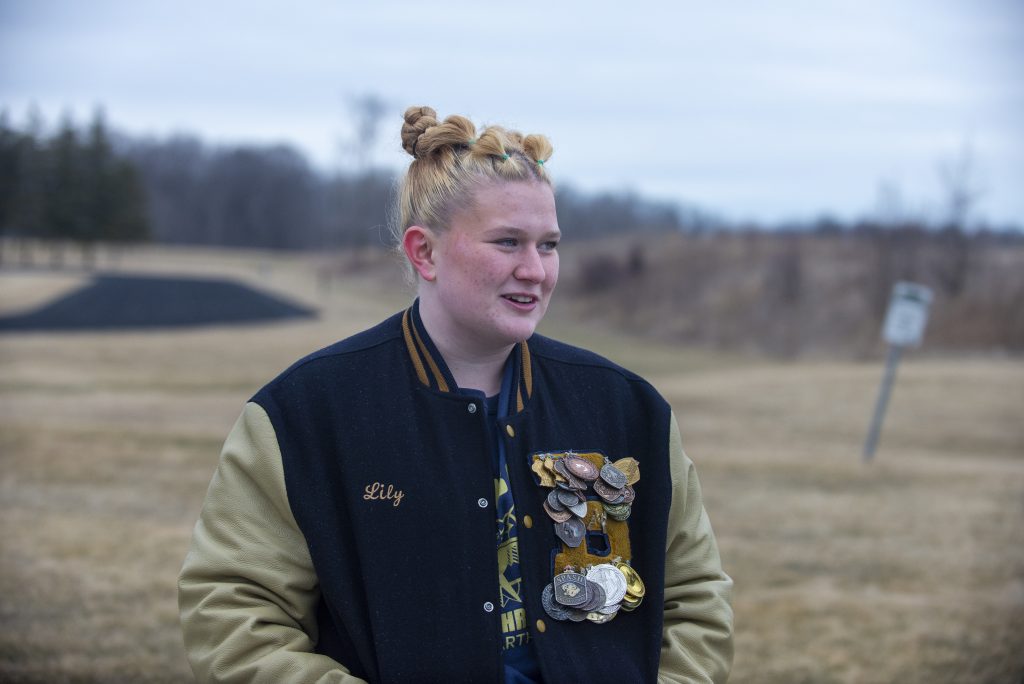
Lily Rogers, a 16-year-old junior from Baraboo High School, had driven roughly three hours to compete unattached in the meet. Rogers, who competes in shot put and discus and has received multiple full-ride scholarship offers, was seeded third and preparing to compete against college athletes for the first time.
“I got here at like 9 o’clock, and we were there for maybe an hour, and then we got told to leave,” Rogers said. “We got maybe three weight throws in, and then we got told to leave.”
She said an officer entered and instructed everyone to exit immediately.
“A cop came in and told us all to get out, and then we had to go stand outside for a little bit, and then he told us to leave the campus too,” Rogers said.
Between 100 and 200 people were inside at the time. Many parents had just arrived when the evacuation order was given.

(Photo by Kevin Mathewson, Kenosha County Eye)
“Everyone was like, didn’t know what was going on,” she said. “Not even any of the coaches knew what was going on.”
Athletes were told only that there had been a threat.
“We just got told to leave right away,” Rogers said. “No one knew what was going on.”
The meet was canceled.
“It wasn’t really what I expected out of it,” she said of her first planned collegiate-level competition.
When KCE explained to her the concept of what swatting was — calling in a false emergency to trigger a heavy police response — Rogers offered a blunt assessment.
“Bad,” she said. “Because, like, I don’t know, you ruined like 200 athletes’ day with a false thing.”
She added that if teams traveling from farther away had made the trip, the frustration would have been even greater.
“If they came all the way over here, I would have been mad that it was a false thing and that canceled the meet because of it,” Rogers said.
Authorities have not yet announced whether charges are pending, but swatting can carry serious felony penalties at both the state and federal levels, particularly when threats reference violence or prompt large-scale emergency mobilization.
For three hours, campus life halted over a threat that turned out to be fake — but for athletes like Rogers, the opportunity lost was real.