



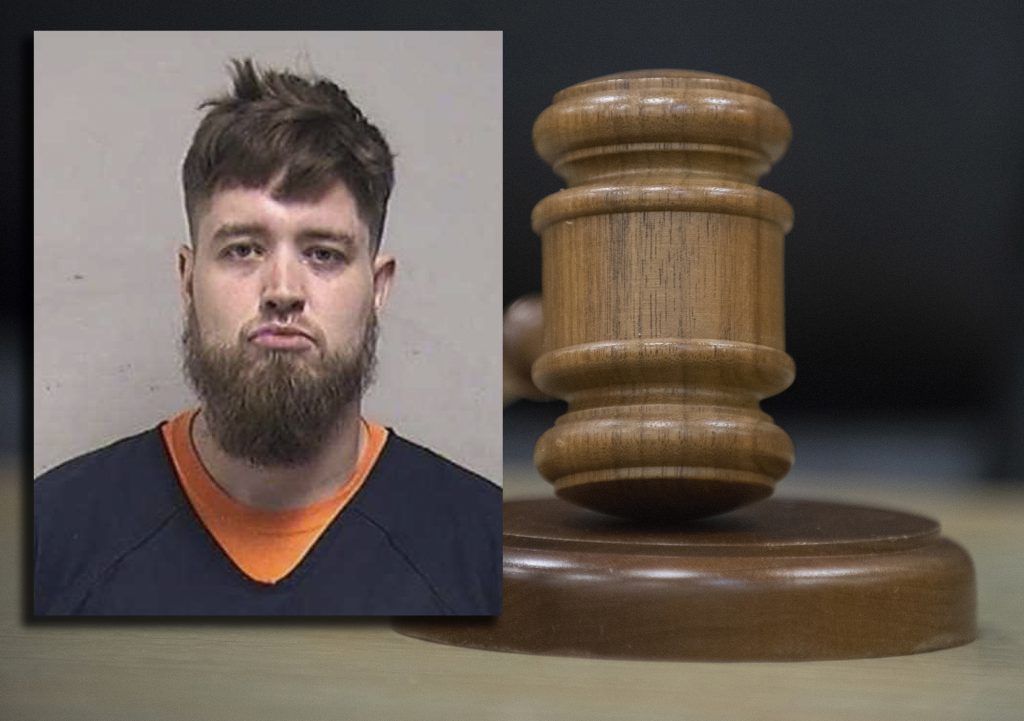
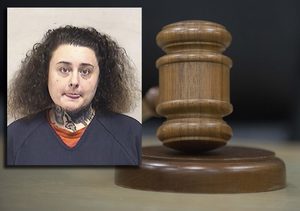
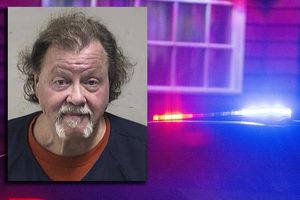
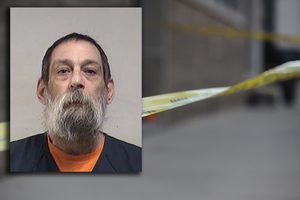
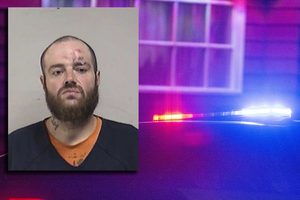
(Kenosha County Sheriff’s Office)
KENOSHA, Wis. — A criminal case that once accused a Salem man of causing the death of 23-year-old Dustin Hogan ended Tuesday with Anthony M. Kanabay receiving what amounts to a far lighter punishment than many expected after Judge Jodi L. Meier imposed a sentence that included just two years of prison and eligibility for programs that could further reduce the amount of time he actually serves.
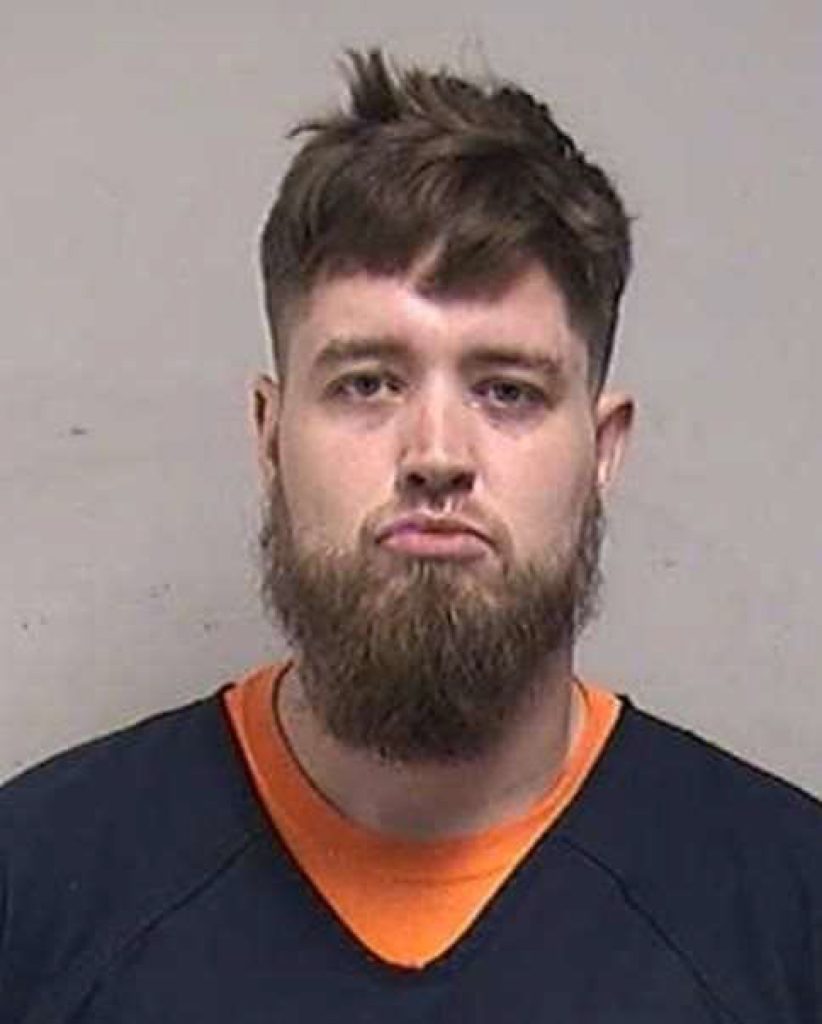
(Kenosha County Sheriff’s Office)
The outcome also represented a tougher result than one previously sought by former Deputy District Attorney Andrew Burgoyne.

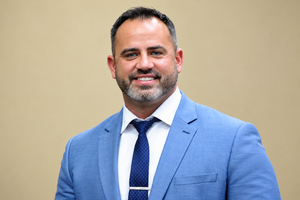
District Attorney Xavier Solis appeared in court last month and resolved the case by securing guilty pleas to two felony bail-jumping counts and one battery charge after felony murder and one felony bail-jumping charge were dismissed. Earlier in the case, Burgoyne had concluded he intended to dismiss not only the felony murder count but also the related felony bail-jumping charge tied to that allegation.
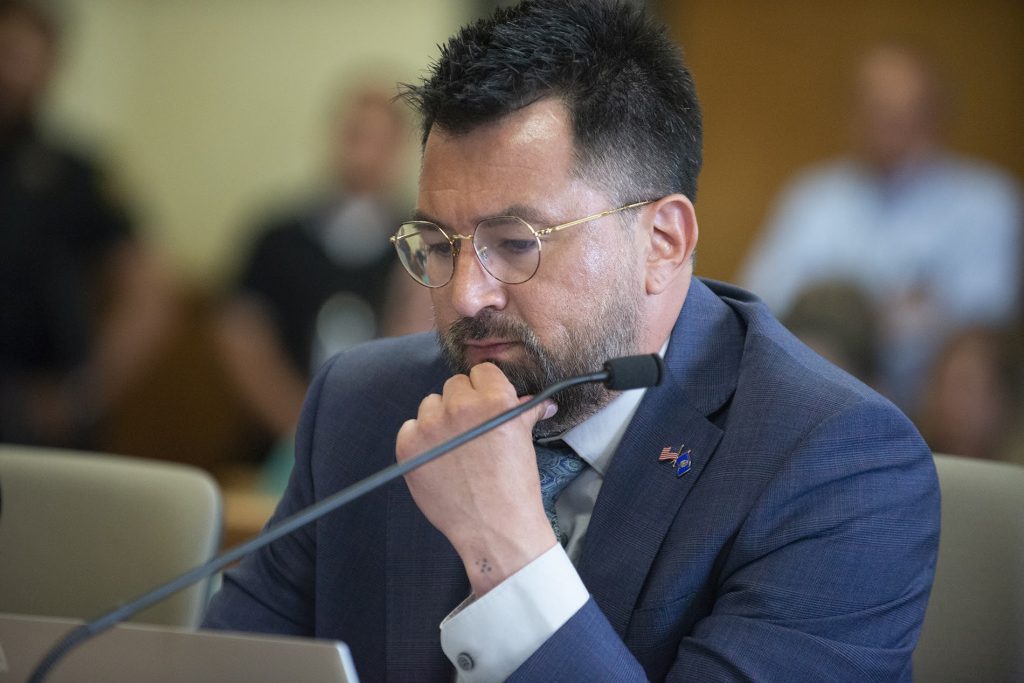
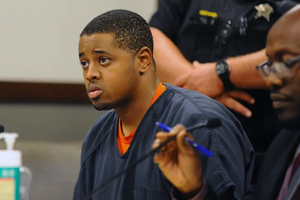
(File Photo by Kevin Mathewson, Kenosha County Eye)
Solis ultimately obtained an additional conviction beyond the earlier proposed resolution.
The case had become increasingly difficult for prosecutors as major issues developed in the evidence and investigation.
One of those problems involved Deputy Yacoub Museitif, the first deputy who responded to the original medical call involving Hogan. Internal disciplinary records state Museitif allegedly failed to relay critical information to supervisors and detectives that Hogan had been involved in a physical altercation before his medical emergency, failed to properly investigate the incident, failed to identify the victim at the scene, and later provided inaccurate information during the internal investigation. The disciplinary process ultimately ended with Museitif resigning rather than facing termination. The records also indicate he became Brady listed, meaning credibility issues involving truthfulness could potentially have become impeachment material if he testified.
That was only one challenge.
Former Deputy District Attorney Andrew Burgoyne also disclosed a major causation issue that significantly weakened the original homicide theory. Burgoyne wrote that the medical examiner could not rule out another later head impact — one allegedly occurring after Kanabay’s altercation with Hogan — as independently causing Hogan’s death. Burgoyne stated he believed he was ethically obligated to dismiss the homicide count because he did not believe the state could prove beyond a reasonable doubt that Kanabay’s conduct was a substantial factor in Hogan’s death.
The case drew frustration from Hogan’s family, who had previously written to the court describing repeated disruptions and changes in handling of the prosecution.
At Tuesday’s hearing, Solis appeared for the state while Kanabay appeared in custody. A victim statement was given before sentencing arguments.
Judge Meier imposed a six-year prison sentence on one felony bail-jumping count consisting of three years prison and three years extended supervision, but stayed that sentence and instead placed Kanabay on probation for three years on that charge.
On the remaining felony bail-jumping conviction, Meier imposed five years consisting of two years in prison and three years extended supervision. On the battery conviction, she imposed nine months in the Kenosha County Jail. The sentences were ordered consecutive to one another and consecutive to another case.
Kanabay also received eligibility for both the Challenge Incarceration Program and Substance Abuse Program.
Those programs can substantially reduce actual incarceration time if successfully completed, meaning the amount of prison time ultimately served could end up being significantly less than the sentence imposed Tuesday.
For the charges to which Kanabay pleaded guilty, Kanabay faced approximately 15 years and 9 months in prison, plus fines, if convicted and sentenced to the maximum penalties.
A case that began with allegations surrounding a young man’s death and originally carried a felony murder charge ultimately ended with a sentence that could result in relatively little prison time despite the seriousness of the original allegations.









18 Responses
The outcome and coverage of this case should remind everyone that real life isn’t like Law & Order, but more like My Cousin Vinny.
SMH…. I have no words!
If one looks at this defendant’s record, he’s a guaranteed repeat jail customer. He’ll likely have a jolly time with probation and attempt obsconding based on his prior behavior. Congratulations to Solis for nullifying the weak ex-ADA Burgoyne in this case, even though the defendant’s 15+ year Bighouse reservation got cancelled.
He did not commit the Crime. And because you “read” some court cases, he’s Guaranteed to go back in?
Dude is a shitbird, who will absolutely end up back in the system.
Dude is a shitbird, who will absolutely end up back in the system.
Based on his prior behavior. His web history shows total contempt for the law, including, among other anti-LE references, a video showing his 2 year old how to outrun police. Regarding the mishandled death and the resulting legal/technical roadblocks caused by the foreign named officer who was allowed to resign in lieu of being ashcanned, the defendant’s long jail stay caused by multiple public defenders and the prior weak Democrat DA, may well have served some small measure of compensating justice for the victim and his family.
First of all that 2 year old you’re talking about is my nephew, now 9 years old that you have no right to talk about. He’s the sweetest boy I’ve ever met and has a great family supporting him. Second, the victim was anthony’s best friend at the time. Despite the fact anthony wasn’t the person who shoved dusty into the corner of a table, the real person behind bars should be the man suppling the drugs.
Lol yeah okay
Yeah good response, same intelligence as a 3 year old. Commenting anonymously because you have no self respect. Go back and type some more comments you absolute loser.
I remember Anthony calling me telling me he thinks he’s the reason Dusty might die and was in the hospital. He told me himself he punch him to hard in the head lol. He def killed Dusty. I even saw him fight him in the pass for no reason at all he’d be drunk and start throwing Dusty around
We’re you there when this tragedy happened, since you are so sure you know what happened and what did not take place? And if you were, why didn’t you bother to call 911?
Are you kidding me!!! November will be 3 years in, part of that time was already in PRISON.
Former DA resigned because of this case. The handling of this case has been a joke from the beginning.
So, you’re saying he’s going to serve six more months?
Hopefully the judge is done sacrificing innocent people’s freedom so no one will think she’s not “tough” on crime. Apparently guilt/innocence and real justice for victims is irrelevant to her. Please don’t write any more articles about her corruption because innocent people’s freedoms will be taken by her so she can “prove” she belongs on the bench. Apparently, she’s weak, intimidated and swayed by mean words. She is the opposite of who we need on the bench.
How is this the Judges fault that investigation was fucked up and the DA could not prove murder.
I’m so confused… how did he die ??
What’s wrong with his face?